
The Ministry of Lands and Natural Resources has issued a press release to clarify public speculation and reports suggesting that the Government of Ghana revoked the mining leases of Adamus Resources Limited to sell the company or its assets to another investor.
The official communication firmly rejects these rumors, stating categorically that the state’s intent is not to monetize or transfer the mining properties to a new owner.
Instead, the regulatory decision stems from independent evaluations conducted by state mining regulators, which uncovered significant non-compliance issues within the company’s operational framework.
“The Ministry wishes to state categorically that the revocation of the mining leases is not a decision to sell Adamus Resources Limited or its mining assets.”
The Ministry of Lands and Natural Resources
Expanding on this position, the Ministry reiterated that the revocation of the mineral rights was an administrative enforcement measure rather than a commercial maneuver.

Regulatory oversights and investigations revealed that Adamus Resources Limited engaged in systemic operational defaults, legal infractions, and statutory non-compliance.
The state emphasized that enforcing statutory rules is necessary to maintain environmental safety, legal compliance, and technical standards across Ghana’s extractive sector.
Legal and Regulatory Breaches
The Minerals Commission, following a thorough technical review of the company’s field activities, documented multiple regulatory non-compliances.
Primary among these was the establishment that Adamus Resources Limited had carried out mining activities outside its approved and permitted boundaries.
The company failed to obtain the required Operating Permit from the Chief Inspector of Mines before expanding its physical footprint, directly violating Regulation 200(1)(b) of the Minerals and Mining (Health, Safety and Technical) Regulations.
Under national mining laws, operators are strictly prohibited from conducting extraction outside state-demarcated concession areas without explicit written approvals.
Additionally, the regulatory body uncovered broader operational and statutory defaults that undermined the national framework established to guarantee responsible mining.
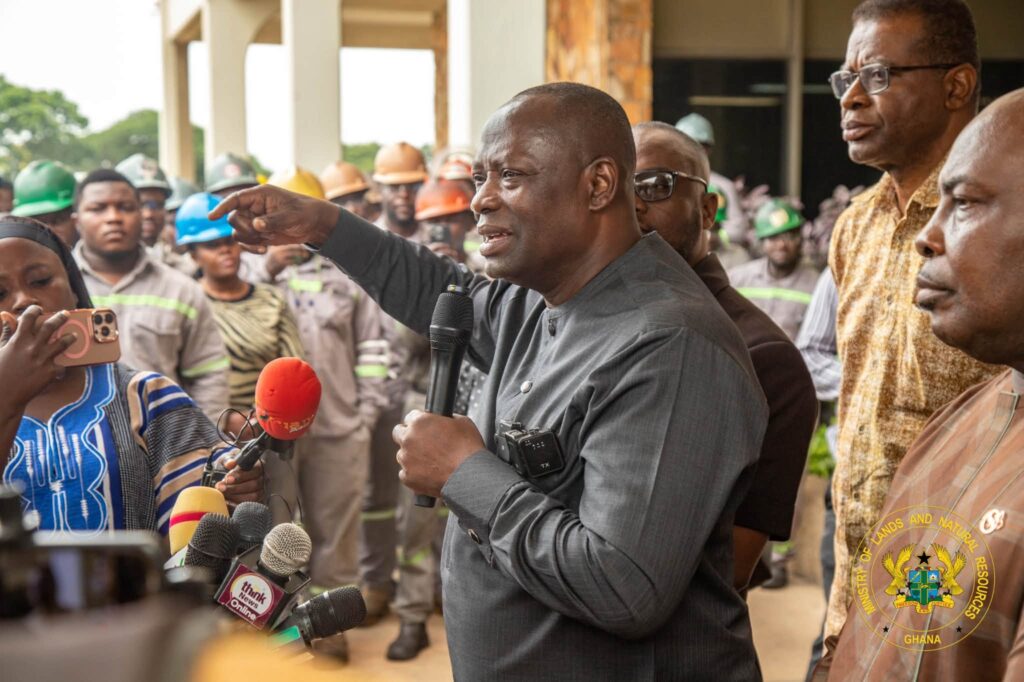
The state noted that allowing unauthorized extraction jeopardizes safety standards and compromises environmental oversight.
Exercising statutory powers, the Minister for Lands and Natural Resources approved the revocation under Section 5(1) of the Minerals and Mining Act, 2006 (Act 703) based on the formal recommendations submitted by the Minerals Commission.
Extractive Sector Integrity and Financial Obligations
Maintaining regulatory oversight in the extractive industry requires strict enforcement of both operational guidelines and fiscal responsibilities.
Beyond physical boundary violations, the Minerals Commission identified unresolved financial defaults and outstanding statutory obligations tied to the company’s mining operations.
The Ministry stressed that holding mineral rights in Ghana carries strict obligations, requiring full adherence to financial commitments alongside technical safety measures.
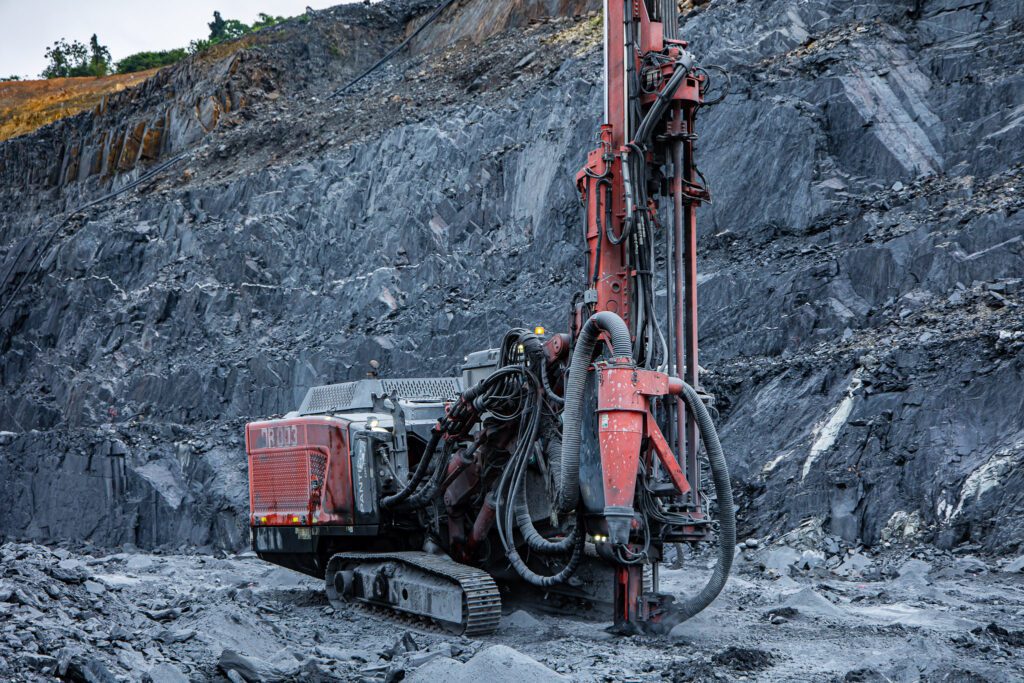
The enforcement action signals to players in the mining industry that operational permits and state-granted concessions remain contingent on continuous lawfulness.
By enforcing lease revocations without putting the affected assets up for private acquisition, the Ministry aims to protect public interest, uphold statutory standards, and prevent unauthorized exploitation within designated mineral zones.
Need to Revoke the Lease
The decision to revoke the mining leases became imperative to protect the integrity of Ghana’s mining governance framework and prevent illegal operational practices.

Unpermitted extractions beyond concession limits create severe legal risks and impede the state’s ability to ensure environmental protection, worker safety, and accurate resource accounting. Allowing unauthorized mining to persist without regulatory penalties would set a damaging precedent for the broader extractive sector.
Furthermore, the persistent failure to meet statutory obligations and adhere to technical rules left state regulators with no alternative option under Act 703.
Actively stepping in through administrative revocation enables the state to halt non-compliant operations, enforce statutory accountability, and safeguard mineral resources in strict accordance with the law.
READ ALSO: Burnham Weighs Disposable Barbecue Ban as Wildfire Risk Grows