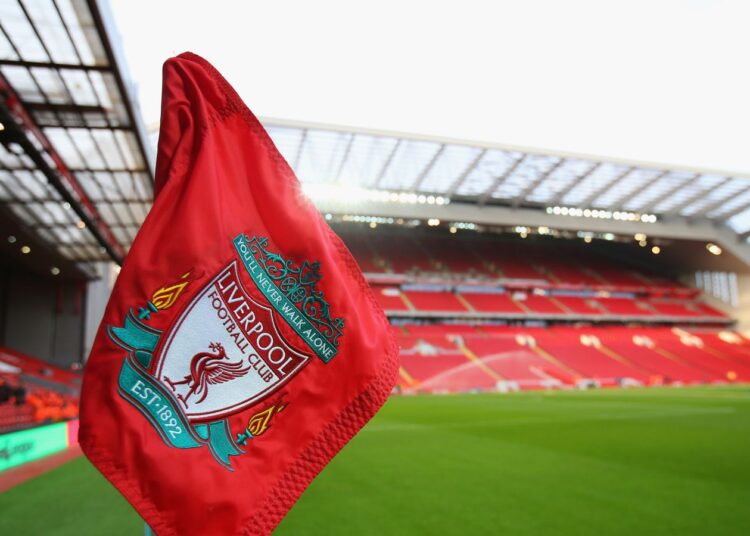
Fenway Sports Group (FSG) has agreed to sell a 30% minority stake in Liverpool to 1892 Holdings, a consortium led by businessman Amit Bhatia, in a deal worth around £1.65 billion.
The transaction values Liverpool at approximately £5.5 billion and will see Bhatia become the club’s new vice-chairman, bringing a new group of high-profile international investors into the ownership structure at Anfield.
Amazon founder Jeff Bezos is among the investors in the consortium through K5 Sports, while Facebook co-founder Eduardo Saverin is also involved through his family office. Bryan Baum, who represents Bezos, and Elaine Saverin will join Liverpool’s board alongside Bhatia. Bezos himself will not take a board seat.
FSG will remain Liverpool’s majority owner and retain operational control of the club. The day-to-day running of the football operation is therefore expected to continue largely unchanged, with the agreement still subject to approval from the Independent Football Regulator and the Premier League’s Owners’ and Directors’ Test.
The deal represents another remarkable increase in Liverpool’s value under FSG. The American group, then operating as New England Sports Ventures, completed its acquisition of the club on October 15, 2010, paying £300 million and eliminating the acquisition debt left by previous owners Tom Hicks and George Gillett.
FSG inherited a club facing serious financial difficulties but oversaw a transformation that has included two Premier League titles, a Champions League triumph and major investment in Anfield and the club’s training infrastructure. Liverpool’s revenues have also grown substantially during its ownership.
Why FSG Is Bringing in New Investment
For FSG, the agreement offers an opportunity to realise significant value from part of an asset whose worth has increased substantially while retaining control of the club.
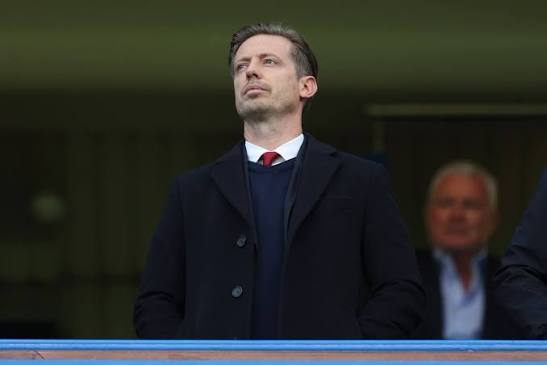
Mike Gordon, FSG’s president, stressed that the decision was consistent with the group’s long-term approach to Liverpool. “Liverpool has always been built by thinking beyond one season and making decisions with the club’s long-term interests in mind,” Gordon said.
He added that the consortium’s philosophy and appreciation of Liverpool’s identity made it a suitable partner, saying its “experience and perspective will complement the strong foundation already in place.”
That distinction matters because this is not a conventional takeover and does not represent FSG walking away from Liverpool. Instead, the American owners gain a substantial capital injection while bringing investors with considerable experience in global business, technology and international markets into the club’s ownership structure.
For 1892 Holdings, meanwhile, the investment provides access to one of the world’s most valuable and commercially powerful football brands without having to assume full ownership.
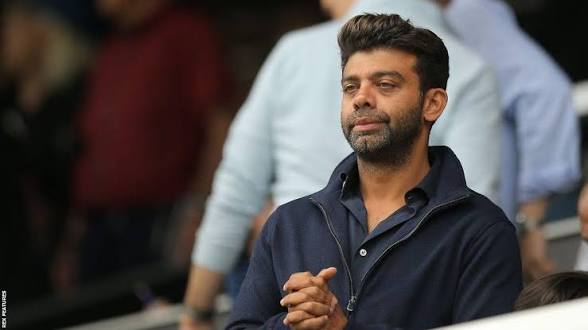
Bhatia, who previously had links to Queens Park Rangers, said the consortium was investing because it believed strongly in Liverpool’s leadership and future. “To be welcomed as a partner in a club of this stature is a huge privilege,” he said, adding that the group wanted to support Liverpool’s “continued success for years to come.”
Sporting Implications Extend Beyond the Balance Sheet
The immediate sporting implications are unlikely to be dramatic. The transaction is not expected to trigger a sudden increase in Liverpool’s transfer spending, particularly because the club already operates within Premier League financial regulations and has established itself as a commercially powerful institution.
The longer-term possibilities are more significant.
Bhatia’s arrival, combined with the global commercial reach of investors connected to Bezos and Saverin, could help Liverpool expand further in markets such as Asia particularly in India.
Greater commercial growth could ultimately provide additional resources for recruitment, infrastructure, academy development and the women’s team.
There is also a potential sporting benefit in bringing investors with expertise outside traditional football ownership. Technology, global marketing and international commercial networks could help Liverpool strengthen the revenue streams that underpin their ability to compete with Europe’s wealthiest clubs.
However, supporters will understandably judge the deal by what happens on the pitch rather than by the size of the investment.
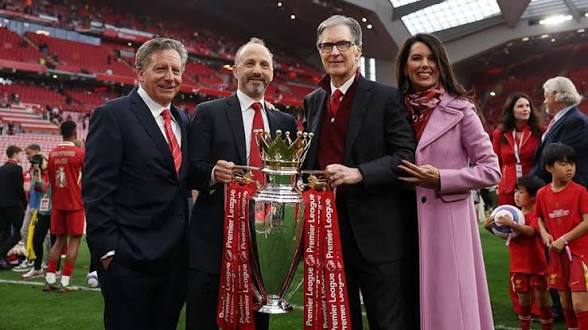
FSG’s record demonstrates that infrastructure and commercial growth can underpin sporting success, but Liverpool’s challenge now is maintaining that model while ensuring the club remains competitive at the highest level.
The deal therefore gives both sides something valuable: FSG retains control while unlocking part of Liverpool’s extraordinary increase in value, while 1892 Holdings gains a significant foothold in one of football’s biggest institutions.
The real test will be whether that partnership can translate its financial and commercial strength into sustained sporting success at Anfield.
READ ALSO: Mining Companies Obliged to Community Development Under Newly Proposed Framework