
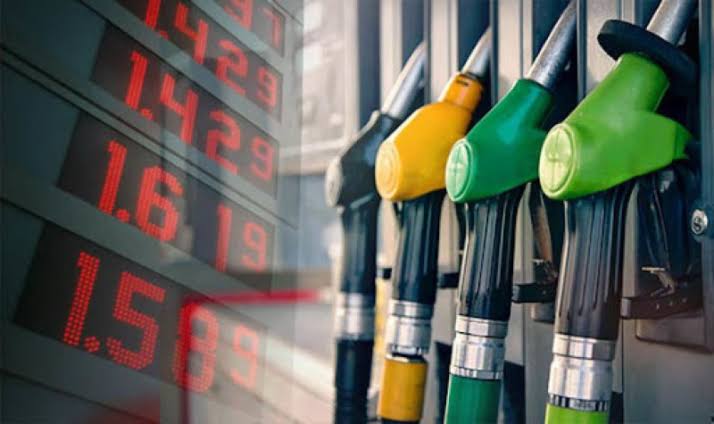
Ghana’s fuel market is showing mixed signals after the National Petroleum Authority (NPA) reduced the benchmark price floors for petrol and liquefied petroleum gas (LPG) for the second pricing window of August 2026, while diesel recorded a slight increase.
The new minimum ex-pump floors set petrol at GH¢13.92 per litre, down from the previous benchmark, while LPG was reduced to GH¢10.98 per kilogram.
Diesel, however, edged up to GH¢15.19 per litre, indicating that cost pressures in the commercial and transport fuel segment have not fully eased.
A partial reprieve, not a broad fuel reversal
The reduction in petrol and LPG is likely to be welcomed by private motorists and households that rely on cooking gas, especially after several months of elevated petroleum costs.
The diesel adjustment, however, is the more important signal for the wider economy.
Diesel is the dominant fuel for commercial transport, mining, construction, agriculture, manufacturing and backup power generation.
Even a modest increase can feed into logistics, production and distribution costs across multiple sectors.
The mixed outcome suggests that while some international product prices may have softened, the cost structure affecting diesel remains under pressure.
Energy analysts
Why pump prices may still differ
The NPA emphasised that the published figures are minimum ex-pump price floors, not fixed national retail prices.
Actual pump prices may vary because oil marketing companies can apply additional charges, including trading premiums, bulk-distribution costs and dealer margins, in line with the Petroleum Product Pricing Guidelines.
This distinction is important because consumers often expect all stations to sell at the announced floor price, whereas the floor represents the minimum benchmark below which retailers are not permitted to sell during the pricing window.
What is driving the different movements?
The divergence between petrol and diesel reflects the fact that the two products do not always move in tandem on international markets.
Global diesel markets are influenced not only by crude oil prices but also by refinery yields, industrial demand, shipping activity and regional supply conditions.
Petrol, by contrast, is often more closely linked to transportation demand and seasonal consumption patterns.
The latest adjustments therefore point to a situation in which household fuel pressure is easing somewhat, while business fuel pressure remains elevated.
The inflation question has not gone away
From a macroeconomic perspective, the diesel increase matters more than the petrol reduction.
Lower petrol prices can improve consumer sentiment, but higher diesel costs have a stronger tendency to pass through to food transport, freight, manufacturing and service-sector pricing.
That means the latest NPA window may provide targeted relief rather than a broad disinflationary signal.
If diesel remains firm in subsequent pricing windows, transport operators and businesses may continue to face pressure despite the reduction in petrol and LPG benchmarks.
A test for Ghana’s refining ambitions
The adjustment also highlights a broader structural issue.
Ghana is expanding domestic refining capacity through the revival of the Tema Oil Refinery and the growth of private refining operations, yet local fuel pricing remains closely tied to international product markets and exchange-rate movements.
The latest window reinforces the view that domestic refining can improve supply resilience and reduce some import-related costs, but it does not automatically insulate the market from global price dynamics.
A more nuanced market signal
The new pricing window should therefore be read as a selective easing of fuel pressure rather than a decisive downward turn in the petroleum market.
For households, the reduction in LPG is particularly significant because cooking gas has become an increasingly important component of urban energy expenditure.

For businesses, the slight rise in diesel is a reminder that the cost environment remains challenging.
The overall message from the latest NPA adjustment is that Ghana’s fuel market is entering a more nuanced phase: consumers may see relief at the pump for petrol and LPG, but the economy’s most important commercial fuel is still moving in the opposite direction.