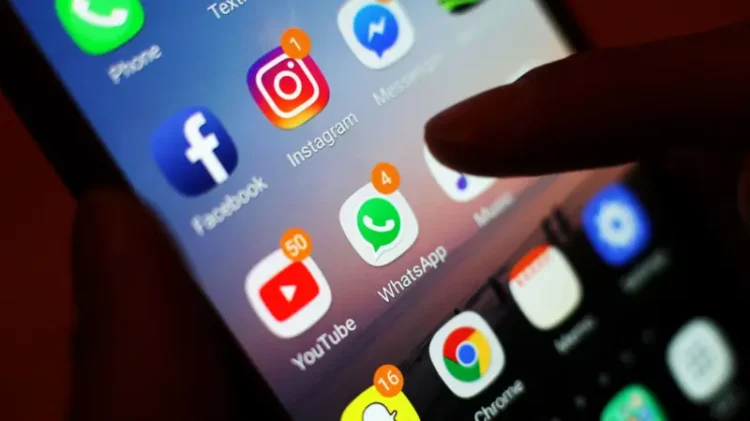
France’s Constitutional Council has struck down legislation that would have banned children under the age of 15 from accessing social media, ruling that the measure placed disproportionate restrictions on freedom of expression and communication.
The country’s highest constitutional authority said that the proposed ban pursued a legitimate objective of protecting children from potential harms associated with social media but failed to strike an appropriate balance between that goal and fundamental rights.
Its decision effectively prevents the legislation from taking effect in its proposed form, dealing a setback to President Emmanuel Macron’s efforts to introduce one of Europe’s toughest restrictions on children’s access to social media.
In its ruling, the Constitutional Council said the provisions “disproportionately infringe freedom of expression and communication” and did not provide sufficient legal safeguards to protect those rights. The council also questioned whether a blanket prohibition could properly account for differences between individual minors and the varying risks posed by different social media platforms.
The decision centred on two main concerns. First, the council found that the proposed restriction was too broad because it would apply generally to minors under 15 without sufficiently considering their individual circumstances or the nature of the platforms they sought to access. Second, the council raised concerns about privacy and age verification. Because the proposed system would require users to establish their age before accessing social media, the legislation could effectively require adults to prove that they were old enough to use platforms that are generally available to them.
The council said that the objective of protecting children was legitimate but concluded that the proposed legislation “infringes freedom of expression and communication in a manner that is not appropriate, necessary or proportionate” to achieving that objective.
The ruling comes after French lawmakers approved the legislation in both chambers of Parliament last month. The measure would have made France the first country in the European Union to impose a blanket ban on social media access for children under 15.
The legislation was part of a wider political response to growing concerns over the impact of social media and digital content on young people. Supporters of the measure have argued that children can be exposed to harmful material, online harassment, addictive platform features and other risks at an age when they may be particularly vulnerable to their effects. The bill also included restrictions on mobile phone use in high schools, reflecting the French government’s broader effort to limit the influence of digital devices in educational settings.
Macron had hoped the social media restrictions would come into force at the beginning of the new school year in September. However, the legislation was submitted to constitutional review before it could take effect, allowing the Constitutional Council to assess whether the provisions were compatible with France’s constitutional protections.The court’s decision now means the government will have to reconsider how it seeks to regulate children’s access to social media without violating constitutional rights.
Macron Instructs Prime Minister To Work On Revised Proposal
Responding to the ruling, Macron said that he remained committed to protecting children from the potential dangers of social media and instructed Prime Minister Sébastien Lecornu to begin work on a revised proposal.
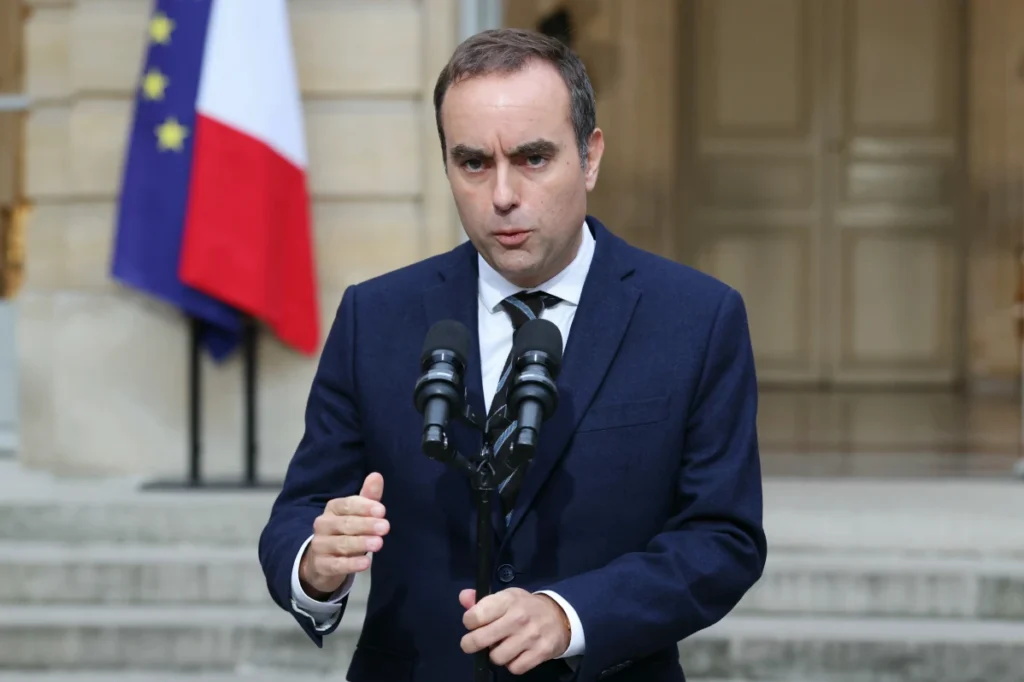
Macron said that he had tasked Lecornu “with working as quickly as possible on a legally robust proposal that takes into account the decision of the Constitutional Council as well as the European legal framework.” He added that the government and Parliament would need to determine the appropriate mechanisms to achieve the objective of protecting children during the remainder of the current presidential term.
The ruling highlights the challenge facing governments attempting to regulate social media while also protecting fundamental freedoms. France’s approach has attracted international attention as countries increasingly debate whether existing laws are sufficient to protect children from online risks.
The Constitutional Council’s decision does not prevent France from pursuing further restrictions on children’s access to social media. Instead, it requires lawmakers to design measures that are more carefully tailored to the risks they seek to address and that provide stronger safeguards for freedom of expression, communication and privacy.
For Macron’s government, the ruling therefore represents both a legal setback and a requirement to rethink its strategy. Rather than abandoning its effort to regulate children’s social media use, the French president has signalled that the government will return to Parliament with a revised framework.
The debate is likely to continue as France attempts to reconcile child protection with constitutional rights. While policymakers have increasingly called for stronger safeguards for young users, the court’s ruling makes clear that any future restrictions must meet the country’s constitutional standards and respect the broader legal framework governing individual freedoms.
READ ALSO: North Korea Warns Of New Deterrent Over US-South Korea Drills