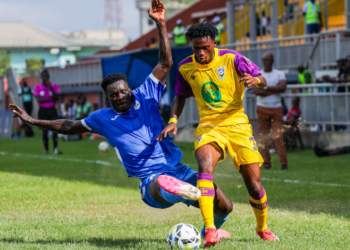
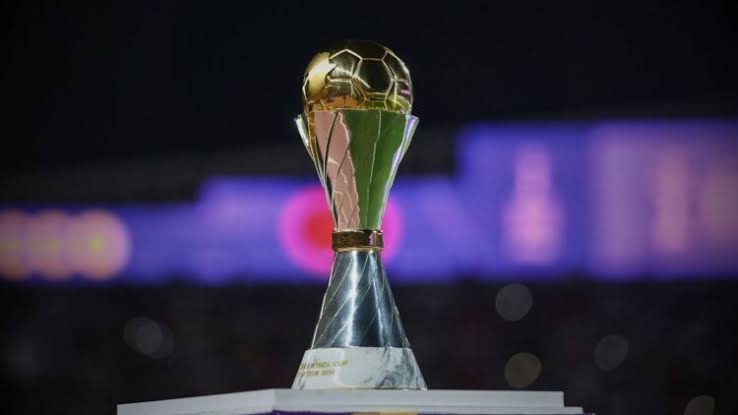
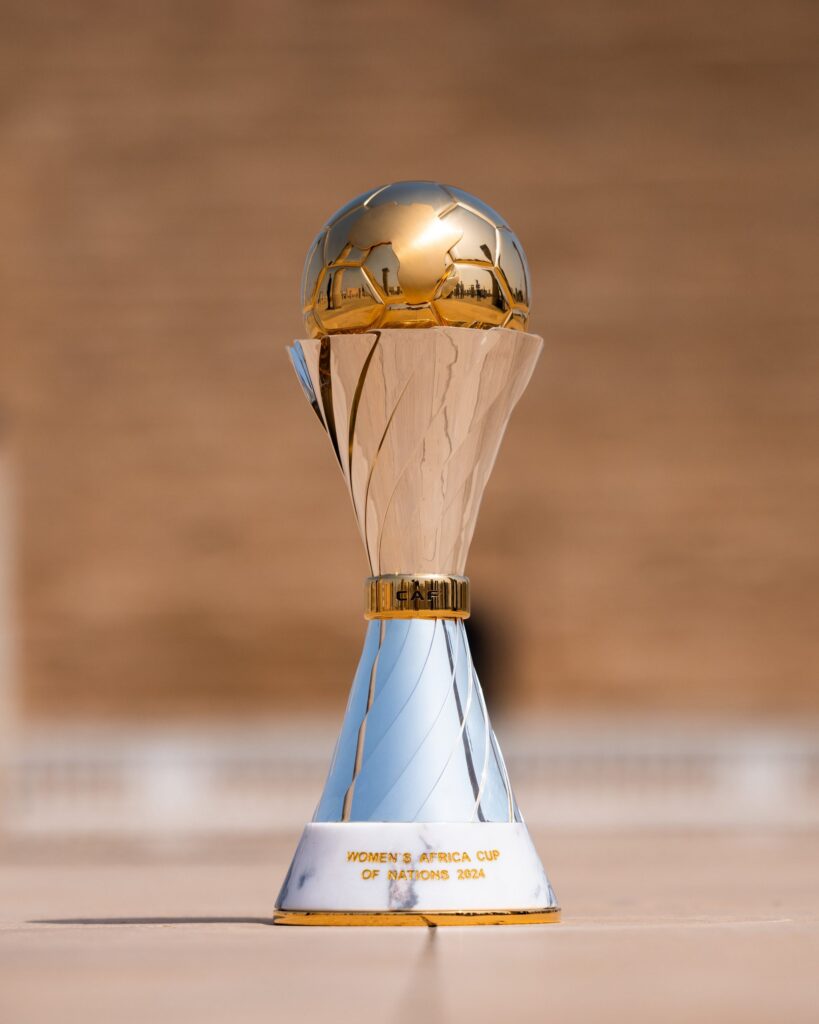
A new name will be etched into the history of African women’s football today when Malawi and Cameroon meet in the final of the Women’s Africa Cup of Nations in Morocco on Sunday at 7pm. For the first time since the competition’s inception, neither finalist has previously lifted the continental crown, guaranteeing a first-time champion.
The final, set to be played at the Stade Moulay El Hassan in Rabat, represents a remarkable transformation of Malawi’s football story. The Scorchers arrived in Morocco as WAFCON debutants, but have gone from newcomers to finalists after producing one of the tournament’s biggest surprises.
They defeated Ghana 2-1 in the quarter-finals before overcoming Algeria 3-1 in the semi-finals to secure a place in the final and qualify for their first-ever FIFA Women’s World Cup.
Their journey has been driven in large part by the Chawinga sisters, Temwa and Tabitha, whose attacking quality has given Malawi a cutting edge throughout the tournament. The sisters have altogether scored 9 out of Malawi’s 12 goals at the tournament.
The Scorchers have combined individual brilliance with the fearlessness of a team that has had little to lose, and that mentality has carried them further than anyone expected before the competition began.
Malawi’s achievement is even more significant because it has come at the expense of established African powers. Their run has helped reshape the continent’s football hierarchy, with the Scorchers qualifying for the 2027 FIFA Women’s World Cup in Brazil while several traditional heavyweights have been forced into a much more difficult route to the global tournament.

Nigeria, the defending champions and Africa’s most successful women’s football nation, will not be at the World Cup after failing to reach the WAFCON semi-finals and also losing to South Africa in the World Cup playoff.
Their elimination brings an end to the Super Falcons’ remarkable run of nine consecutive World Cup appearances, a stunning setback for a side that has dominated the continent for decades.
Ghana and South Africa have also been denied automatic qualification and must now navigate the additional qualification route for Brazil 2027. Ghana’s quarter-final defeat to Malawi was particularly painful, while South Africa were eliminated by hosts Morocco. Both remain alive, but their road to the World Cup is now considerably longer.
A New Champion Awaits
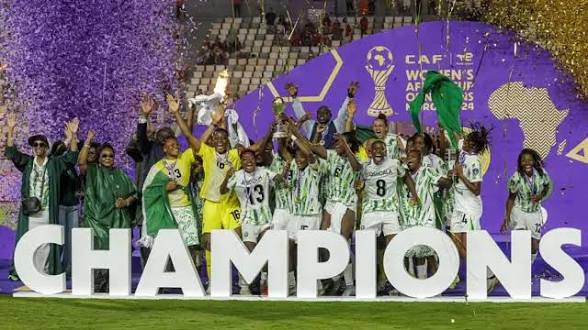
The stakes in Rabat extend beyond the trophy. Malawi or Cameroon will become only the fourth nation to win the WAFCON, joining an exclusive group consisting of Nigeria, Equatorial Guinea and South Africa. Nigeria have won the competition a record 10 times, Equatorial Guinea have two titles, while South Africa claimed their maiden crown in 2022.
Cameroon, however, will enter the final with the experience of having been here before. The Indomitable Lionesses are appearing in their fourth WAFCON final and are still searching for their first title.
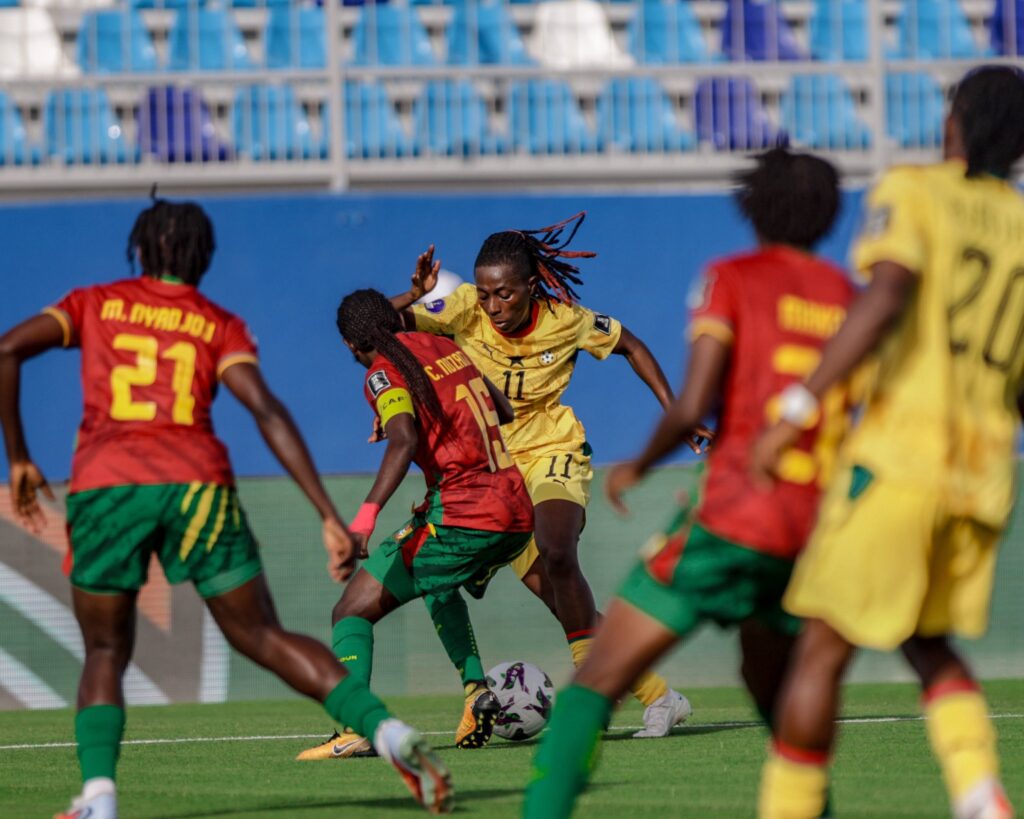
They return to the championship deciding match after defeating defending champions Nigeria in the quarter-finals and then eliminating hosts Morocco on penalties in the semi-finals. The Indomitable Lionesses will count on forward Marie Ngah who has found the back of the net three times en route to the final.
That experience could prove crucial. Cameroon know the pressure of a final and will be determined to avoid another near miss. Their route to the decider has also demonstrated their resilience, particularly in the dramatic penalty shootout against Morocco.
Malawi, by contrast, have nothing to fear. Their entire campaign has already surpassed expectations, and their qualification for the World Cup means they have achieved the minimum historic objective they could have imagined before arriving in Morocco. Now they have an opportunity to complete the greatest chapter in their history by winning the trophy on debut.
History Beckons in Rabat
Malawi became the first debutant in the history of the competition to reach the final..
That makes today’s final even more remarkable. One side is chasing a maiden title after repeatedly falling short, while the other is attempting to complete a fairytale debut with the biggest prize in African women’s football.
Whatever happens in Rabat, the 2026 WAFCON has already delivered a fundamental shift in the African women’s game. Malawi have qualified for their first World Cup, Nigeria’s unprecedented qualification streak has ended, and Ghana and South Africa face a more complicated road to Brazil.
But history is still waiting to be completed. By the final whistle, either Malawi or Cameroon will have joined Nigeria, Equatorial Guinea and South Africa as African champions.
A new era begins today.
READ ALSO: MIIF Advances Steps to Counter Mining Sector Cyber Threats