

The Premier League returns today, Friday August 21, with the 2026/27 season officially getting underway, as defending champions Arsenal host newly promoted Coventry City at the Emirates Stadium in the opening fixture.
The match, scheduled for 8pm BST, marks the beginning of another 380-match campaign and the first test of several changes designed to improve the pace, discipline and officiating of the competition.
Arsenal enter the new season as champions and will be looking to retain their crown, while Coventry, Ipswich Town and Hull City begin life in the top flight after winning promotion from the Championship. They replace relegated Wolverhampton Wanderers, Burnley and West Ham United.

The opening round will continue on Saturday before Sunday’s fixtures, with the matchweek concluding on Monday when Fulham host Chelsea. Manchester City will face Bournemouth, Newcastle United will take on Liverpool, while Manchester United begin their campaign away to Hull City.
Beyond the return of familiar rivalries and the arrival of three new clubs, the 2026/27 campaign will introduce a number of changes to how matches are played and officiated.
Most notably, several amendments to the Laws of the Game approved by the International Football Association Board (IFAB) will now be applied in the Premier League.
The changes are largely aimed at reducing time-wasting, limiting unnecessary disruption and improving the handling of certain incidents.
Some were already seen during the 2026 FIFA World Cup, but their arrival in the Premier League will give them a much bigger weekly stage.
Faster Restarts To Take Centre Stage
One of the most visible changes will come at throw-ins and goal kicks. When referees determine that a team is deliberately delaying either restart, they can whistle and begin a visual five-second countdown.
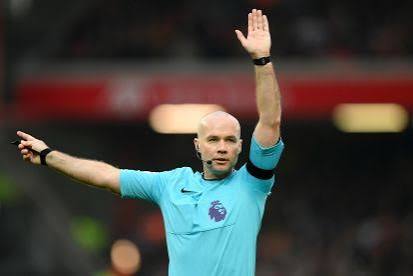
If the throw-in is not taken before the countdown expires, possession is awarded to the opposition. At a goal kick, the punishment is more severe as the opposition receives a corner.
Substitutions will also become more tightly controlled. A player leaving the pitch now has 10 seconds to make their exit. If they fail to do so, the incoming substitute cannot enter until the next stoppage after one minute has elapsed.
The measure is intended to stop players from deliberately taking excessive time when being replaced.
There is also a new approach to injuries. Players who receive treatment or assessment on the field, with certain exceptions, will have to leave the pitch and remain off it for at least one minute after play restarts. Previously, the Premier League used a 30-second period.
Exceptions are made for instances where the opposition player who caused the injury is booked. In such cases, the player who received the treatment might not need to go off the field for the required one minute.
Also, a new trial in English football is specifically targeting goalkeepers who deliberately go down injured to create tactical timeouts.
If play is stopped because of a goalkeeper injury and the incident does not fall under certain exceptions, the manager must nominate an outfield player to leave the pitch for at least one minute after the restart.
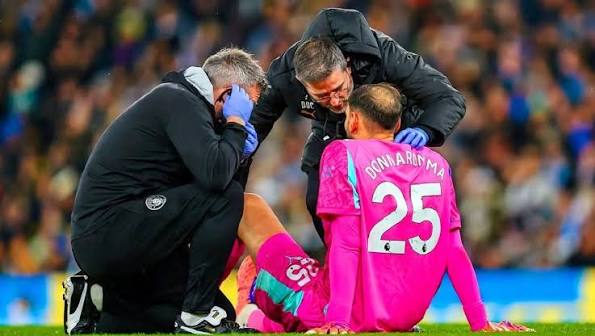
The measure is designed to prevent goalkeepers from using apparent injuries to slow the game, disrupt the opposition’s momentum or allow teammates to receive tactical instructions from the technical area.
It means a goalkeeper faking or exaggerating an injury could now leave his own team temporarily playing with 10 men, making the tactic far less attractive.
Stricter Treatment of Holding And Goalkeeper Challenges
Set pieces could also look different. The Premier League has instructed referees to place greater emphasis on clear holding offences, particularly when defenders are focused on restraining an opponent rather than playing the ball.
Challenges on goalkeepers will also receive closer attention when an attacker deliberately makes contact that affects the goalkeeper’s ability to play or challenge for the ball.
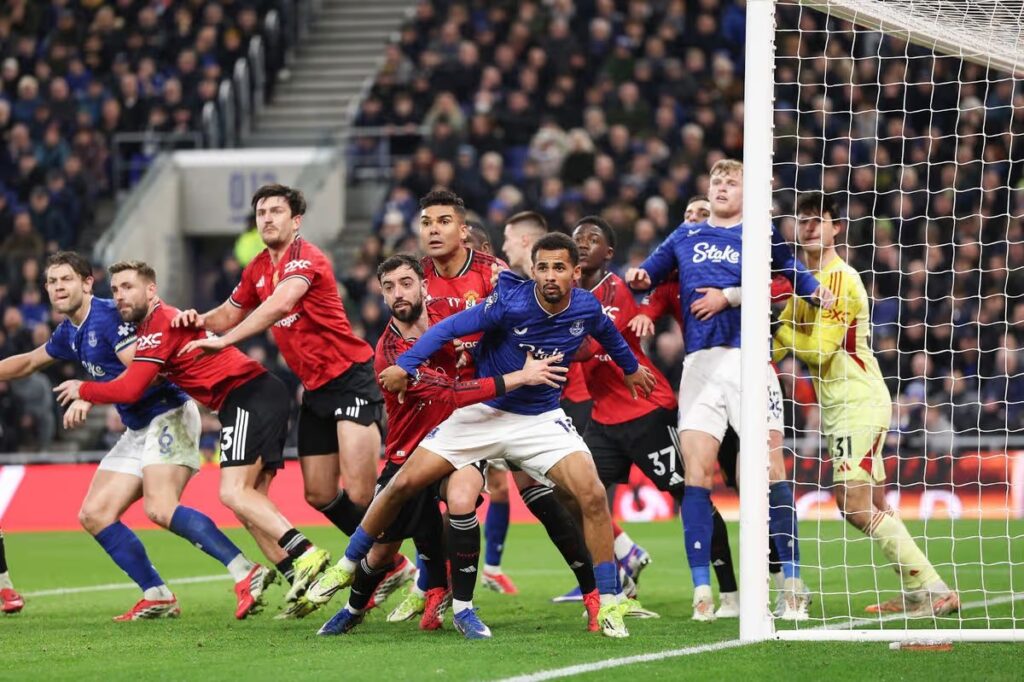
This does not mean all physical contact at corners has suddenly been outlawed. Rather, referees have been told to act more firmly against clear holding and unfair obstruction.
That could have a significant impact on the type of wrestling and blocking often seen during attacking set pieces.
Expanded VAR Interventions and New Refereeing Make Up
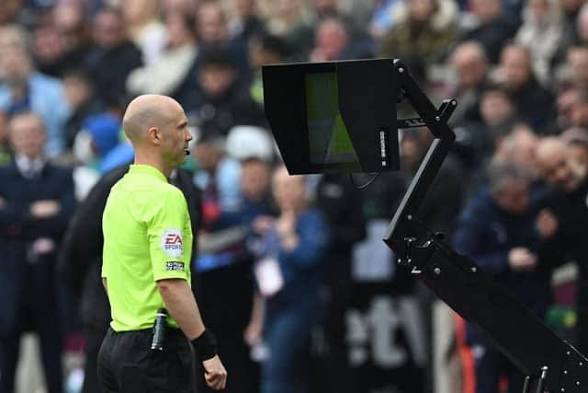
VAR will also have a slightly expanded role. The Premier League will allow reviews of red cards resulting from a clearly incorrect second yellow card, although it will not adopt every optional VAR change approved by IFAB, including reviews of incorrectly awarded corners.
Another important change is away from the pitch. The Premier League has created a new Professional Referee Group for 2026/27 following the merger of the previous Select Group 1, Select Group 2 and supplementary list, bringing greater competition and flexibility to referee appointments.
The league is also beginning the season one week later than the previous campaign to provide players with more recovery time following the expanded international calendar.
The Christmas and New Year schedule has also been adjusted so that no two match rounds take place within 60 hours of each other.
For supporters, one point requires clarification: hearing referee conversations is not a new rule giving fans unrestricted access to live match audio.
The Premier League has continued its “Match Officials Mic’d Up” initiative to explain key decisions and show how referees communicate, but live referee-VAR conversations are not simply being opened to stadium audiences.
With new clubs, new officiating structures and tighter measures against time-wasting, the 2026/27 Premier League season will not simply be another campaign.
The football remains the same, but the way matches are managed is set for a noticeable change from the opening whistle at the Emirates.
READ ALSO: Ministry of Education Orders Reinstatement of Assaulted Student’s Boarding