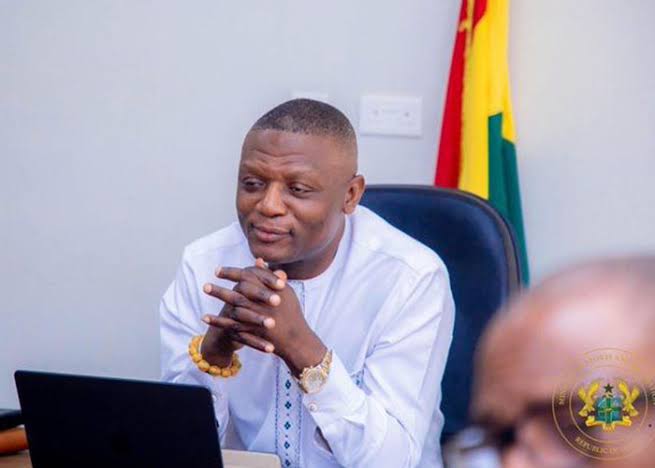
Ghana’s Minister for Sports and Recreation, Kofi Iddie Adams, has challenged the primary stakeholders in Ghana football to rethink how they develop, promote and commercialise the domestic league, questioning whether the current product is attractive enough to convince fans to fill stadiums when the new Ghana Premier League season begins.
Speaking at the 32nd Ordinary Session of the Ghana Football Association (GFA) Congress in Prampram, the Minister stressed that improving the quality and appeal of the domestic league must be a collective responsibility involving administrators, clubs, players and other football stakeholders.
With the 2026/27 Ghana Premier League season set to commence in early September, Adams posed a difficult question to football authorities and industry players about the value proposition of the competition.
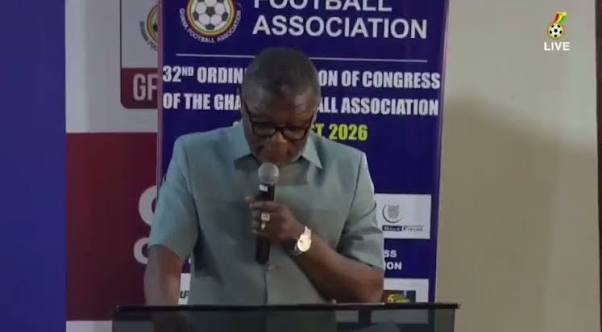
“The new Ghana Premier League season is about to start. Who exactly are we asking Ghanaians to come and watch?” he asked, highlighting concerns about the need to create a stronger connection between clubs and supporters.
The Minister argued that football success cannot be achieved through shortcuts, insisting that sustained investment, proper planning and deliberate development remain essential ingredients for progress.
“Magic doesn’t exist in football. You have to work your way through,” Adams said, urging stakeholders to focus on building structures that can produce long-term results rather than relying on temporary solutions.
Developing Talent Through A Sustainable Model
Hon. Kofi Adams also addressed the issue of player transfers, rejecting the perception that exporting Ghanaian talents abroad is a setback for domestic football.
Instead, he described player sales as an opportunity that must be managed strategically to benefit clubs and the wider football ecosystem. “Selling players is not a problem. Ghana should develop and export talent,” the Minister explained.
However, he stressed that the process must involve more than simply transferring players overseas, calling for a structured approach that increases the value of Ghanaian footballers before they move to bigger markets. “But the process should be to identify, develop, train, market, increase value, transfer intelligently, and reinvest,” he added.
The Minister’s comments reflect growing calls within Ghana football for clubs to strengthen their academies, improve scouting systems and create professional environments capable of nurturing players who can compete internationally.
Turning Football Into An Economic Driver
Beyond sporting success, the minister believes a vibrant football culture can have a wider impact on Ghana’s economy by attracting investment, creating jobs and stimulating businesses connected to matchday activities.
Using the atmosphere created during major football events as an example, he questioned what could happen if similar excitement was generated consistently around domestic football. “Imagine if we can create a quarter of that atmosphere every minute, how the economy will be stimulated,” he stated.
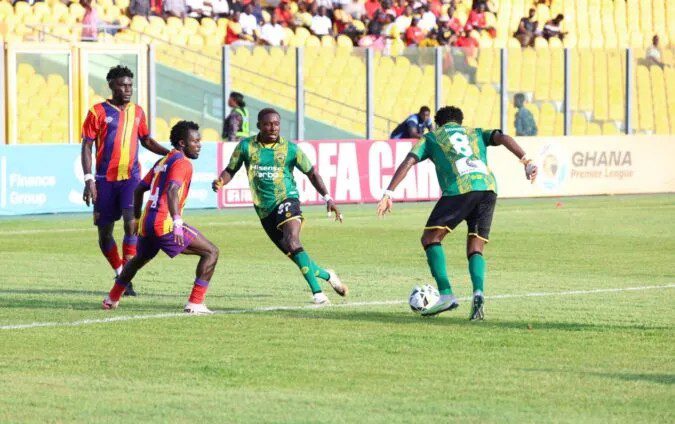
The Sports Minister’s remarks come at a time when Ghana football continues to search for ways to increase stadium attendance, improve club finances and make the Premier League more attractive to supporters and sponsors.
The annual GFA Congress has brought together representatives from various sectors of Ghana football to deliberate on challenges facing the sport and discuss strategies aimed at improving its future.
Adams’ message was clear: Ghana’s football development requires deliberate investment, stronger branding and a commitment from all stakeholders to create a product that fans can believe in.
As the new league season approaches, the challenge now lies with clubs and football administrators to transform those concerns into practical action and ensure that the Ghana Premier League becomes a competition capable of attracting both local and international attention. :::
READ ALSO: GES Probes Alleged Assault of Student by School Watchmen