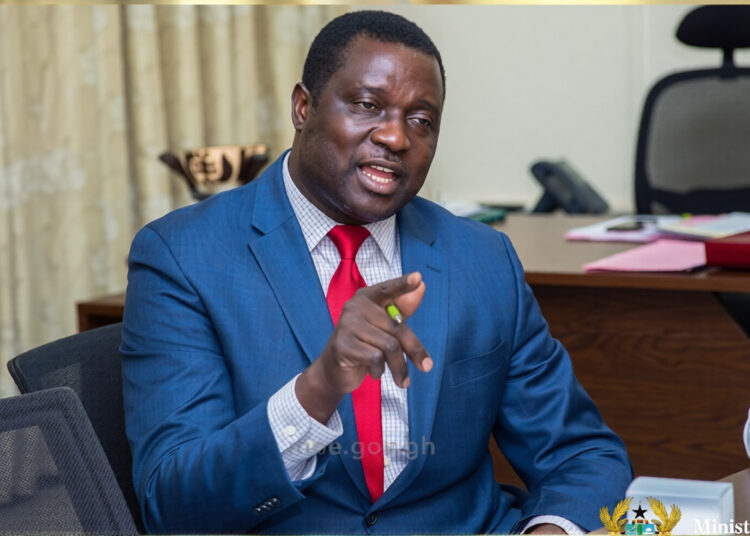
Former Education Minister, Honourable Yaw Osei Adutwum says the New Patriotic Party (NPP) introduced the self-placement system to help students find schools when their preferred choices did not match available vacancies.
Honourable Adutwum, who is also the Member of Parliament for Bosomtwe, noted that the system was designed to prevent students from being automatically allocated to schools they did not want when vacancies existed elsewhere. He stressed that self-placement should therefore not be confused with students being declared unqualified to enrol in government schools.
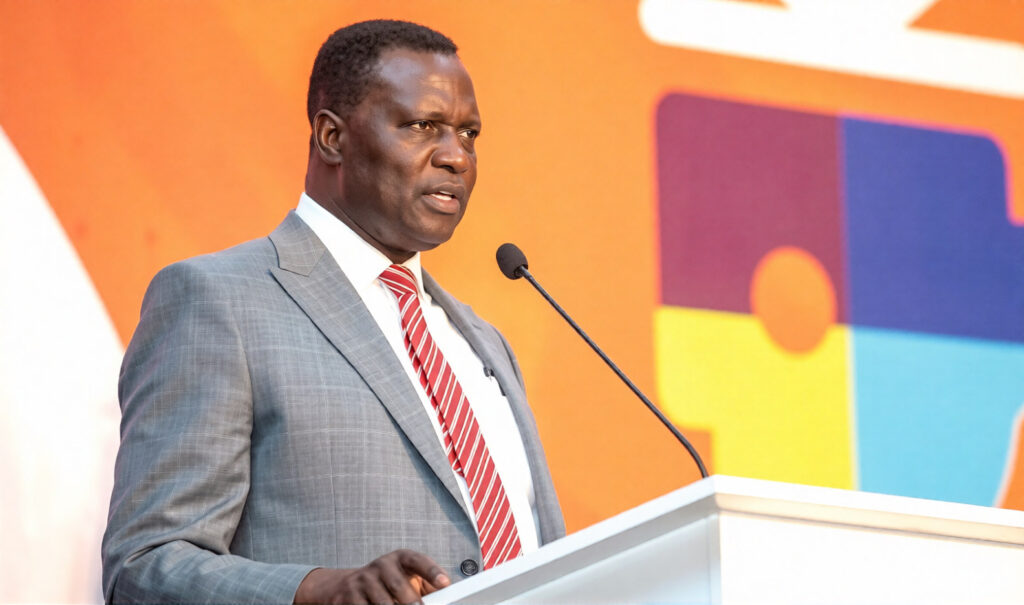
“Self-placement is different from you are not qualified to enroll. Self-placement is when you don’t get a match for them.”
Honourable Yaw Osei Adutwum
According to the Former Education Minister, the distinction becomes important in understanding the current situation involving thousands of BECE candidates who were initially excluded from the placement process. He explained that once a student is classified as disqualified, that candidate cannot access the self-placement option because their details are not included in the system.
Honourable Adutwum therefore welcomed the decision to allow the affected candidates to participate in the process, but indicated that the technical team would have to ensure their details were properly captured on the placement platform. This, he noted, would enable them to search for schools with available spaces and make their own selections.
Furthermore, the Former Education Minister argued that the self-placement arrangement has worked as a practical response to mismatches between students’ preferences and available vacancies. He pointed out that some students could find suitable schools closer to their homes through the platform, making the option useful for both families and the education authorities.
“There’s nothing wrong with self-placement. We did it over the years, there’s nothing wrong with self-placement, and for some students, it’s better to give them that opportunity.”
Honourable Yaw Osei Adutwum
On the number of students expected to use the arrangement, Honourable Adutwum questioned how the newly affected candidates should be counted alongside those already designated for self-placement. He indicated that adding the newly admitted group to an existing self-placement figure could significantly increase the number of students relying on that process.
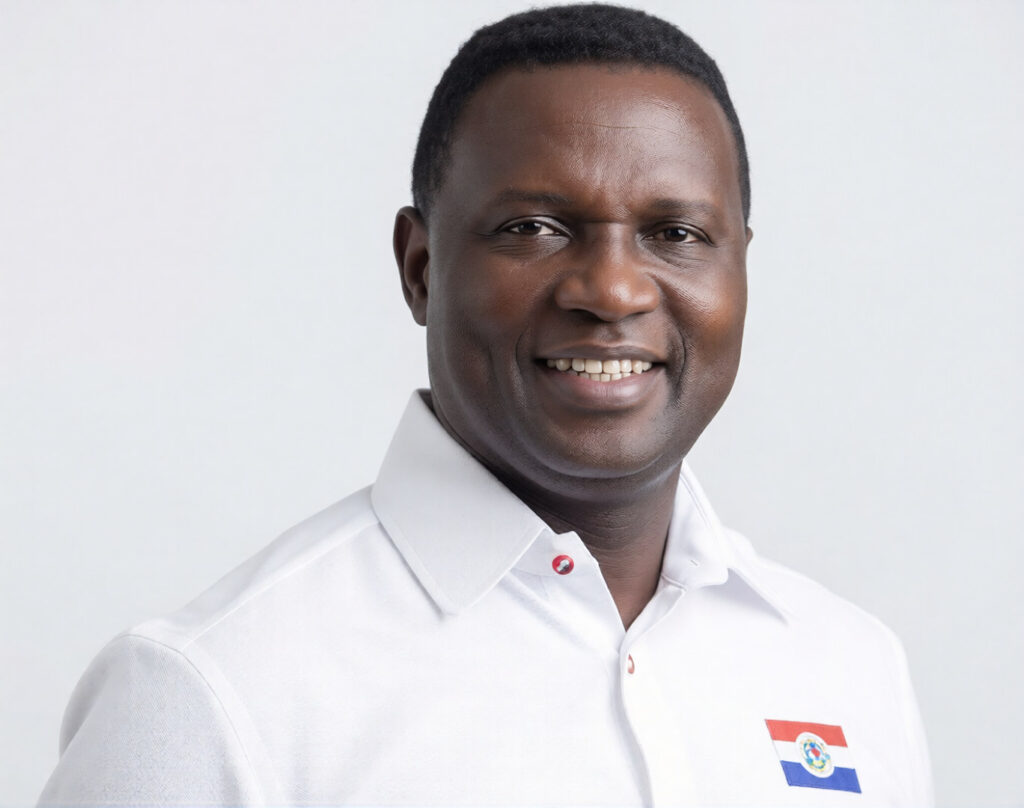
Meanwhile, Honourable Adutwum urged the Ministry of Education to strengthen the team handling placement challenges and work towards reducing anxiety among parents. He observed that repeated appearances at resolution centres could create mounting frustration if cases were not addressed quickly.
Continuity Could Reduce School Allocation Errors
The continuity of measures introduced to improve the computerised school placement system could have reduced some of the allocation errors being reported this year, Former Education Minister Honourable Yaw Osei Adutwum has indicated.
Honourable Adutwum explained that his administration introduced a verification stage which allowed parents and students to return to the placement platform after selecting schools. This gave families an opportunity to confirm that the choices recorded in the system matched the schools they had actually selected.
He noted that such verification was important because information could be entered incorrectly when school selections made through paper forms were transferred into the electronic system. Parents who identified discrepancies could then correct their choices before the placement process was completed.
“For example, we used to allow parents to go in after they select the schools to go and check to see if the schools, they selected are the ones that are in the system.”
However, Honourable Adutwum acknowledged that he could not confirm whether the same verification arrangement had been used during this year’s placement exercise. He therefore encouraged further checks to establish whether the process remained part of the current system.
The Former Education Minister linked the measure to the relative calm recorded during previous placement exercises, particularly in 2024. He explained that systems became more effective as successive administrations identified weaknesses, introduced adjustments and allowed those improvements to continue over time.

Additionally, he argued that the education placement process should benefit from institutional continuity instead of repeatedly starting afresh. In his view, retaining measures that had already reduced problems could help authorities prevent familiar errors from resurfacing.
Turning to the establishment of resolution centres, Honourable Adutwum stressed the importance of having a dedicated team capable of addressing complaints as they emerge. He explained that the number of people reporting problems could increase each day if cases were not resolved quickly, potentially creating unnecessary disorder.
According to him, authorities should monitor the complaints arriving at such centres and determine which cases require intervention. He noted that a significant proportion of people who initially report problems may eventually resolve them without further assistance, while the remaining cases require targeted attention.
Moreover, Honourable Adutwum urged officials to approach the current difficulties with a sense of urgency as families prepare for the reopening of schools. He indicated that reducing the number of unresolved cases would help lower anxiety among parents and allow students to begin the academic year with greater certainty.
READ ALSO: ICT Powers Ghana’s 6% Second-Quarter Growth