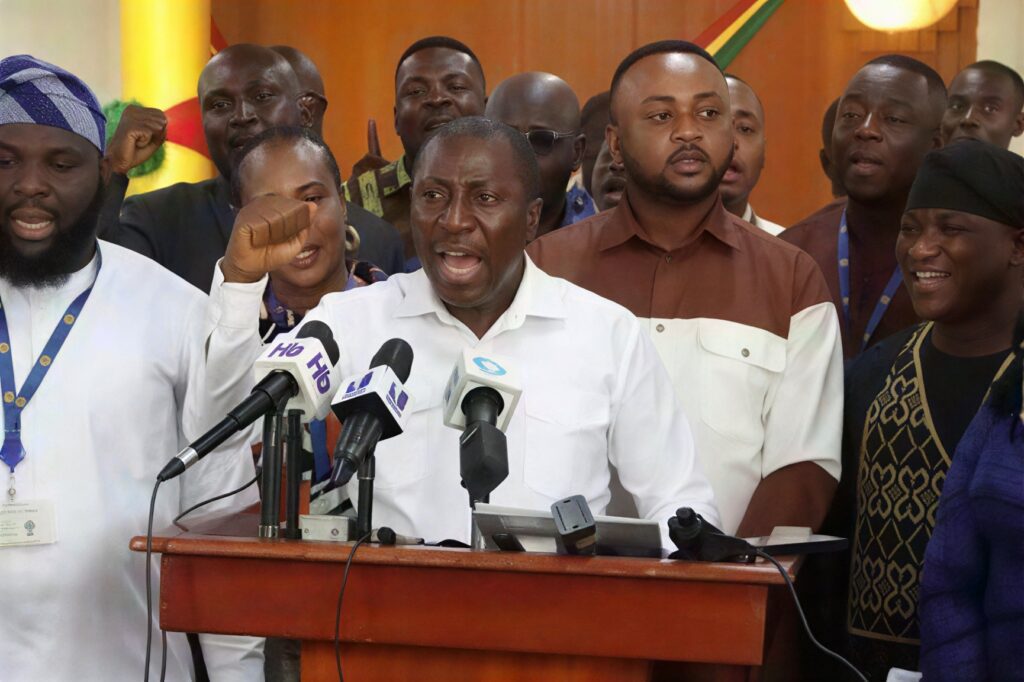
The Minority Leader in Parliament, Honourable Alexander Kwamena Afenyo-Markin, has called for the postponement of the vetting of three nominees to the Supreme Court, arguing that Parliament should allow adequate time for the constitutional process to be followed. He contended that the urgency attached to the exercise was unnecessary and could create questions about the legitimacy of the appointments.
The Minority’s position is on the speed at which the nominees have been presented for consideration by Parliament. Honourable Afenyo-Markin argued that the process requires sufficient time for parliamentary procedures to be observed and for the public to have an opportunity to engage with the nominations.
According to him, Supreme Court nominations since the beginning of the Fourth Republic have generally followed an established process that allows adequate notice before nominees appear before the appropriate committee. He therefore questioned the decision to complete the exercise within a few days after the nominations were announced and referred to Parliament.
The Minority Leader warned that rushing the exercise could create an avoidable precedent for future governments. He explained that subsequent administrations could rely on the current process to justify similarly accelerated vetting of nominees to the country’s highest court.
“Deferring the vetting would cost nothing, but the haste could cost everything.”
Honourable Alexander Kwamena Afenyo-Markin
Honourable Afenyo-Markin further argued that the issue extends beyond parliamentary procedure because the credibility of the nominees could be affected by the manner in which their appointments are processed. In his assessment, judges appointed through an accelerated process could face questions about the legitimacy of their appointment whenever they deliver decisions on politically or constitutionally significant matters.
The Minority therefore believes that additional time would serve both Parliament and the nominees. A properly conducted exercise, he suggested, would give the three nominees the benefit of a process whose legitimacy would be difficult to challenge.
The call for postponement also takes into account the current status of the Supreme Court. Honourable Afenyo-Markin added that the court’s vacation does not mean it has ceased functioning, since urgent matters can still be considered when circumstances require judicial intervention.
He noted that the administration of justice continues during the vacation period through mechanisms available to the court. Consequently, he argued that delaying the vetting for a reasonable period would not bring the country’s judicial system to a standstill.
The Minority Leader further referred to parliamentary rules governing the vetting process. He urged the relevant committee to use the time permitted under Parliament’s procedures to conduct the exercise thoroughly and allow the required stages to be properly observed.
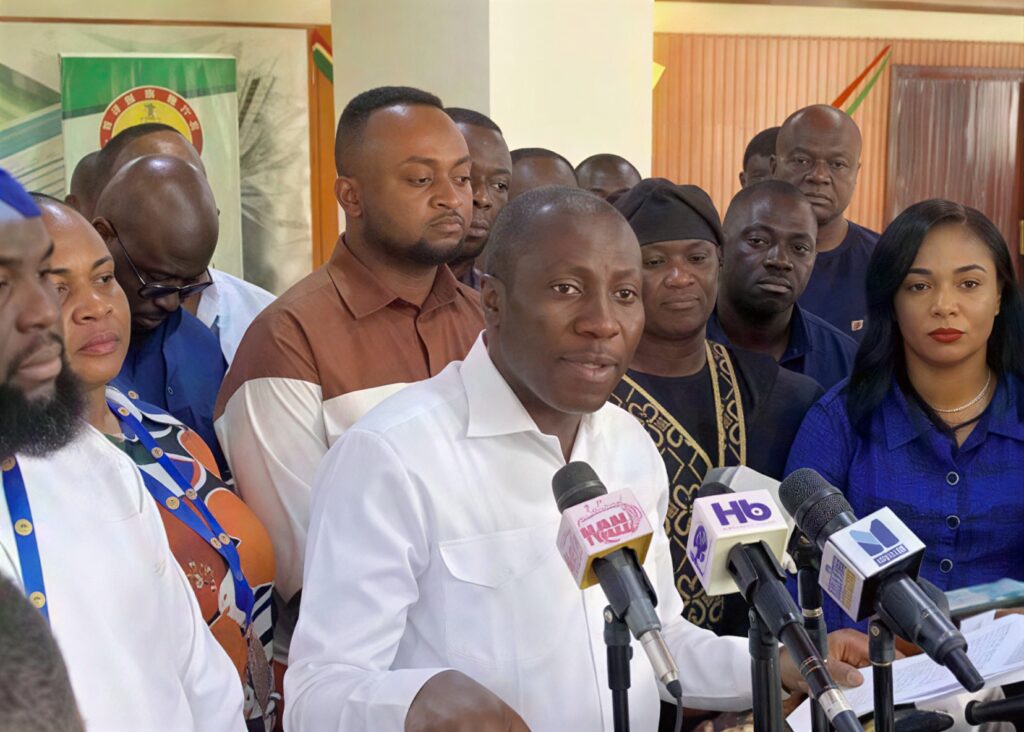
His argument also places emphasis on public participation in the appointment process. He indicated that adequate notice gives citizens and interested parties sufficient opportunity to raise relevant matters for consideration before nominees are approved.
Honourable Afenyo-Markin stressed that the Minority’s position should not be interpreted as opposition to the individuals nominated for the Supreme Court. Instead, he presented the call for additional time as an effort to protect the credibility of both Parliament and the judicial appointments.
Minority Rejects Claims of Supreme Court Appointment Emergency
The Minority in Parliament also rejected claims that an immediate approval of three Supreme Court nominees is required to address an urgent vacancy on the bench. Honourable Alexander Kwamena Afenyo-Markin argued that the current composition of the court does not create a situation that demands accelerated parliamentary action.
The Minority Leader explained that the three nominees were being considered as additional members of the Supreme Court rather than replacements for vacant positions. He therefore questioned the justification for completing their vetting within such a short period.
According to Honourable Afenyo-Markin, the Supreme Court continues to operate with its existing complement of justices. Cases remain before the court and judgments continue to be delivered, meaning that the absence of the three nominees from the bench has not prevented the institution from carrying out its constitutional responsibilities.
Honourable Afenyo-Markin urged the public to distinguish between an actual vacancy and the proposed expansion of the court’s membership. He argued that an additional appointment cannot automatically be treated as an emergency simply because the executive has submitted nominations for parliamentary consideration.
The Minority Leader also drew a comparison with previous government appointments to illustrate his argument about urgency. He referred to the tragic helicopter crash that claimed the lives of government officials and resulted in genuine vacancies within key ministries.
In this instance, he pointed out, the government took considerable time before appointing replacements. The comparison was intended to demonstrate that positions which became vacant through tragic circumstances did not result in an immediate appointment process.

The Minority’s position is that the circumstances surrounding the Supreme Court nominations therefore require a measured approach. Honourable Afenyo-Markin believes Parliament can take additional time without creating a constitutional or judicial crisis.
He further challenged the suggestion that the Supreme Court’s vacation creates an immediate need to expand its membership. The court, he explained, retains the ability to sit during its vacation where urgent cases require judicial attention.
This distinction, according to the Minority Leader, is important to the debate over the timing of the vetting. If the court remains capable of handling urgent matters, then a short postponement of the parliamentary exercise would provide room for the nominations to receive fuller scrutiny.
The argument also places the issue within the broader question of institutional checks and balances. Parliament is expected to scrutinise presidential nominations before approval and the Minority believes that responsibility should be exercised with sufficient care.
Attention has consequently shifted from the qualifications of the individual nominees to the circumstances surrounding their proposed appointments. Honourable Afenyo-Markin argued that the legislature must consider whether the process itself meets the standards expected for appointments to Ghana’s highest court.
The Minority Leader also warned that Parliament’s decision could establish a precedent extending beyond the current administration. Future governments could point to the present process when seeking accelerated approval for judicial nominees.
READ ALSO: President Mahama’s Investment Vision for Africa Goes Global at Washington Summit