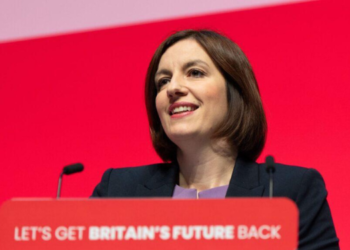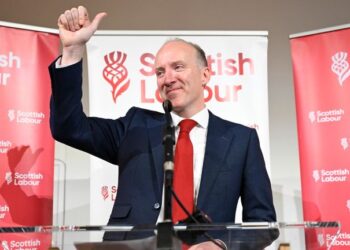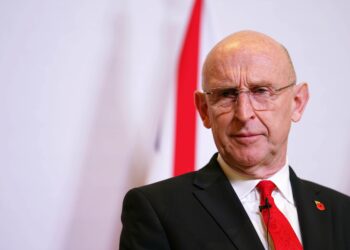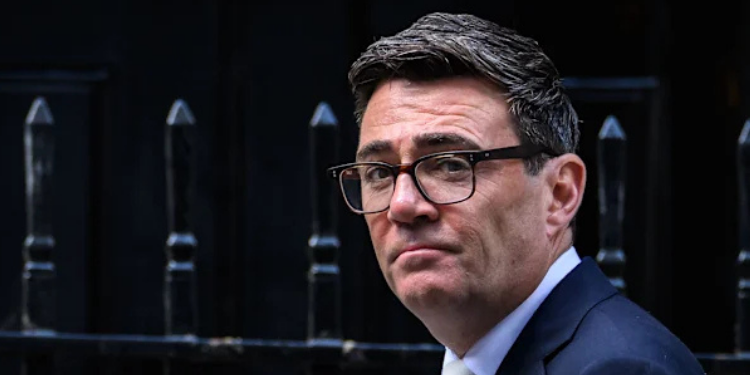
UK Prime Minister Andy Burnham has used his first major appearance in the House of Commons to promise a fundamental shift in the way Britain is governed, pledging to prioritise “problem-solving over point scoring” as his government confronts an economy under pressure, strained public services and a growing cost-of-living burden.
Addressing MPs for the first time since becoming Prime Minister, Burnham stated that Britain had reached a point where “things are not working as they should,” promising substantial changes to the economy, public services and the distribution of political power across the country.
“Britain is not where any of us would wish it to be. Things are not working as they should. Life is too expensive, and too hard for too many.”
According to the Prime Minister, his government would respond to public frustration by pursuing the changes promised during the Labour Party’s election campaign, particularly in areas affecting household finances and economic opportunity.
“When it comes to the biggest issues facing the country, the economy and the cost of living crisis, people are looking for much more substantial change as promised in our manifesto, and that is what I will bring.”
Andy Burnham
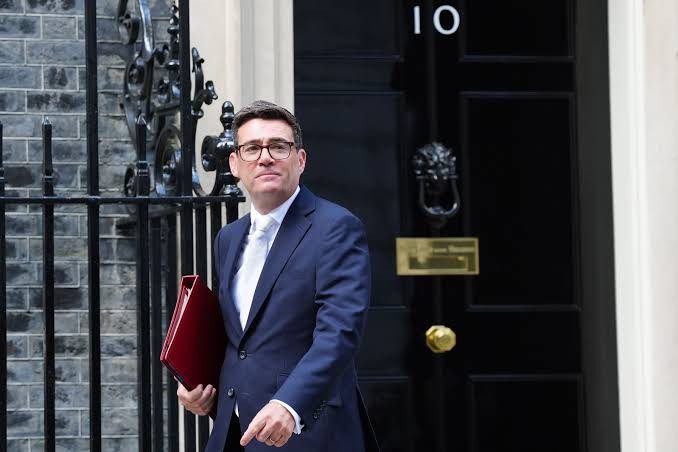
Burnham’s first Commons address also provided an early indication of the political philosophy likely to define his premiership. He argued that Britain had taken a series of wrong turns since the 1980s, pointing to the centralisation of political power, privatisation of economic power and deindustrialisation as developments that had contributed to regional inequality and weak economic growth.
According to Burnham, reversing these trends will involve greater state intervention in strategically important sectors and increased authority for communities over decisions that affect their livelihoods and future.
One of the clearest examples is the water industry, which Burnham described as a symbol of the shortcomings of the country’s approach to privatisation.
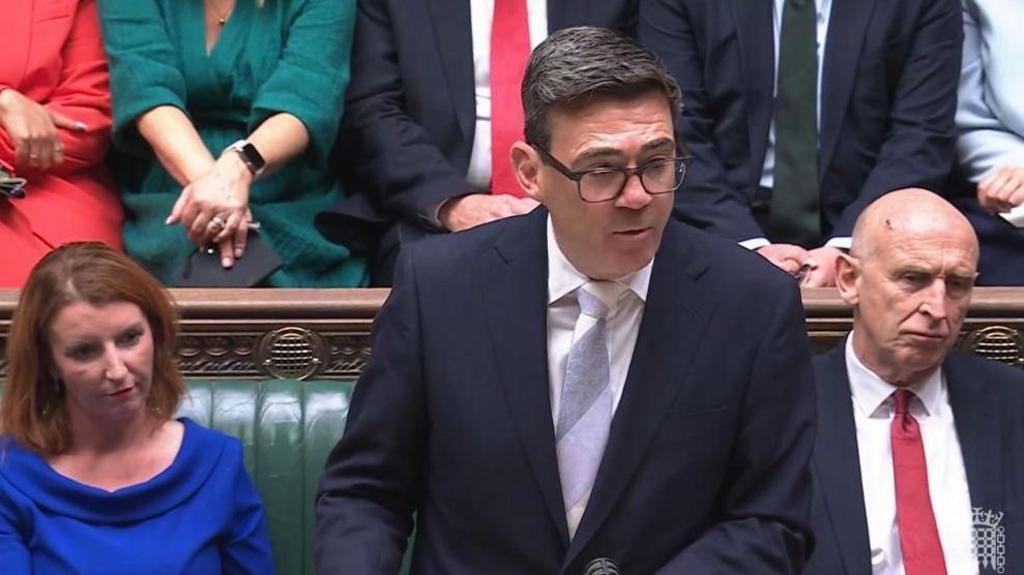
“Britain’s water industry stands as a leaking monument to that approach: a country run in the private rather than public interest and that is now abundantly clear to voters of all parties, including the party opposite.”
Andy Burnham
The government, he noted, would seek to provide “stronger public control” over essential services, including water, with more detailed proposals expected later in the year.
Burnham also highlighted the impact of inadequate infrastructure, arguing that water shortages and sewage discharges were affecting communities and damaging Britain’s tourism industry.
“Too many areas have seen water supplies disrupted this summer due to a lack of reservoir capacity. Our tourism industry is damaged by too many sewage spills.”
Andy Burnham
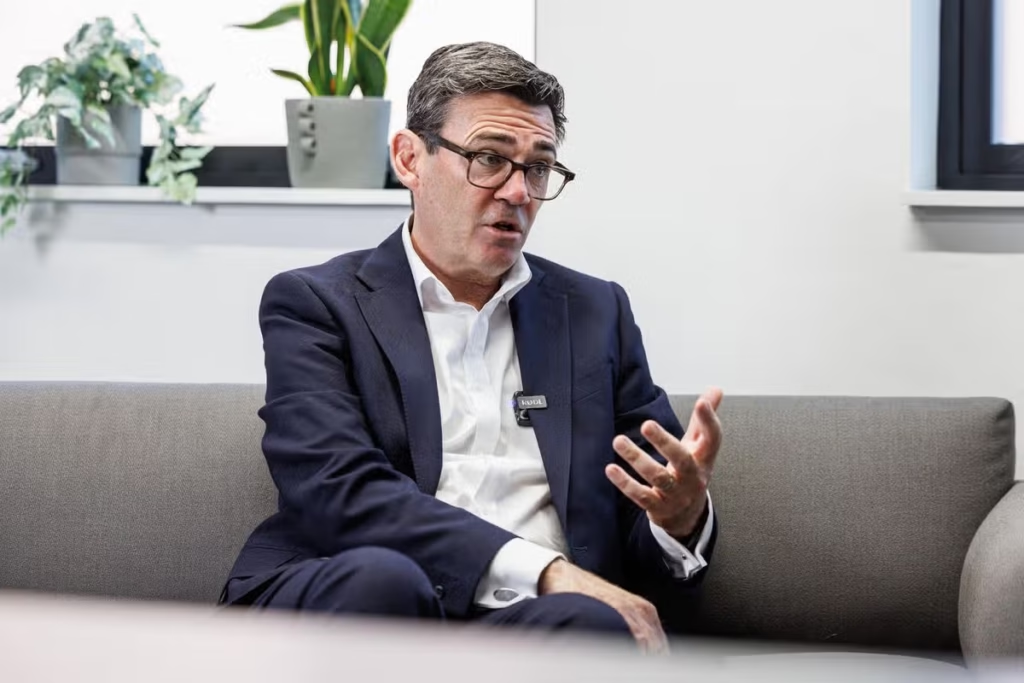
According to the Prime Minister, a 10-year plan would set out how the government intended to address these challenges and ensure essential services worked more effectively for communities.
His economic programme is also expected to focus heavily on regional development. Burnham revealed that he would revive a policy introduced by former Prime Minister Theresa May to support local industrial strategies, identifying priority sectors and encouraging cooperation between business, universities and government.
Badenoch Challenges Burnham as PM Defends New Direction

The first major exchange between Burnham and Badenoch exposed the ideological differences likely to shape the new government’s relationship with the opposition.
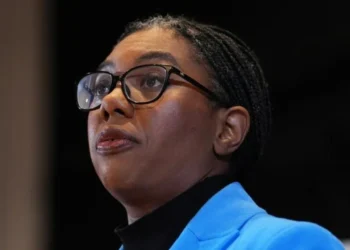
Conservative leader Kemi Badenoch criticised Burnham’s description of developments since the 1980s, accusing him of “living in the past” and suggesting his economic philosophy would return Britain to the politics of the 1970s.
“The Prime Minister said in his statement that everything has gone wrong since the 1980s, still complaining about Margaret Thatcher. He is living in the past, and he wants to take us back to the 1970s.”
Kemi Badenoch
She argued that Burnham’s economic approach placed excessive emphasis on government intervention and spending rather than private-sector growth.
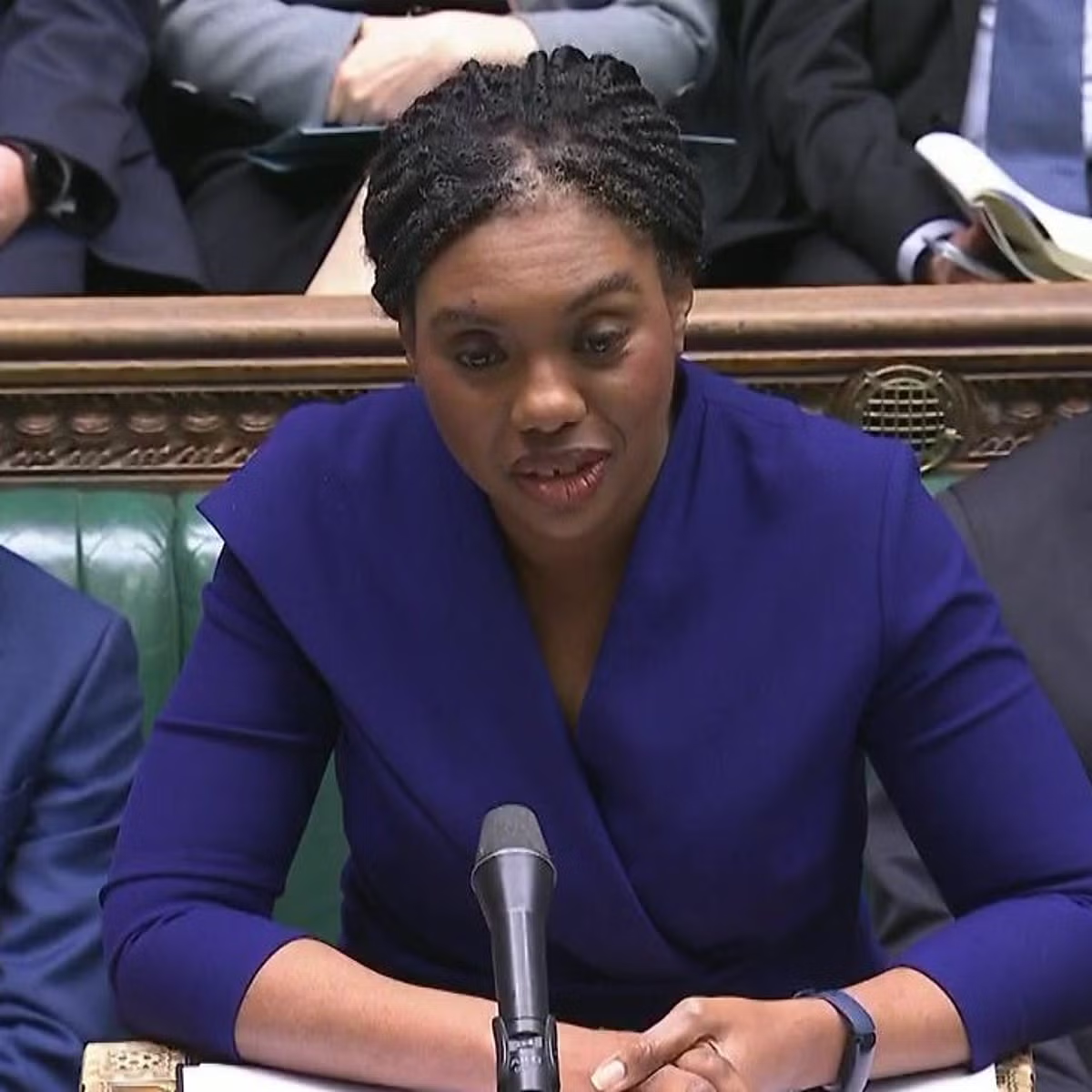
“His diagnosis is completely wrong. His theory of growth is completely wrong. He thinks that if government spends more money, we will all get richer. That is not how this works.”
Kemi Badenoch
Badenoch also challenged Burnham’s experience, arguing that the responsibilities of leading the United Kingdom were considerably greater than those of running Greater Manchester.
“This is a very different job to being mayor of Manchester, where he did not have to pick winners and losers, and he did not have to make difficult trade-offs. He did not have to worry about our national security. He does now.”
Kemi Badenoch
She also attacked Burnham over his handling of the prison early-release system, claiming he had changed his position repeatedly in recent weeks.
“He has had five different positions on early release in six weeks, putting the victims through hell with his indecision,” Badenoch stated.
The issue was central to Burnham’s own Commons statement, where he announced changes to the early-release scheme aimed at preventing certain categories of offenders from seeing their prison terms altered.
Andy Burnham responded that “we are now confirming that anyone convicted of manslaughter, death by dangerous driving, or indecent assault will not see any change to their prison term.”
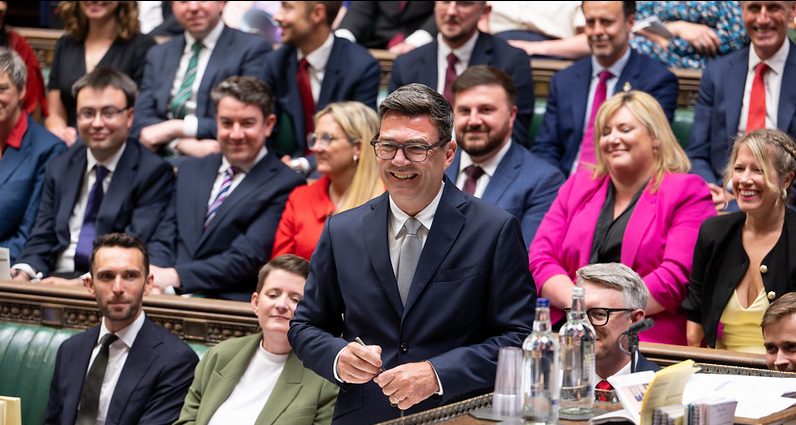
He also announced plans to create additional prison capacity by deporting more foreign national offenders and addressing the controversial issue of imprisonment for offenders serving abolished indefinite sentences.
“We will find additional prison places by deporting more foreign national offenders, and finally grasping the nettle on an issue this House has ignored for too long: indefinite IPP sentences, a now abolished policy, but one which to this day keeps people behind bars, despite already having served more than their sentences.”
Andy Burnham
According to the Prime Minister, legislation would be introduced to address the issue while attempting to balance public safety with fairness.
READ ALSO: GSE Opens September With Strong Volume and Mixed Results