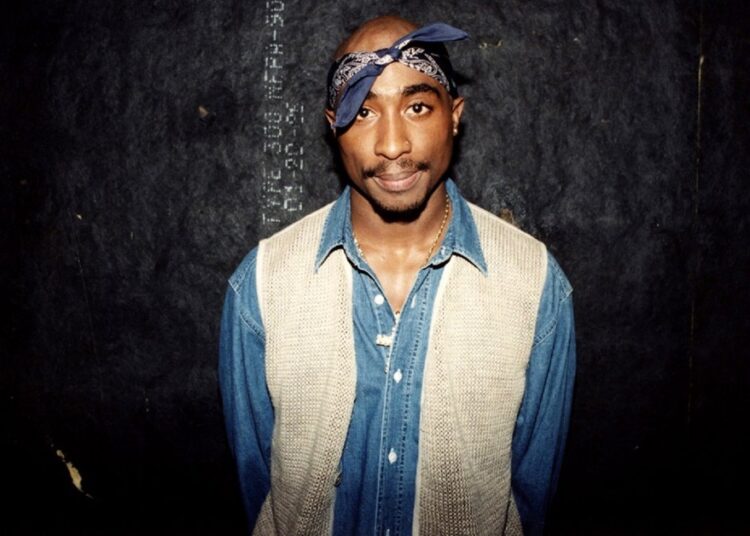
A Nevada jury on Monday found Duane “Keffe D” Davis guilty of first-degree murder with the use of a deadly weapon in the 1996 drive-by shooting death of rap icon Tupac Shakur, delivering a long-awaited resolution in one of hip-hop’s most notorious unsolved killings nearly three decades later.
Davis, 63, a former leader of the South Side Compton Crips, became the first and only person ever charged and convicted in connection with Shakur’s death. Jurors deliberated for about three hours after closing arguments following nine days of testimony from 24 prosecution witnesses and three defense witnesses.
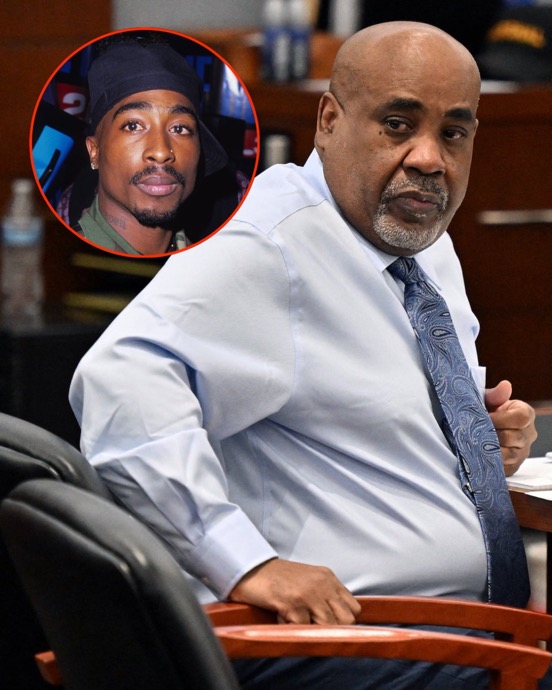
He faces the possibility of life in prison. Sentencing is scheduled for Oct. 13, and Davis was ordered held without bail pending that hearing.
Public Reaction
The verdict brought an emotional reaction in the Clark County District Courtroom in Las Vegas. Shakur’s sister, Sekyiwa “Set” Shakur, cried as the decision was read, while Davis’ son covered his face with one hand.
Prosecutors argued that Davis orchestrated the retaliatory attack and provided the gun used in the shooting. On the night of Sept. 7, 1996, Shakur and Death Row Records co-founder Marion “Suge” Knight were riding in a black BMW near the Las Vegas Strip when a white Cadillac pulled alongside them at a traffic light.
A gunman opened fire, striking Shakur multiple times. Knight suffered minor injuries and recovered. Shakur, then 25, died six days later from his wounds.
The shooting followed a confrontation earlier that evening at the MGM Grand casino. Shakur and members of his entourage had fought with Davis’ nephew, Orlando “Baby Lane” Anderson, a fellow South Side Compton Crips member.
Prosecutors said the beating of Anderson prompted Davis to plan revenge against Shakur and Knight, who were affiliated with the rival Mob Piru Bloods.
In closing arguments, Chief Deputy District Attorney Binu Palal told jurors that Davis obtained a gun and “went hunting” for the pair. He emphasized that Davis had repeatedly placed himself inside the Cadillac used in the attack through his own statements over the years. Under Nevada law, a person can be convicted of murder for aiding or orchestrating a killing even without pulling the trigger. Prosecutors did not allege that Davis fired the shots.
The case against Davis rested heavily on his own words. For years, he described his involvement in interviews with law enforcement, documentaries, podcasts, and his 2019 memoir Compton Street Legend. In the book and in a 2008 recorded interview with investigators originally given while he faced potential drug charges Davis detailed how he acted as the “shot-caller,” supplied a .40-caliber Glock, and was present in the vehicle with Anderson and others. The other men said to have been in the Cadillac have since died.
Defense attorney Michael Sanft argued that no physical evidence beyond Davis’ statements placed him in Las Vegas or inside the car that night. He contended that Davis’ accounts were fabricated for money, fame, or leverage in other legal matters and described his client as unreliable.
The defense maintained that the passage of nearly 30 years made accurate memories impossible and that the prosecution failed to prove its case beyond a reasonable doubt.
Shakur’s murder had long stood as a symbol of the violent East Coast-West Coast hip-hop rivalry of the 1990s and the broader gang conflicts between Crips and Bloods factions in the Los Angeles area. The investigation went cold for years despite early suspicions involving Anderson, who denied involvement and was killed in an unrelated gang shooting in 1998. Interest revived after Davis began speaking publicly about the events.
Las Vegas police arrested him in September 2023 following a grand jury indictment. He pleaded not guilty. Prosecutors declined to seek the death penalty.
The trial, which began with jury selection in mid-August 2026 before Judge Carli Kierny, drew intense public interest. Court officials used a lottery system for limited public seating. Testimony included reluctant witnesses with old gang ties, recordings of Davis’ past statements, and discussions of the longstanding feud. Prosecutors portrayed Davis as the central figure who set the fatal events in motion after the casino fight.
Davis had been in custody since his 2023 arrest and was also serving a separate sentence of 16 to 40 months for a jailhouse fight conviction while awaiting the murder trial.
The conviction closes a major chapter in a case that has fueled books, documentaries, conspiracy theories, and endless speculation for generations of fans. Shakur remains one of the most influential and commercially successful artists in hip-hop history, known for both introspective tracks and confrontational anthems. His death at the height of his career left a lasting void and cemented his legendary status.
While the jury’s decision holds Davis responsible as the orchestrator, questions about other potential participants and the full sequence of events that night may never be fully answered. For Shakur’s family and many in the hip-hop community, the verdict represents a measure of accountability after almost 30 years.
Davis’ sentencing in October will determine the precise punishment, with life imprisonment the maximum possible outcome.
The case highlights how self-incriminating statements, even those later recanted, can revive and resolve cold cases long after the original crime. It also highlights the enduring cultural impact of Shakur’s life and death, which continue to resonate far beyond the courtroom in Las Vegas.
READ ALSO:New Environment Minister Vows Decisive Action on Illegal Mining and Pollution