Former Prime Minister Keir Starmer has announced that he will step down as the Member of Parliament for Holborn and St Pancras, bringing an end to his parliamentary career in the constituency he has represented since 2015 and signalling a new phase focused on international affairs, defence and security.
Starmer confirmed his decision in an interview, revealing that “it has been a huge honour and privilege to represent the best constituency in the country and to have taken over from Frank Dobson, who was such a great constituency MP and a member of the last Labour government.”
His decision comes as the Labour Party enters a new political chapter under Andy Burnham, who is preparing to make his first major statement to the House of Commons as Prime Minister following Parliament’s return from recess.
Starmer’s departure from Parliament marks the latest development in a dramatic period for British politics. After leading Labour to government, he subsequently resigned as party leader amid mounting political pressure, paving the way for Burnham to take over the leadership and enter Downing Street.
The former Prime Minister, however, does not view his departure from the Commons as an end to his public engagement. He noted that his future work would increasingly turn towards international affairs in response to a rapidly changing geopolitical and technological landscape.
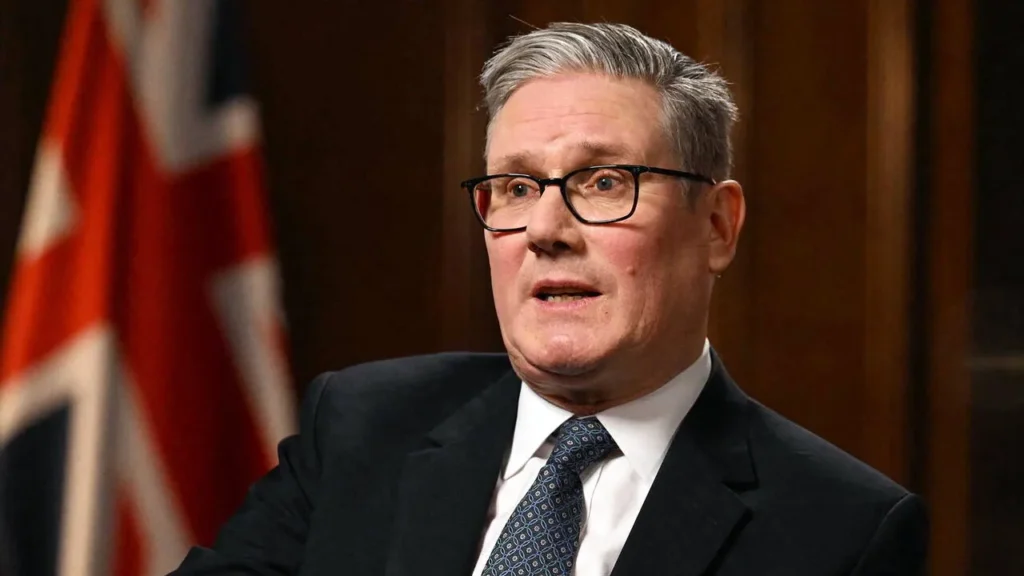
“I will now focus on other things, and that will be international affairs including defence, security, trade and technology in a fast-changing world. I will also continue, as I have done for a long time now with others, work on combating violence against women and girls; that is an issue that matters to me hugely. It’s work I started before I became an MP and it’s work I’m keen to continue after I’m an MP.”
Keir Starmer
Starmer’s political career has been closely associated with Holborn and St Pancras, a constituency that he described as the best in the country. His departure will therefore bring to an end more than a decade of representation in the seat and close a significant chapter of his political life.
During his time as the constituency’s MP, Starmer indicated that he had worked with local organisations and residents on issues including affordable housing, education and youth violence.
“I want to thank all of those I was privileged to work with in the constituency on issues that matter hugely: affordable housing, first class education and the work we did on knife crime through the Camden youth support, which was really, really important.”
Keir Starmer
Andy Burnham Set for Commons Debut
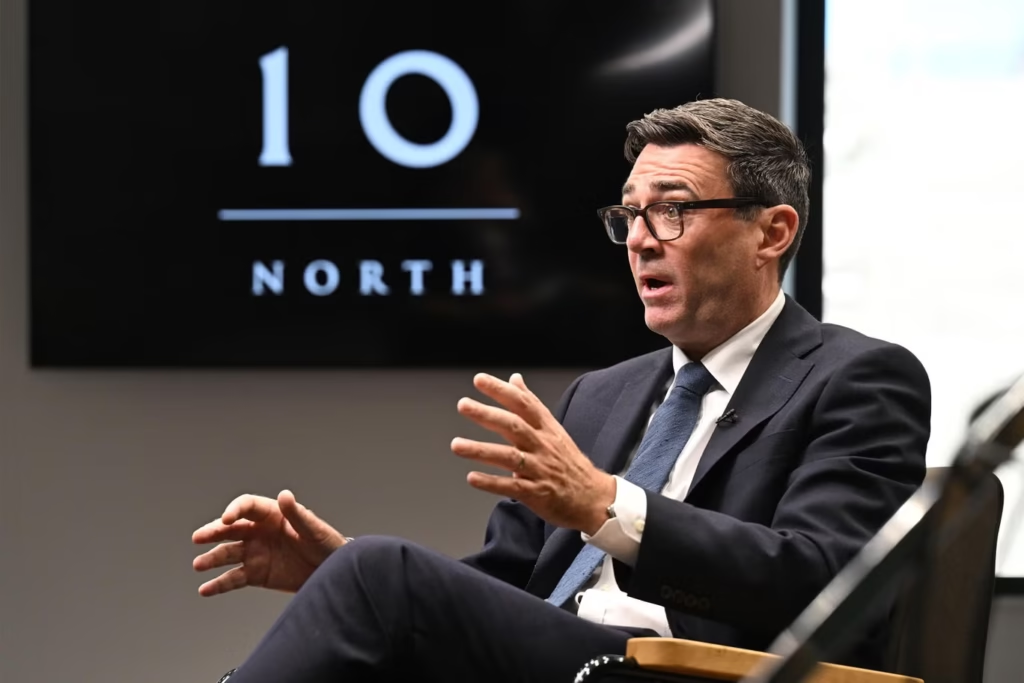
Meanwhile, UK Prime Minister Andy Burnham is preparing to use his first statement to the House of Commons as Prime Minister to set out his political vision, with the cost-of-living crisis expected to feature prominently in an address that could provide the clearest indication yet of the direction of his government.
The new Labour leader is expected to make the case for bringing greater public control over essential services, arguing that a stronger role for the state is necessary to address pressures facing households and support long-term economic growth.
The Commons appearance will be significant because many of Burnham’s policy proposals were announced during the summer when Parliament was in recess and therefore faced limited scrutiny from MPs.
With Parliament now returning, the Prime Minister will be required to defend those proposals directly before MPs, potentially providing the first major test of his leadership inside the chamber.
Burnham’s political platform has centred heavily on decentralising power and changing the relationship between central government, local authorities and essential public services.
Among the proposals he has advanced is a plan to establish a new No 10 unit in Manchester, reflecting his long-standing argument that political power and economic decision-making should not remain concentrated in Westminster.
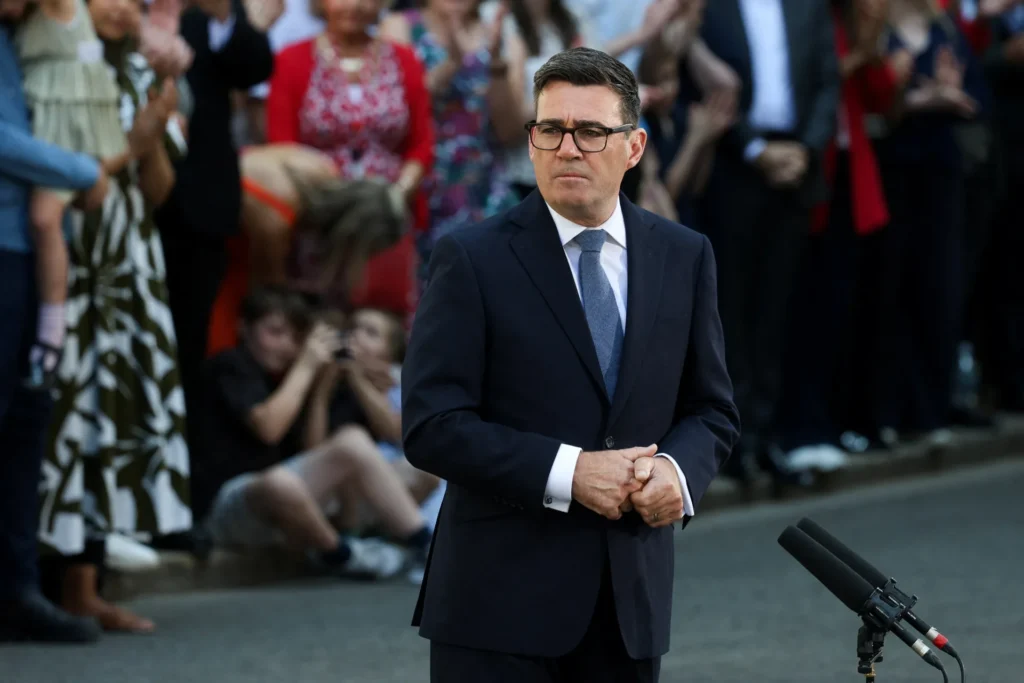
The proposed unit would be tasked with giving local government greater control over areas such as housing and transport, while Burnham has also pledged to pursue greater public control of the water and energy sectors.
Burnham’s first Commons address therefore comes at a politically important moment. With Starmer preparing to leave Parliament altogether, the new Prime Minister must begin establishing his own political identity while convincing Labour MPs and the wider public that his programme can address the country’s economic and social pressures.
The transition from Starmer to Burnham has been unusually rapid. Burnham returned to Westminster only weeks before securing overwhelming support from Labour MPs to succeed Starmer as party leader. His expected rise to Downing Street represented a remarkable political comeback after leaving Parliament in 2017 to serve as mayor of Greater Manchester.
With Burnham set to make his first appearance in the Commons as Prime Minister, the focus is moving towards the practical realities of governing.
His challenge will be to convert the commitments announced over the summer into detailed policies while addressing parliamentary scrutiny over living costs, public services, economic growth and political power.
READ ALSO: GPRTU Reconsiders Fares As Fuel Costs Rise