New 2027-2030 budget guidelines move Ghana’s fiscal debate from headline targets to the harder work of controlling commitments, protecting investment and preventing another build-up of arrears.
Ghana’s 2027 budget process has opened with a familiar promise (fiscal discipline), but the harder test will take place far below the headline deficit and primary-balance targets. It will occur when ministries, departments and assemblies decide which contracts to sign, which projects to start and which bills the state can actually afford to honour.
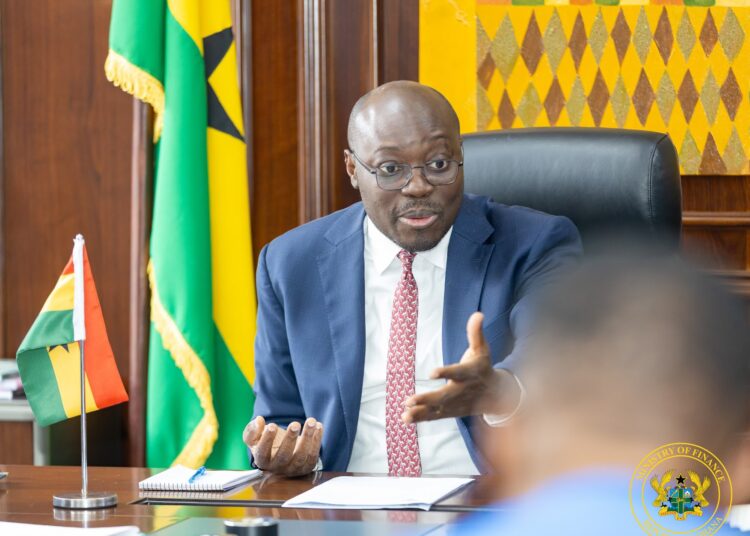
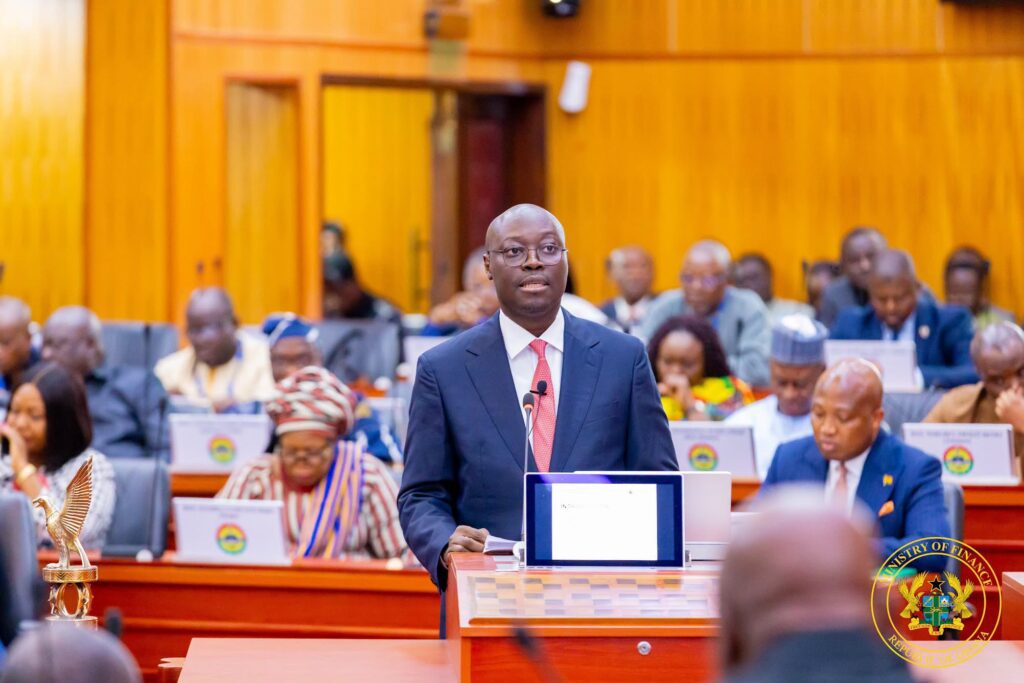
The Ministry of Finance circulated the 2027–2030 Budget Preparation Guidelines on August 31, providing procedures for preparing the budget and medium-term expenditure ceilings for Ministries, Departments and Agencies and Metropolitan, Municipal and District Assemblies.
The guidelines were issued under Article 179(1) of the Constitution, the Public Financial Management Act, 2016 (Act 921), and the PFM Regulations, 2019 (L.I. 2378).
That sounds administrative. Economically, the ceilings determine whether spending plans formed across government remain consistent with the national fiscal envelope. A ministry that plans beyond its ceiling may create commitments today that become arrears, borrowing needs, or delayed payments tomorrow.
Budget Ceilings Move Discipline Into Ministries
Ghana’s recent fiscal recovery has improved the aggregate numbers. The IMF says the primary balance moved from a deficit of 2.1 percent of GDP in 2024 to a surplus of 2.1 percent in 2025. The 2026 budget targets a 1.5 percent primary surplus.
But aggregate targets can hide weaknesses in how expenditure enters the system. In 2024, the IMF recorded GH¢68.8 billion in gross payables, equivalent to 5.8 percent of GDP, accumulated largely through pre-election commitments contracted by line ministries outside the Ghana Integrated Financial Management Information System.
That episode explains why expenditure ceilings matter. A contract awarded without credible budget space still creates an economic liability even if cash has not yet left the Treasury. Contractors may borrow to execute the work, suppliers may wait for payment, banks carry the credit exposure, and government eventually inherits the bill.
Fiscal slippage therefore begins at the commitment stage, not only when money is paid.
Commitment Controls Must Prevent Hidden Spending
The IMF’s July assessment says tighter commitment controls have helped align spending with available resources. The Ministry’s 2026 budget calendar also requires consolidated expenditure-commitment and budget-implementation reports during the year, while the 2027 preparation process moves into production workshops and stakeholder consultations through September and October.
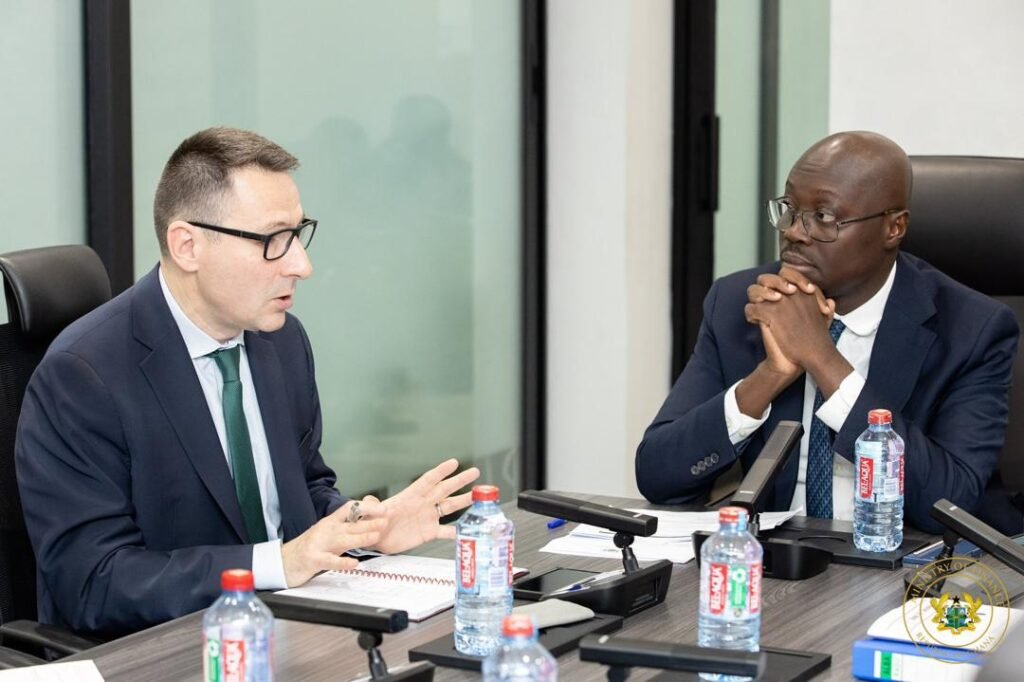
The 2027 ceilings will therefore carry weight only if institutions treat them as hard constraints rather than opening positions for later negotiation. Procurement, project approval and commitment authorisation must remain tied to available appropriations.
Otherwise, expenditure can migrate outside the visible budget and reappear later as arrears. For firms supplying government, predictability matters as much as the size of public spending. A contractor paid on schedule can meet payroll and service bank loans.
The same contractor facing prolonged arrears may reduce employment, delay suppliers or price future government work at a premium to compensate for payment risk. Poor expenditure control can therefore raise the state’s cost of procurement while weakening private-sector cash flow.
More Fiscal Space Raises the Execution Bar
The 2027 budget will also arrive with more room to spend. Under Ghana’s new IMF Policy Coordination Instrument, the primary-surplus target is expected to ease from 1.5 percent of GDP in 2026 to 0.5 percent from 2027, with the additional fiscal space intended for investment spending.
That creates an important trade-off. Ghana needs roads, energy infrastructure, schools and other productive investment, but recent consolidation has relied heavily on spending compression. The IMF has cautioned that this pattern may prove difficult to sustain given the country’s development needs.
More fiscal space should therefore not translate into looser control. It raises the standard for project selection. If additional borrowing or revenue finances projects with weak economic returns, debt falls more slowly without a corresponding gain in productive capacity.
If the money goes to well-appraised projects that reduce transport costs, improve power reliability or raise human capital, the same fiscal space can support future growth and strengthen the revenue base.
Better Execution Will Define 2027 Fiscal Credibility
The Ministry’s new guidelines begin the process, but ceilings alone cannot guarantee discipline. Ghana’s fiscal credibility in 2027 will depend on whether commitments remain inside approved limits, projects pass credible appraisal, arrears stay contained and cash releases protect priority investment rather than merely producing favourable year-end balances.
The distinction matters because fiscal discipline does not mean spending as little as possible. Excessive under-execution can postpone infrastructure, weaken service delivery and leave private firms without expected government demand. The objective should be controlled, predictable and economically productive spending.
The IMF describes “maintaining fiscal discipline” as a key priority while allowing greater room for development expenditure. Ghana now has to prove that those two objectives can coexist.
The 2027 budget will gain credibility not from ambitious ceilings on paper, but from ministries making spending decisions that government can finance without recreating the arrears and borrowing pressures of the past.
READ ALSO: UN Adopts Ghana’s Resolution Declaring Slave Trade Gravest Crime