Absa Bank Ghana has strengthened its role in Ghana’s capital market after supporting PETROSOL Platinum Energy PLC in the successful listing of its GH¢200 million Note Programme on the Ghana Fixed Income Market.
The transaction has emerged as a major development for PETROSOL, particularly after the initial issuance attracted overwhelming investor interest and recorded a 178% subscription.
Absa Bank Ghana acted as Joint Lead Manager and Debt Service Account Bank for the transaction, providing PETROSOL with critical capital market support as the energy company positions itself for its next phase of expansion.
Investor Demand Surges Beyond Expectations
The strong subscription rate has placed the PETROSOL transaction among the notable recent capital market activities, highlighting the appetite for corporate debt instruments in Ghana.
Although investors showed demand significantly above the amount PETROSOL initially targeted, the company elected to maintain its original GH¢100 million issuance target.
The decision means PETROSOL secured its intended funding without increasing the amount raised despite receiving bids that pushed subscription levels to 178%.
The development underscores the growing potential of Ghana’s fixed income market as companies seek alternatives to traditional bank financing and other short-term funding sources.
For investors, the transaction also demonstrates the potential of well-established Ghanaian businesses to attract significant market interest when they present credible growth plans and a strong business record.
PETROSOL Targets Major Expansion
The funds raised through the issuance are expected to play a crucial role in PETROSOL’s growth strategy.
The company plans to strengthen its working capital position, enabling it to improve fuel procurement and support the smooth operation of its expanding business.
PETROSOL also intends to use the funds to improve the quality and performance of its existing service stations. This could enhance operational efficiency while strengthening the company’s competitive position within Ghana’s downstream petroleum industry.
Beyond its existing network, PETROSOL is targeting an expansion of its retail footprint and business-to-business portfolio.
The funding therefore comes at a critical period for the company as it seeks to strengthen its market presence and pursue new commercial opportunities.
The successful fundraising could give PETROSOL greater financial flexibility to execute its expansion plans while supporting its broader objective of creating sustainable value.
Absa Highlights the Capital Gap
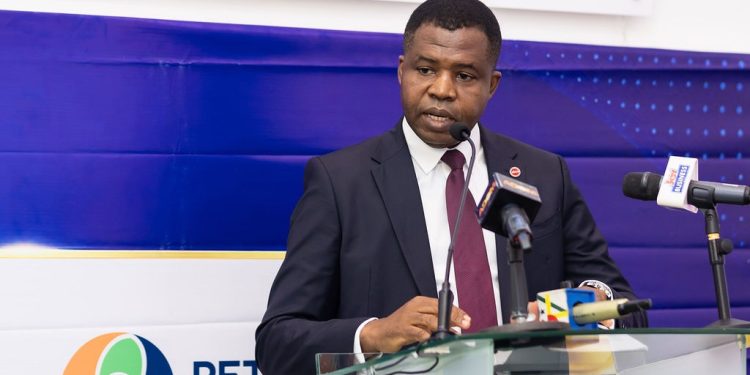
Commenting on the transaction, Managing Director of Absa Bank Ghana, Edward Nartey Botchway, stressed the importance of providing ambitious Ghanaian companies with access to suitable long-term financing.
“Ghanaian companies do not lack ambition; what is often needed is the long-term capital to back that ambition. PETROSOL Platinum Energy PLC’s Bond Programme listing demonstrates that Ghanaian businesses can access long-term funding through the capital market when they have a strong track record and a compelling growth story. Absa Bank is proud to have played a leading role in helping PETROSOL raise the capital needed to support its next phase of growth.”
His comments highlight a growing conversation around the role of Ghana’s capital market in providing businesses with funding beyond conventional lending channels.
For companies with ambitious expansion plans, access to longer-term capital can provide greater room to invest in infrastructure, working capital, technology and new markets without relying exclusively on short-term financing.
Capital Market Gains Fresh Momentum
The PETROSOL transaction also reinforces the importance of the Ghana Fixed Income Market as a platform for corporate fundraising.
The successful listing demonstrates that the capital market can provide businesses with access to significant pools of investor capital while creating additional investment opportunities for market participants.
With the initial issuance attracting demand well above the targeted amount, the transaction provides a strong signal of investor interest in credible corporate debt instruments.
It also highlights the potential for more Ghanaian businesses to consider capital market funding as part of their long-term financing strategies.
As companies face the need to expand operations, strengthen balance sheets and finance new opportunities, diversified funding sources are becoming increasingly important.
Absa Deepens Corporate Finance Role
For Absa Bank Ghana, the transaction further demonstrates its commitment to combining investment banking expertise, capital markets access and tailored financial solutions to support businesses.
The bank’s involvement as Joint Lead Manager and Debt Service Account Bank positions it as an important partner in helping companies access alternative sources of capital.
The successful PETROSOL issuance could also reinforce confidence among other Ghanaian businesses considering similar fundraising options.
As the company moves forward with its expansion programme, the capital secured through the transaction is expected to support fuel procurement, station improvements, retail expansion and growth in its business-to-business operations.
A Strong Signal for Ghanaian Businesses
Beyond PETROSOL and Absa, the transaction sends a wider message about the opportunities available within Ghana’s capital market.
The 178% subscription demonstrates that investor demand can be substantial when businesses combine a credible track record with a convincing growth strategy.
PETROSOL’s decision to retain its GH¢100 million target despite the additional demand further shows that successful fundraising is not necessarily about maximising the amount raised, but about securing the appropriate level of capital to execute clearly defined business objectives.
With long-term funding remaining crucial for business expansion, transactions such as the PETROSOL Note Programme could encourage more Ghanaian companies to explore the capital market.
READ ALSO: Ghana Targets Deeper Investment Ties with Nigeria After $2.6bn FDI Inflow in 2025