Albert Amekudzi, the External Relations and Sustainability Officer at the Ghana Chamber of Mines, has called on the Minister for Finance to establish a National Mining Industrial Linkages Programme designed to convert the mining sector’s substantial domestic purchasing power into a catalyst for national industrialisation.
This strategic initiative advocates for a coordinated inter-ministerial framework aimed at identifying mining inputs that can be competitively produced locally, thereby transitioning Ghana’s extractives sector from an isolated economic enclave into a sustainable engine for manufacturing and technological growth.
“The Minister for Finance should champion a National Mining Industrial Linkages Programme, bringing together the ministries responsible for Finance, Lands and Natural Resources, Trade, Agriculture, Energy, Education and Digital Technology, alongside industry, universities, financial institutions and research organisations. Its first assignment should be comprehensive mapping of the mining supply chain: what the industry purchases, what is imported, its annual value, what can currently be produced locally, and which products Ghana could competitively manufacture within three, five and ten years.”
Albert Amekudzi
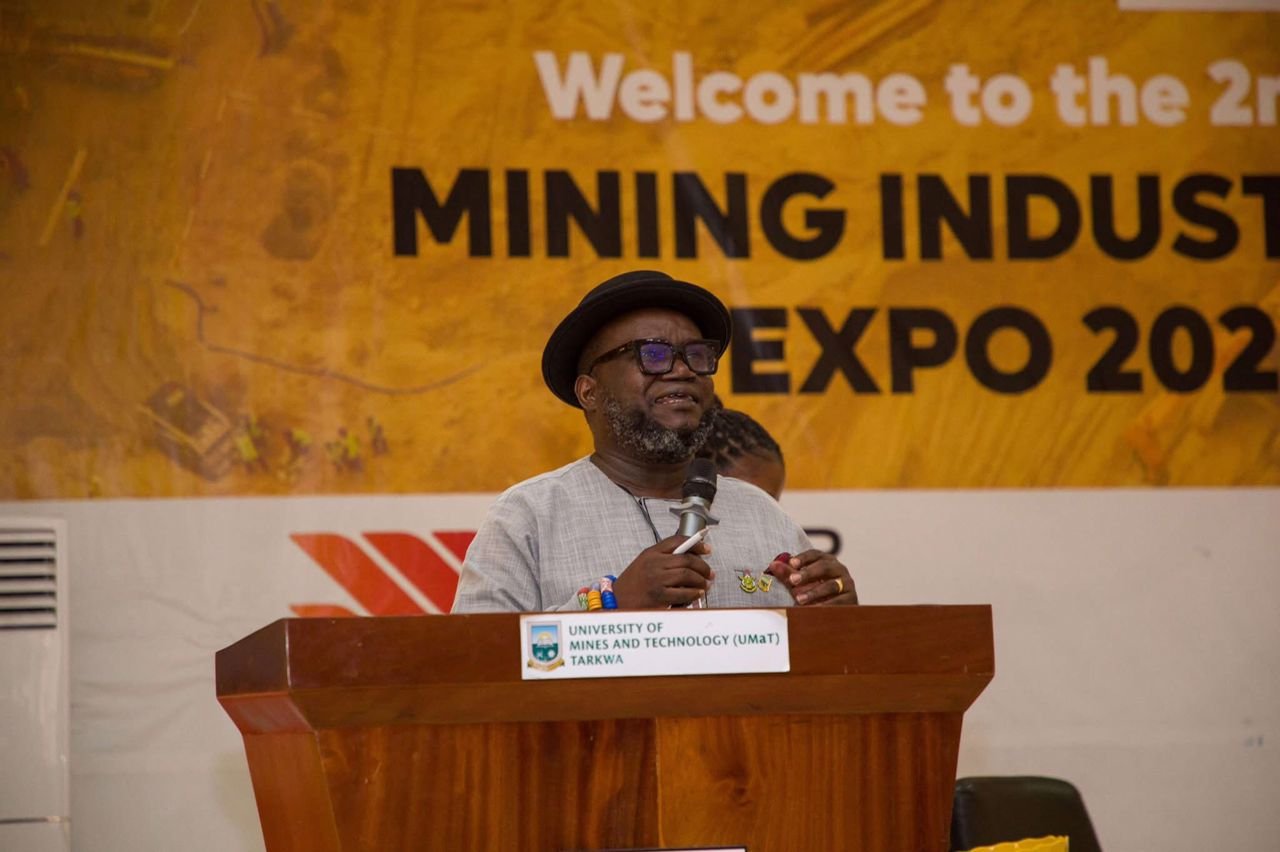
Expanding on this blueprint, the proposed programme seeks to bring together key ministries including Finance, Trade, Lands and Natural Resources, Agriculture, Energy, Education, and Digital Technology alongside academic institutions, research organisations, and private sector players.
The initiative’s immediate mandate will involve executing a comprehensive mapping of the mining industry’s supply chain to determine current expenditure, imported goods, and local manufacturing capabilities over three-, five-, and ten-year horizons. By organizing industrial demand around real procurement needs, the strategy aims to build Ghanaian-owned enterprises, generate skilled employment, and retain value within the domestic economy.
Leveraging Sector Procurement to Drive Manufacturing
For decades, Ghana has evaluated the economic contribution of its mining sector primarily through traditional metrics such as export earnings, tax revenues, royalties, and direct employment. While these indicators remain vital for macroeconomic stability, they often fail to capture the broader industrial potential inherent in the sector’s supply chain.
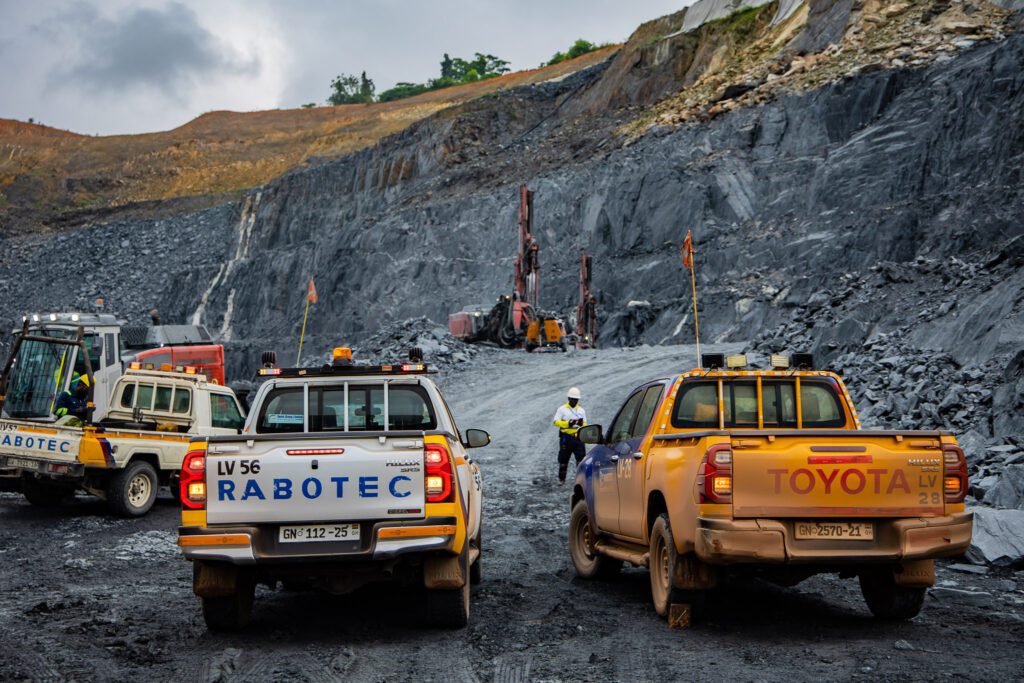
In 2025 alone, producing member companies of the Ghana Chamber of Mines spent approximately US$4.2 billion on procurement out of a total domestic expenditure of about US$7.14 billion.
This massive financial outlay represents a ready-made market for industrial inputs including grinding media, industrial chemicals, electrical cables, protective wear, pumps, and machinery components.
To capitalize on this demand, the proposal highlights activated carbon as a key target for import substitution and local value addition. Gold mining operations in Ghana consume vast quantities of activated carbon, a material that can be manufactured locally using coconut shells sourced from domestic farmers.
Amekudzi notes that “a deliberate industrial programme could connect coconut farmers to processors, manufacturers and mining companies,” effectively linking agriculture directly to high-value extractive supply chains.
Similar industrial synergy can be extended to engineering services, mine waste recycling for construction, and specialized chemical manufacturing, provided the transition is grounded in rigorous commercial feasibility.
Grounding Localisation in Scientific Research and Patient Capital
A central pillar of the proposed linkages programme is the integration of applied science and targeted development finance to ensure local products meet international standards. Aspiration alone cannot sustain industrialisation; local content must not become “a euphemism for expensive or inferior production.”
Consequently, the initiative recommends commissioning the Council for Scientific and Industrial Research (CSIR), in collaboration with tertiary institutions and mining firms, to lead practical research. This research will focus on developing pilot plants and commercializing Ghanaian raw materials into certified inputs required by modern mining operations.
To fund these capital-intensive ventures, the government is urged to establish a dedicated financing window through development-finance institutions, providing patient capital for machinery acquisition, research, and international certification.
A Shared-Equity Model for Community and Enterprise Ownership
Beyond technical viability, the proposal introduces a Shared-Equity Mining Industrialisation Model designed to restructure ownership and build lasting local equity.
Under this framework, strategic mining-input enterprises would combine technology and capital from foreign investors with policy support and infrastructure from the government.
Simultaneously, Ghanaian-owned businesses would hold substantial equity to drive local enterprise development, while host communities and District Assemblies would retain joint shareholding through designated investment vehicles.

This equity structure represents a fundamental shift from traditional corporate social responsibility reliance to direct asset ownership for mining communities. By participating as shareholders in facilities such as regional activated-carbon or chemical plants, local communities and District Assemblies directly benefit from commercial success.
Ultimately, transforming the mining supply chain into a domestic manufacturing hub offers Ghana a clear path toward long-term economic resilience and self-reliant industrial growth.
READ ALSO: South Korea Rules Out Troops For Iran War