The growing importance of liquefied petroleum gas (LPG) within Ghana’s downstream petroleum industry is placing greater emphasis on collaboration between marketers, regulators and other industry stakeholders as the country seeks to build a safer and more efficient fuel market.
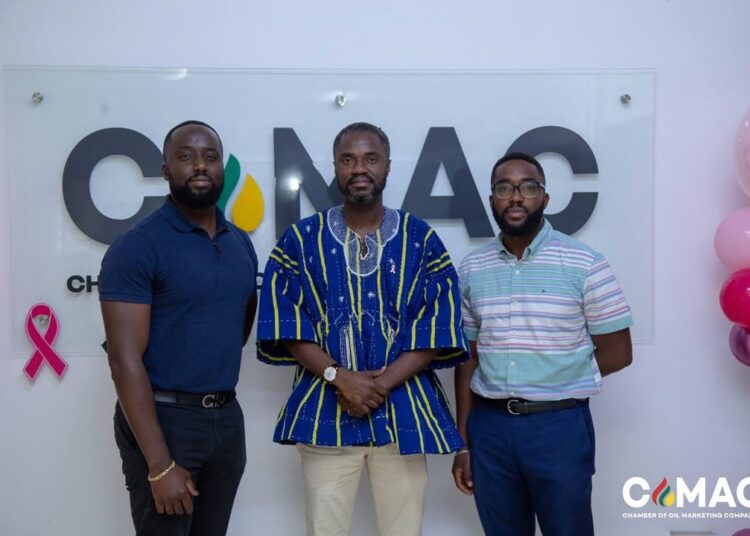
That context underpinned a courtesy engagement between the Chamber of Oil Marketing Companies (COMAC) and Anasset Company Limited, an LPG marketing company, with discussions focused on areas of mutual interest within the downstream petroleum sector.
The engagement brought representatives of Anasset together with COMAC and its Chief Executive Officer, Dr. Riverson Oppong, providing an opportunity for the two sides to exchange perspectives on the LPG segment and consider areas where closer industry engagement could support its development.
While the meeting was a courtesy visit, its significance extends beyond the formal introduction of an industry player to the Chamber.
LPG occupies an important position in Ghana’s downstream market, particularly because its expansion is closely connected to questions of household energy access, commercial fuel use, safety and the development of alternative fuels.
LPG Market Requires Stronger Industry Coordination
The engagement comes against the backdrop of a downstream petroleum industry in which different participants increasingly need to coordinate around issues that extend beyond individual commercial interests.
For LPG marketers, the operating environment involves more than bringing products to consumers. The sector requires effective systems for distribution, storage, handling and safety, while businesses must also operate within the regulatory framework governing petroleum products.
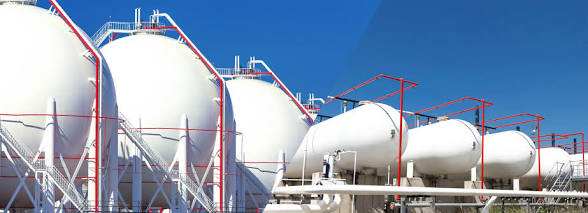
That makes communication between industry participants particularly important.
The meeting between COMAC and Anasset therefore provides a platform for the exchange of industry knowledge and perspectives that can help businesses better understand the challenges affecting the LPG market.
“The discussions highlighted the importance of continued engagement and knowledge exchange among industry stakeholders,”
COMAC
The statement is significant because LPG development requires coordination across the value chain. A weakness in one part of the system can affect the efficiency or safety of the wider market.
For example, improvements in marketing and consumer access have limited value if distribution systems cannot support reliable supply. Similarly, increased consumption cannot be treated as a success if safety practices and infrastructure fail to keep pace.
Safety And Efficiency Remain Central To LPG Growth
The safety dimension makes LPG different from simply treating the product as another downstream commodity.
As an energy source used by households and businesses, LPG requires appropriate handling throughout its journey from supply points to final consumers. This places responsibility not only on regulators but also on marketers and other industry participants to maintain appropriate standards.
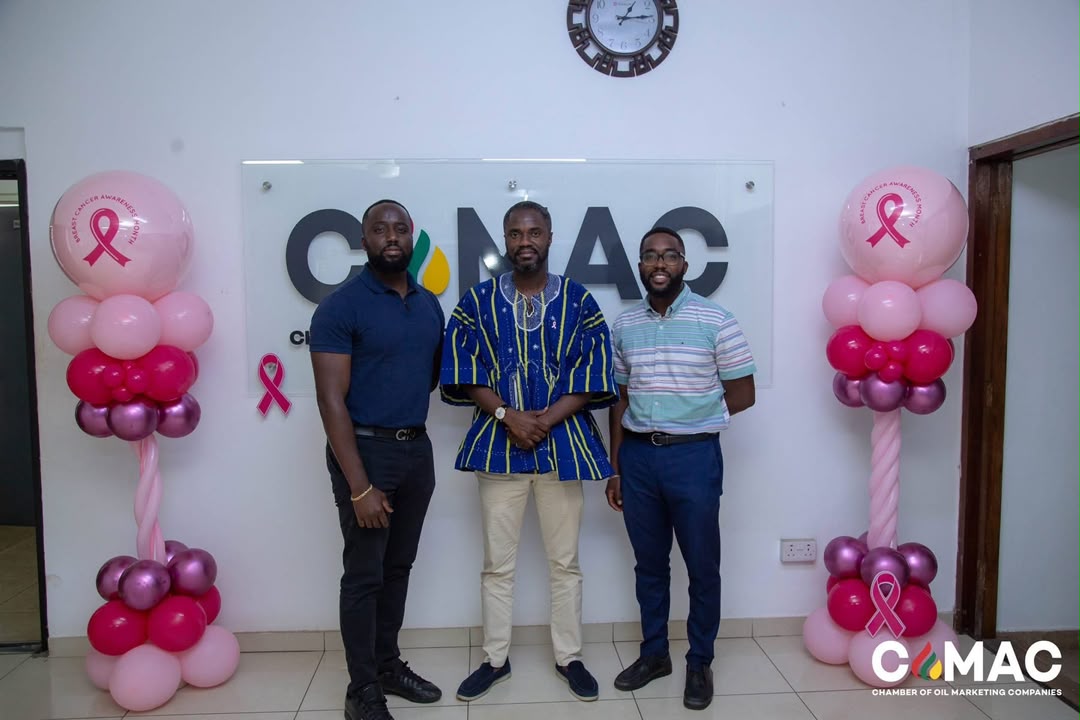
COMAC and Anasset’s emphasis on a “safe, efficient, and sustainable downstream petroleum sector” consequently reflects the need to consider market expansion alongside the systems required to support it.
A growing LPG market can deliver benefits through greater fuel choice and potentially broader access to cleaner household energy options.
But those benefits depend on the market developing within a framework that protects consumers and gives businesses sufficient confidence to invest.
That is where industry collaboration becomes relevant.
“Continued engagement and knowledge exchange among industry stakeholders” are important to supporting a safe, efficient and sustainable downstream petroleum sector.
Excerpt from discussion
The value of such engagement is therefore not necessarily measured by the immediate outcome of one meeting. Its longer-term value lies in whether regular communication allows stakeholders to identify emerging challenges early and develop more coordinated responses.
Industry Dialogue Can Support Sustainable Expansion
For COMAC, engaging LPG marketers such as Anasset also strengthens the Chamber’s understanding of developments taking place across different parts of the downstream market.
The presence of companies operating in specialised areas of the petroleum sector means industry associations can draw on a wider range of commercial and operational experience when discussing policy and regulatory issues.
Anasset’s delegation, comprising Kafui Nanemeh and Enam Nanemeh, used the engagement to discuss areas of mutual interest with the COMAC team.
The discussions did not announce a specific new investment, policy agreement or regulatory change. That distinction is important because the significance of the meeting lies primarily in the relationship being developed rather than in a new commercial commitment.
Nevertheless, such relationships can become useful channels for future collaboration.
For an industry association, engagement with individual companies provides a mechanism for understanding the practical challenges businesses face.
For companies, participation in industry dialogue creates an opportunity to communicate those challenges through a broader sector platform.
This two-way flow of information can become particularly valuable when the industry is confronted with regulatory changes or operational constraints requiring coordinated responses.
Collaboration Could Strengthen Ghana’s Downstream Ecosystem
The broader lesson from the engagement is that Ghana’s downstream petroleum sector will increasingly depend on cooperation between its various participants.
The industry is not static. Changes in consumer preferences, fuel technologies, regulation and energy policy can alter the commercial environment for petroleum marketers.
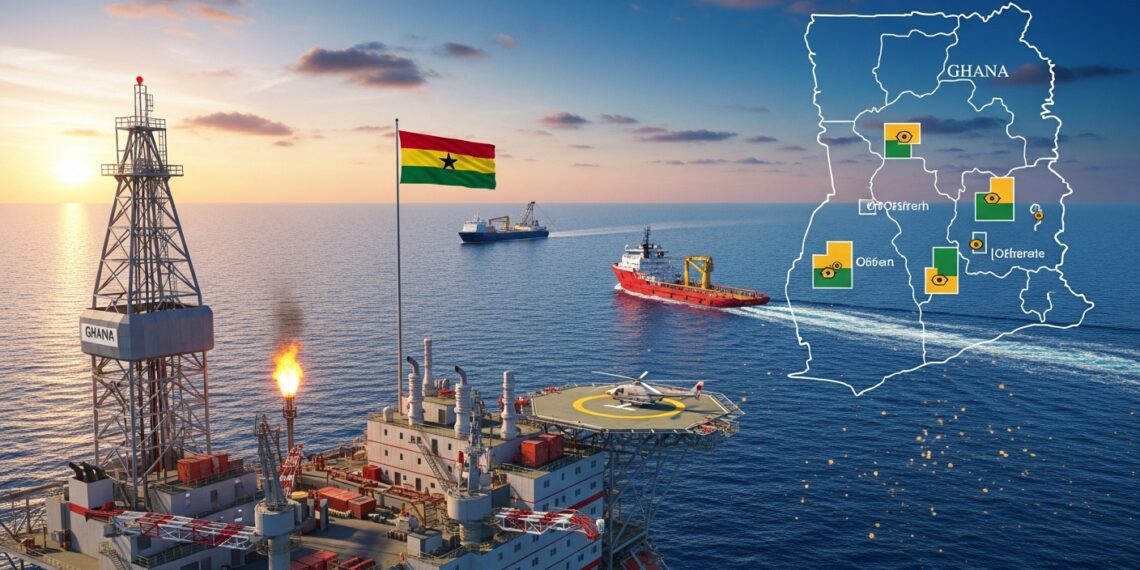
LPG is particularly relevant because its development intersects with Ghana’s wider energy-transition conversation while remaining firmly embedded in the existing petroleum value chain.
Consequently, strengthening the institutions and relationships supporting the LPG market is as important as expanding the market itself.
COMAC’s engagement with Anasset can be viewed within that broader framework.
“COMAC appreciates the visit and looks forward to building on the engagement and exploring opportunities for continued collaboration with Anasset Company Limited.”
The statement leaves open the possibility of deeper cooperation without suggesting that a formal partnership has already been concluded.
That measured approach is important. Industry collaboration becomes meaningful when it progresses from courtesy engagements into sustained information exchange, technical discussions and practical action where common interests exist.
For Ghana’s LPG market, that could mean stronger communication between marketers, better understanding of operational challenges and more coordinated engagement on issues affecting safety and efficiency.
Ultimately, the importance of the COMAC-Anasset engagement lies not in the courtesy visit itself, but in what sustained dialogue could produce afterwards.
As Ghana seeks a downstream petroleum sector that is safer, more efficient and increasingly responsive to changing energy needs, stronger links between industry participants can help ensure that LPG growth is matched by the institutional and operational capacity needed to sustain it.