• About
  • Advertise
  • Privacy Policy
  • Contact
Friday, September 18, 2026
  • Login
The Vaultz News
  • Top Stories
  • News
    • General News
    • Education
    • Health
    • Opinions
  • Economics
    • Economy
    • Finance
      • Banking
      • Insurance
      • Pension
    • Securities/Markets
  • Business
    • Agribusiness
    • Vaultz Business
    • Extractives/Energy
    • Real Estate
  • World
    • Africa
    • America
    • Europe
    • UK
    • USA
    • Asia
    • Around the Globe
  • Innovation
    • Technology
    • Wheels
  • Entertainment
  • 20MOBPL2DNew
  • Jobs & Scholarships
    • Job Vacancies
    • Scholarships
No Result
View All Result
The Vaultz News
  • Top Stories
  • News
    • General News
    • Education
    • Health
    • Opinions
  • Economics
    • Economy
    • Finance
      • Banking
      • Insurance
      • Pension
    • Securities/Markets
  • Business
    • Agribusiness
    • Vaultz Business
    • Extractives/Energy
    • Real Estate
  • World
    • Africa
    • America
    • Europe
    • UK
    • USA
    • Asia
    • Around the Globe
  • Innovation
    • Technology
    • Wheels
  • Entertainment
  • 20MOBPL2DNew
  • Jobs & Scholarships
    • Job Vacancies
    • Scholarships
No Result
View All Result
The Vaultz News
No Result
View All Result
in General News

Kwesi Pratt: Constitutional Amendments Alone Cannot Fix Ghana’s Governance Crisis

Evans Junior Owuby Evans Junior Owu
September 18, 2026
Reading Time: 6 mins read
Add as Preferred on Google
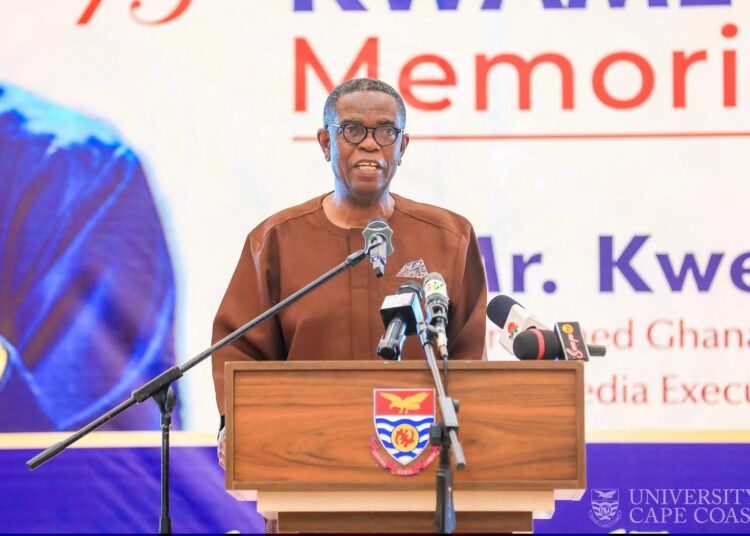
Kwesi Pratt Jnr. delivers the opening lecture of the 15th Kwame Nkrumah Memorial Lectures at the University of Cape Coast, where he argued that no constitution enforces itself. Photo: University of Cape Coast

Kwesi Pratt Jnr. delivers the opening lecture of the 15th Kwame Nkrumah Memorial Lectures at the University of Cape Coast, where he argued that no constitution enforces itself. Photo: University of Cape Coast

Veteran journalist and Managing Editor of the Insight newspaper, Kwesi Pratt Jnr., has argued that amending the 1992 Constitution will not, by itself, resolve the constitutional troubles Ghana keeps returning to. He made the case at the University of Cape Coast while delivering the opening lecture of the 15th Kwame Nkrumah Memorial Lectures, held on September 17, 2026.

His argument rests on a distinction between the text and the people who operate it, since he accepts that parts of the document are defective while insisting that the recurring crises come from conduct rather than drafting. He also warned that review campaigns can end up shielding the very officeholders whose behaviour produces the crises in the first place.

Why Amendments Alone Will Not Hold

Speaking on the theme “Kwame Nkrumah, Yesterday, Today and Tomorrow: Perspectives on Constitutionalism, Development and Pan-Africanism,” Mr Pratt located the problem in the distance between Ghana’s economic conditions and the promises written into its supreme law.
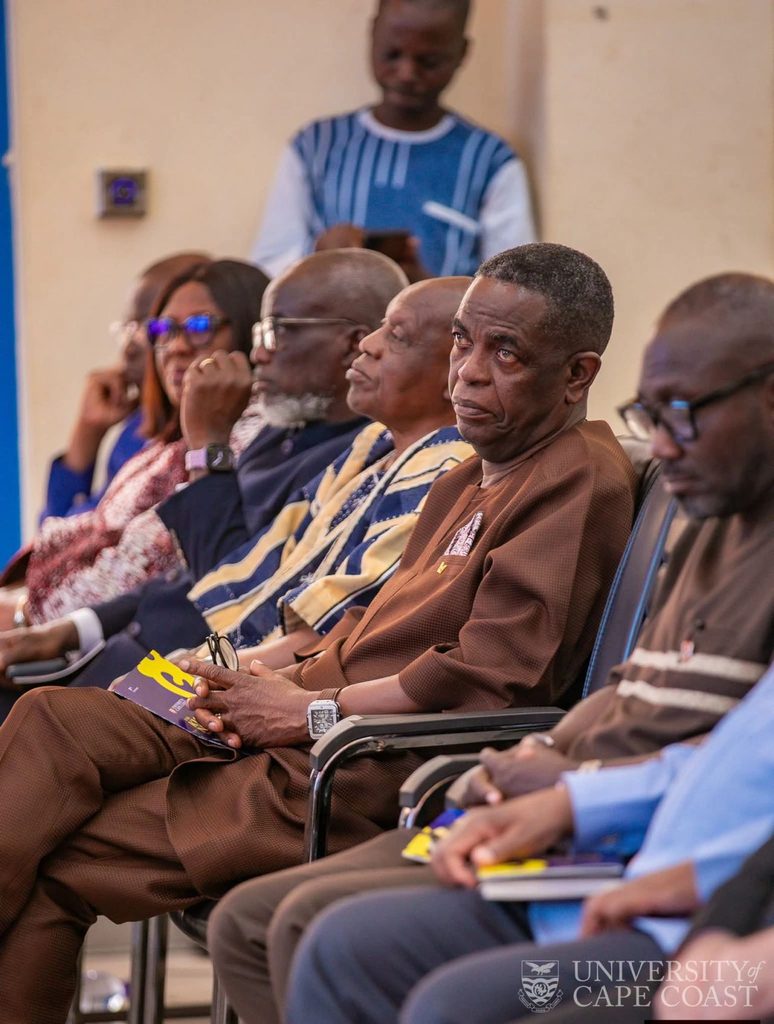
Kwesi Pratt Jnr. sitting at the lecture of the 15th Kwame Nkrumah Memorial Lectures at the University of Cape Coast, where he argued that no constitution enforces itself. Photo: University of Cape Coast

“In that tension, the poor and the marginalised always lose out,” he said. From there he pressed the point to its conclusion, rejecting the idea that any wording can do the work of institutions. “No formulation of words on a piece of paper will protect the poor against rapacious elites. No constitution enforces itself. No constitution in the world enforces itself.”

ADVERTISEMENT

He does not dismiss the case for correcting textual flaws, but he refuses to accept drafting as the explanation for what has gone wrong. “Continual constitutional crisis cannot be explained by poor drafting and review, although defects in the text are real and must be corrected,” he said.

He cautions that attention follows the document. A national debate about clauses and referendum questions can absorb energy that might otherwise go to scrutinising those entrusted with power.

A Charge Sheet For Parliament And The Courts

Mr Pratt turned that critique on the political class of the Fourth Republic, accusing successive administrations of overreach, mismanagement of national resources and disregard for the rights of citizens.

He extended the assessment to the institutions meant to check the executive. Parliament, he argued, has frequently failed to hold the executive to account. The Supreme Court drew a related criticism. Mr Pratt contended that its interpretation of constitutional law has not consistently empowered ordinary citizens to challenge abuses by those in authority.

Taken together, the two observations support his central claim. If the legislature declines to scrutinise and the courts limit citizen redress, stronger clauses inherit the same weak machinery.

ADVERTISEMENT

Nkrumah’s Constitutional Strategy

The lecture then turned to Ghana’s first President, whose approach Pratt offered as a counterexample.

He said constitutional reform during the independence struggle was never separable from broader political and economic transformation, and Dr Kwame Nkrumah treated constitutional change as a strategic instrument to move the Gold Coast from colonial rule to self-government and then to full independence.
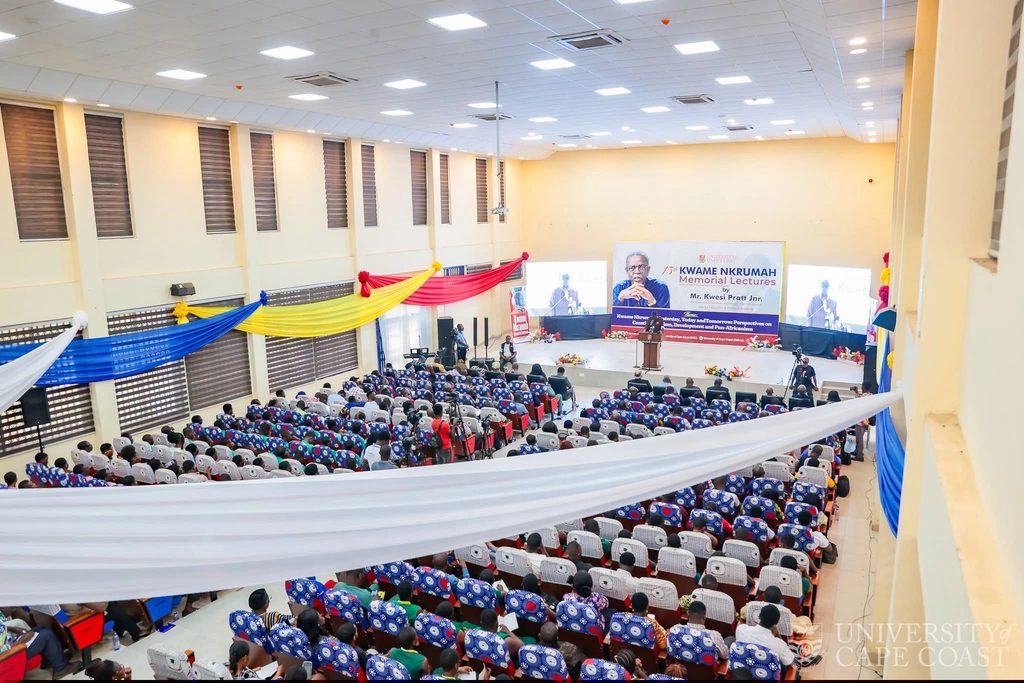
A full auditorium at the University of Cape Coast for the 15th Kwame Nkrumah Memorial Lectures, delivered on the theme "Kwame Nkrumah, Yesterday, Today and Tomorrow: Perspectives on Constitutionalism, Development and Pan-Africanism." Photo: University of Cape Coast
A full auditorium at the University of Cape Coast for the 15th Kwame Nkrumah Memorial Lectures, delivered on the theme “Kwame Nkrumah, Yesterday, Today and Tomorrow: Perspectives on Constitutionalism, Development and Pan-Africanism.” Photo: University of Cape Coast

In Mr Pratt’s account, what made that instrument effective was the base beneath it. Nkrumah converted an elite-led nationalist campaign into a mass movement that drew in workers, farmers, market women and students, and after the Convention People’s Party was formed in 1949, it built rallies, campaigns and grassroots structures that pushed the demand for immediate self-government.

ADVERTISEMENT

Mr Pratt described the Positive Action campaign as disciplined non-violent resistance running through strikes, boycotts, press activism and non-cooperation with the colonial authorities.

He was firm about how that tactic should be read. “Nonviolence was not a weakness. It required courage, organisation and restraint. It was not passive. It was active resistance.” Nkrumah supported constitutional reform while opposing arrangements that preserved colonial domination and postponed self-rule, Mr Pratt said.

The constitutional developments of 1951, 1954 and 1956, combined with repeated CPP electoral victories, cleared the path to independence on 6 March 1957, in a sequence where mobilisation forced reform and reform was then used to advance sovereignty.

Rereading The Economic Record

A substantial part of the lecture contested the familiar verdict on Nkrumah’s economic management. Ghana inherited a colonial economy built on exporting cocoa, gold and timber while importing manufactured goods, Mr Pratt said, and political independence would have remained incomplete without changing that structure.
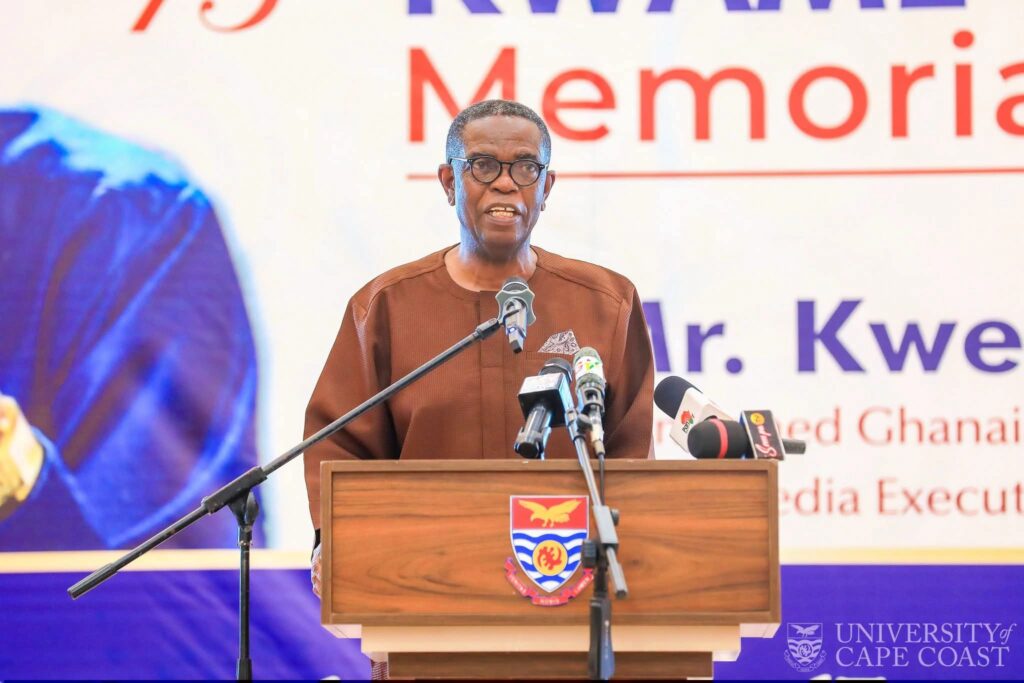
Kwesi Pratt Jnr. delivers the opening lecture of the 15th Kwame Nkrumah Memorial Lectures at the University of Cape Coast, where he argued that no constitution enforces itself. Photo: University of Cape Coast

The Seven-Year Development Plan, in his account, aimed at industrialisation, diversification, agricultural modernisation, infrastructure expansion, human capital development and closer African economic integration.

He pointed to the factories, power generation, roads, schools, universities, hospitals, ports and housing built in that period as an attempt to create productive capacity rather than consumption.

He did not present the record as untroubled, acknowledging falling cocoa prices, rising external debt, inflation, shortages and administrative constraints. What he rejected was the conclusion drawn from them. “The claim, repeated by Nkrumah’s ideological opponents, that he simply destroyed Ghana’s economy, is too crude to survive any serious examination.“

The better test, he suggested, is whether state investments built productive capacity, were well managed, and returned enough to meet the country’s obligations. He noted that continuing dependence on raw material exports, thin industrialisation, debt, foreign exchange pressure and unemployment suggest the structural weaknesses Nkrumah targeted are still with us.

The Preventive Detention Act Question

Mr Pratt did not avoid the most contested element of that era. He set out the Nkrumah government’s justification for the Preventive Detention Act, which allowed detention without trial, citing bomb attacks, assassination attempts, violent conspiracies and threats to a young state.
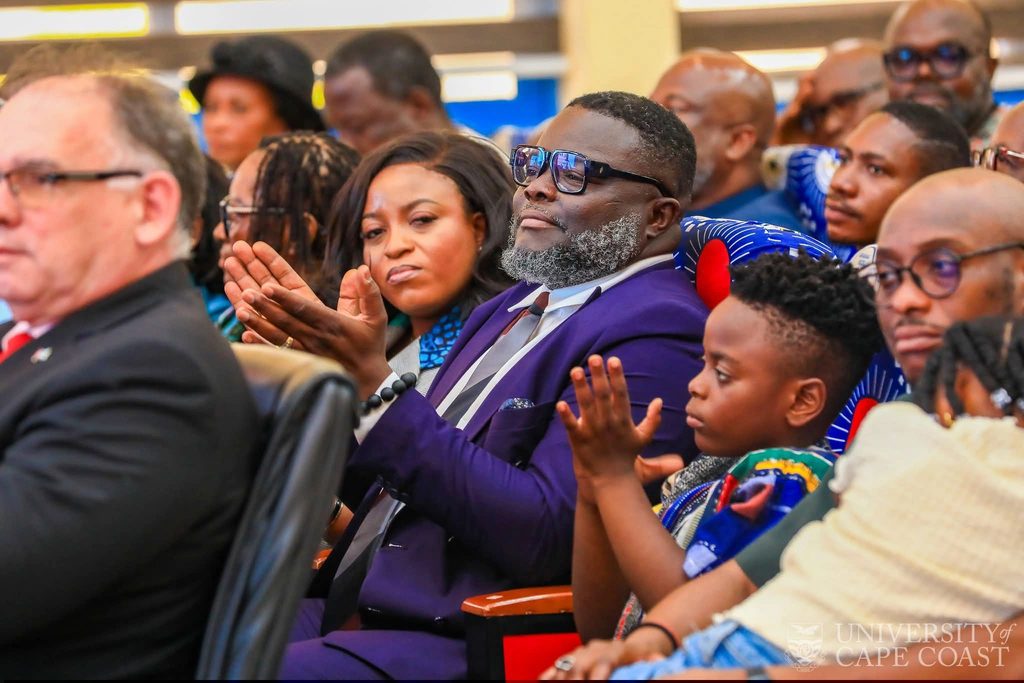
Members of the audience applaud during the lecture, which devoted a substantial section to Nkrumah's economic record and the Seven-Year Development Plan. Photo: University of Cape Coast
Members of the audience applaud during the lecture, which devoted a substantial section to Nkrumah’s economic record and the Seven-Year Development Plan. Photo: University of Cape Coast

He also accepted the weight of what such a power means. Any administration that uses it, he said, must answer for its human consequences, and he urged that any discussion of the period also account for the violence directed at Nkrumah himself.

The unresolved question is what his argument asks of Ghanaians now. A country preparing to vote on amendments is being told that the ballot is the easier half of the work.

READ ALSO: Mahama, IFC’s Makhtar Diop Eye Big Investment Push in Agriculture, Infrastructure

ADVERTISEMENT

Sign Up to Our Newsletter

Fresh updates, Straight to your inbox

Tags: 1992 ConstitutionconstitutionalismConvention People's PartyFourth RepublicGhana constitutional reformKwame NkrumahKwesi PrattPreventive Detention ActSeven-Year Development PlanUniversity of Cape Coast
Please login to join discussion
Previous Post

Badenoch Threatens Legal Challenge Over Council Tax Hike

Next Post

Ministry of Health Pushes Clear Food Labels To Curb NCDs

Related Posts

Ghana Health Service
General News

Ministry of Health Pushes Clear Food Labels To Curb NCDs

September 18, 2026
Honourable Dominic Nitiwul
General News

Two Weeks Cannot Resolve Ghana’s Drug Probe — Former Defence Minister

September 18, 2026
Deputy Minister for Roads and Highways, Hon. Alhassan Suhuyini
General News

Big Push: Dep. Roads Minister Says Western North Roads Show Real Progress

September 17, 2026
Coalition of Unemployed Trained Teachers
General News

 2023 Unemployed Trained Teachers Plead with Government for Posting

September 17, 2026
ADVERTISEMENT

Sign Up to Our Newsletter

Fresh updates, Straight to your inbox

ADVERTISEMENT

Recent News

Lee Jae-myung of the Democratic Party.

South Korea Rules Out Troops For Iran War

September 18, 2026
GH¢48.9m Trades Shake GSE as Index Loses Ground

GH¢48.9m Trades Shake GSE as Index Loses Ground

September 18, 2026
Derek Sarfo

British-Ghanaian Rapper Sway Dies at 44 in Ghana

September 18, 2026
Ghana Health Service

Ministry of Health Pushes Clear Food Labels To Curb NCDs

September 18, 2026
Kwesi Pratt Jnr. delivers the opening lecture of the 15th Kwame Nkrumah Memorial Lectures at the University of Cape Coast, where he argued that no constitution enforces itself. Photo: University of Cape Coast

Kwesi Pratt: Constitutional Amendments Alone Cannot Fix Ghana’s Governance Crisis

September 18, 2026
ADVERTISEMENT
Next Post
Ghana Health Service

Ministry of Health Pushes Clear Food Labels To Curb NCDs

The Vaultz News

Copyright © 2025 The Vaultz News. All rights reserved.

Navigate Site

  • About
  • Advertise
  • Privacy Policy
  • Contact

Follow Us

Welcome Back!

Login to your account below

Forgotten Password?

Retrieve your password

Please enter your username or email address to reset your password.

Log In
No Result
View All Result
  • Top Stories
  • News
    • General News
    • Education
    • Health
    • Opinions
  • Economics
    • Economy
    • Finance
      • Banking
      • Insurance
      • Pension
    • Securities/Markets
  • Business
    • Agribusiness
    • Vaultz Business
    • Extractives/Energy
    • Real Estate
  • World
    • Africa
    • America
    • Europe
    • UK
    • USA
    • Asia
    • Around the Globe
  • Innovation
    • Technology
    • Wheels
  • Entertainment
  • 20MOBPL2D
  • Jobs & Scholarships
    • Job Vacancies
    • Scholarships

Copyright © 2025 The Vaultz News. All rights reserved.

This website uses cookies. By continuing to use this website you are giving consent to cookies being used. Visit our Privacy and Cookie Policy.