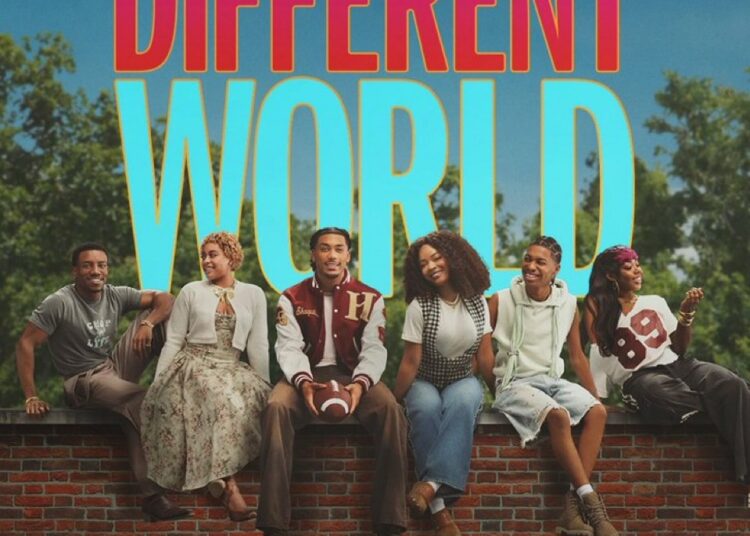
The revival of the classic sitcom A Different World has claimed the top spot on Netflix’s U.S. charts just days after its premiere, drawing widespread praise for its blend of nostalgia, fresh storytelling, and timely exploration of life at a historically Black college.
Created and showrun by Felicia Pride, the 10-episode single-camera series dropped on September 24, 2026 exactly 39 years after the original NBC show debuted. It quickly climbed the rankings, fueled by strong viewer engagement and social media buzz celebrating its return to the fictional Hillman College.
Black Film Alerts and other accounts highlighted the surge, noting the series’ warm reception as fans both old and new tuned in.
The story centers on Deborah Wayne, played by Tony and Grammy Award-winning actress Maleah Joi Moon. Deborah is the free-spirited, kindhearted yet rebellious youngest daughter of original characters Dwayne Wayne (Kadeem Hardison) and Whitley Gilbert-Wayne (Jasmine Guy). As she begins her freshman year at her parents’ alma mater, she navigates the challenges of forging her own path while living in the long shadow of Hillman legacy.
Surrounding her is a new ensemble of students who reflect the diversity of contemporary Black campus life: first-generation criminal justice major Rashida Duvall (Alijah Kai), five-star athlete Shaquille Johnson (Cornell Young IV), psychology major Amir Rodale (Jordan Aaron Hall), small-town church-raised Hazel Henry (Kennedi Reece), and Ghanaian-Nigerian fashion entrepreneur Kojo Achebe (Chibuikem Uche).
Many beloved original cast members return in meaningful roles. Jasmine Guy and Kadeem Hardison reprise their iconic parts as parents still deeply connected to the campus. Cree Summer, Charnele Brown, Darryl M. Bell, Dawnn Lewis, Jenifer Lewis, and others appear as mentors, alumni, or faculty, creating an intergenerational bridge that Pride has emphasized as essential to the show’s spirit.
Debbie Allen, a pivotal force in the original series as producer and director of dozens of episodes, returns as executive producer and director of the premiere, among other episodes.
Pride, whose previous credits include Bel-Air, Grey’s Anatomy, and Queen Sugar, approached the project with both reverence and a clear vision for evolution. She has spoken about preserving four core pillars from the original: the warmth and heartfelt feeling of the series, the sense of community and chosen family, authentic immersion in HBCU culture and texture, and a commitment to political consciousness.
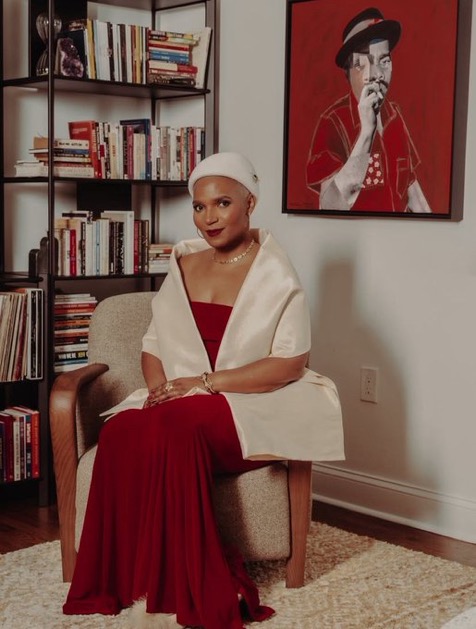
“As someone who grew up watching the original series in real time, it was very important for us to bring over the spirit of the original show, but also make sure that we were evolving the show some 40 years later for a new generation,” Pride has said.
About the Series
The series shifts from the multi-camera sitcom format of the 1987–1993 original to a single-camera dramedy, allowing for a more cinematic look and deeper emotional range. Filmed primarily in Atlanta on the campuses of Clark Atlanta University, Spelman College, and Morehouse College within the Atlanta University Center, the production prioritized authenticity.
Current and former HBCU students served as consultants, production assistants, and background performers. The writers’ room and directing team were all-Black, with significant representation among department heads.
Themes address issues relevant to today’s students and institutions: funding pressures on HBCUs, immigration enforcement on campus, mental health, LGBTQ+ experiences, financial aid struggles, activism, and the push-and-pull of family expectations versus personal growth. One storyline involving ICE presence on campus has drawn particular attention for its grounded approach.
At the same time, the show retains the humor, romance, friendships, and aspirational energy that made the original a cultural touchstone. The original series has long been credited with helping boost HBCU enrollment during its run; the new iteration aims to introduce a new generation to that same sense of possibility and belonging.
The opening theme receives a fresh interpretation performed by Brandy, continuing a musical lineage that once featured Aretha Franklin. Executive producers include Debbie Allen, Mandy Summers, Tom Werner, Gina Prince-Bythewood, and Reggie Rock Bythewood, alongside Pride.
Critics have largely responded positively. Early reviews describe the series as fun, thoughtful, and messy in the best collegiate sense-successfully balancing nostalgia with modern relevance. Viewers on social platforms have praised the chemistry among the young cast, the seamless integration of returning stars, and the show’s refusal to soft-pedal contemporary realities while still delivering heart and humor.
Pride has acknowledged the weight of the assignment. Handpicked by Allen after their collaboration on Grey’s Anatomy, she initially felt the pressure of handling material so beloved to so many, including herself. Yet the timing felt urgent. Allen’s insistence that the moment had arrived to hear from young Black America helped persuade her. The result is a series that treats Hillman not as a museum piece but as a living, evolving community.
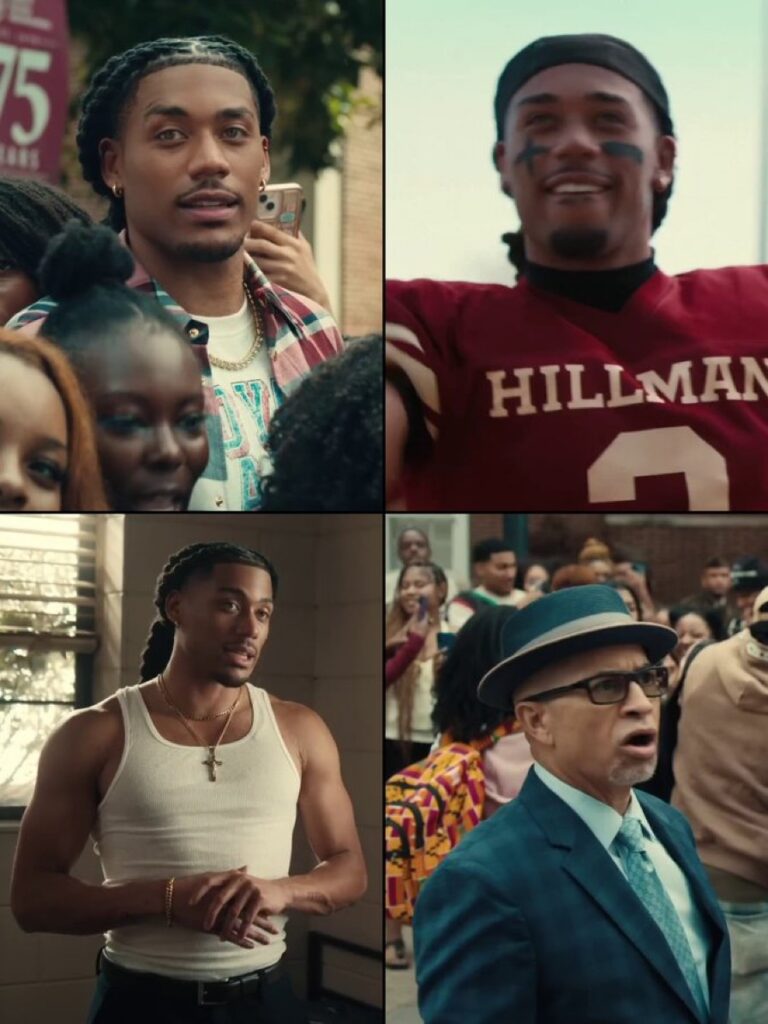
As A Different World sits at number one, its rapid rise highlights the enduring appetite for stories centered on Black college life told with care, specificity, and joy. The full season is now streaming on Netflix, inviting audiences to enroll once more at Hillman and discover what a different world looks like in 2026.
READ ALSO:Mahama Targets Africa’s Colonial Trade Routes In AU Chairmanship Plan