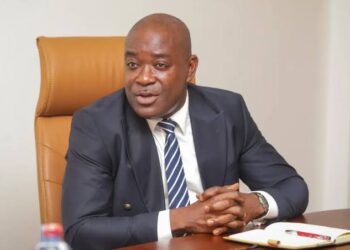

Professor H. Kwasi Prempeh, Executive Director of the Ghana Center for Democratic Development (CDD-Ghana), has called on the government to adopt an urban mass transit plan that steadily reduces the share of trotros in Accra’s commuter transport.
He made the call in a written reflection shared days after the Ayalolo BRT contraflow lanes took effect on three Accra corridors, where BRT buses now travel against general traffic during peak hours.
Professor Prempeh, who chaired Ghana’s 2025 Constitution Review Committee, argued that phasing out old, polluting and low-capacity trotros would be a sensible first move.
He insisted, however, that government must first publish a plan with a clear timetable and implementation milestones, since that would reduce the political cost of a reform touching one of the most entrenched parts of daily life in the capital.
Lessons From the Era of Mammy Trucks
The CDD-Ghana Executive Director opened his reflection with a look back at the wooden passenger lorries, known as mammy trucks or tso lorry, that once shared Ghana’s roads with trotros as common commuter vehicles.

He pointed out that those lorries disappeared through government fiat, and suggested that decisive action of that kind has become harder under the Fourth Republic.
“If the wooden lorries had not been eliminated by government fiat long before our political parties started their race-to-the-bottom politics in this 4th Republic, we might still have them as a big part of our public transportation mix”.
Professor H. Kwasi Prempeh, Executive Director of the Ghana Center for Democratic Development (CDD-Ghana)
The comparison carries a pointed message. In his view, competitive party politics has made governments reluctant to take on powerful transport interests, even when the public benefit of reform is clear.
Why the CDD-Ghana Boss Wants a Mass Transit Plan
Professor Prempeh acknowledged that reducing the role of trotros would not come without pain. He conceded that successful implementation would carry short-term political costs, but maintained that no meaningful reform avoids producing both winners and losers.
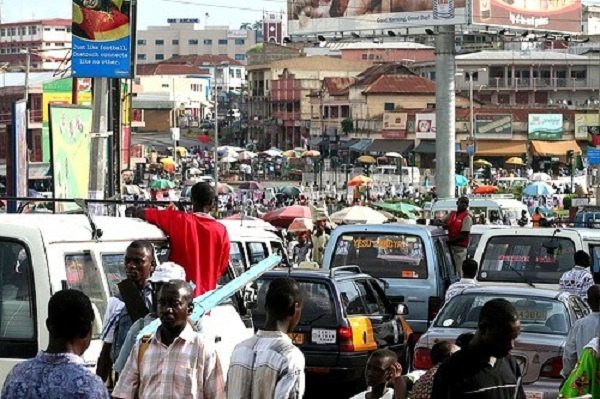
“If we were looking only for policies without costs, including transition costs, no social progress would be possible,” he wrote. He singled out over-age, decrepit, and polluting trotros as the natural starting point, describing them as low-capacity vehicles poorly suited to moving large numbers of commuters on busy urban routes.
His emphasis on a published timetable reflects a governance argument familiar from CDD-Ghana’s work: predictable rules, announced in advance, give affected groups time to adjust and make reform harder to derail.
A Debate Already Taking Shape on Accra’s Roads
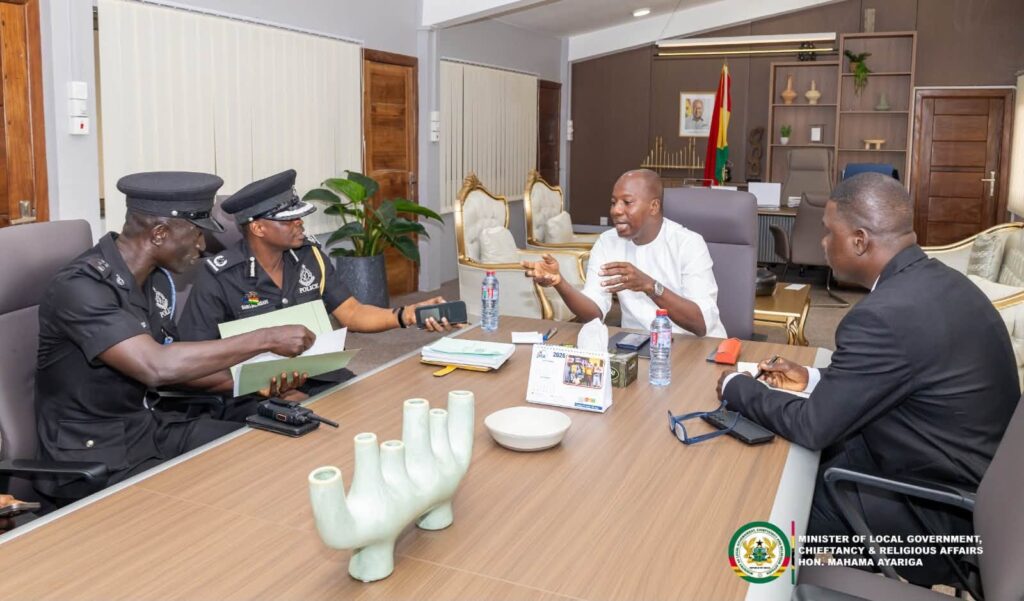
The timing of Professor Prempeh’s intervention places it squarely within a live policy conversation. Local Government Minister Mahama Ayariga has argued that the contraflow arrangement will drastically cut journey times and ease pressure from private vehicles on the Kasoa, Adenta and Amasaman corridors.
Earlier in the year, Vice President Professor Naana Jane Opoku-Agyemang also pledged new high-occupancy buses for Metro Mass Transit, Ayalolo and private operators, with the stated hope of reducing the number of trotros on congested roads.
What Professor Prempeh adds to that conversation is a demand for structure. New buses and priority lanes address supply, but his reflection argues that without a clear transition plan for the trotro sector, the mass transit agenda risks moving in fits and starts.
New Bus Stops and a Giffard Road Challenge
Professor Prempeh noted that new bus stops have begun appearing around Accra, and expressed hope that they signal preparation for large capacity buses to take over commuter transport on the busiest urban routes.
He then set out what he sees as the next priority: upgrading and relocating the city’s trotro stations. He named the station on Giffard Road near 37 as the place to begin, adding a pointed remark about its surroundings. “The Senegalese Embassy across the street deserves a far more decent neighbour,” he wrote.
The observation speaks to a broader concern about how Accra’s transport infrastructure shapes the capital’s public face, particularly in areas that host diplomatic missions and serve as gateways for visitors.
What Comes Next for Trotro Reform
Professor Prempeh’s reflection stops short of prescribing specific targets, but its direction is clear. He wants government to move beyond isolated interventions and commit to a published roadmap that sets out when and how older trotros will leave the busiest routes, and what will replace them.

Whether the Mahama administration takes up that challenge remains to be seen. Trotro operators and their unions remain a powerful constituency, and any timetable would require careful negotiation over compensation, fleet renewal and livelihoods.
As the first week of the Ayalolo BRT contraflow unfolds, Professor Prempeh’s intervention ensures that the debate over the future of Accra’s commuter transport will extend well beyond bus lanes.
READ ALSO: Executive Hijack of Ghana’s Policymaking Leaves Research on Shelves, Prof. Annim Warns