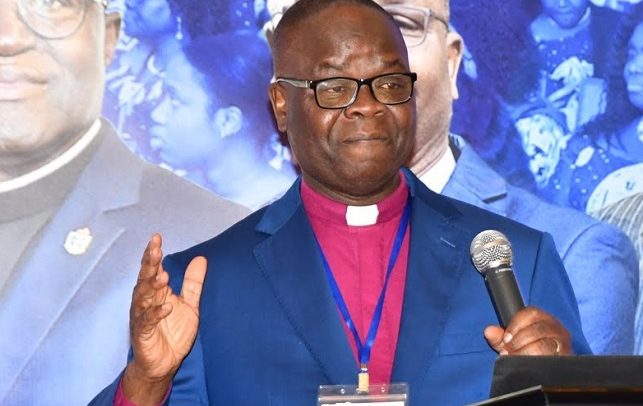
Rev. Enoch Nii Narh Thompson, Chairman of the Ghana Christian Council, has called for the explicit embedding of sustainable resource management principles into the nation’s ongoing constitutional review processes to safeguard the country’s natural wealth.
Speaking with The Vaultz News, the clergy leader emphasized that statutory reforms must prioritize environmental safeguards alongside economic returns.
The advocacy seeks to realign the fundamental law of the land with rigorous legal standards to curb resource depletion, unchecked environmental degradation, and the systemic neglect of host mining communities across the nation.
“The constitutional framework should therefore strengthen principles of sustainable exploitation, transparency, environmental protection, community participation, equitable distribution of benefits, accountability for environmental damage, and intergenerational responsibility. This is consistent with the recent sociological commitment to integrity of creation and stewardship and with strategic plan in environmental advocacy.”
Rev. Enoch Nii Narh Thompson
Expanding on this call, Rev. Thompson highlighted that a progressive constitutional blueprint must establish binding obligations on governance bodies, institutional regulators, and extractive industry actors operating within Ghana.
He noted that integrating statutory mechanisms for transparency, strict environmental accountability, and inclusive local participation will ensure that natural resource wealth yields broad-based prosperity rather than socio-ecological distress.
According to the Christian Council, reinforcing the legal framework ensures that mineral wealth directly serves civic development while establishing clear legal remedies against corporate negligence and unlawful environmental practices.
Imperative for Constitutional Reform in Extractives
The demand by the Ghana Christian Council highlights long-standing regulatory gaps in Ghana’s mining sector, where existing frameworks like the Minerals and Mining Act, 2006 (Act 703) have struggled to prevent widespread environmental devastation.
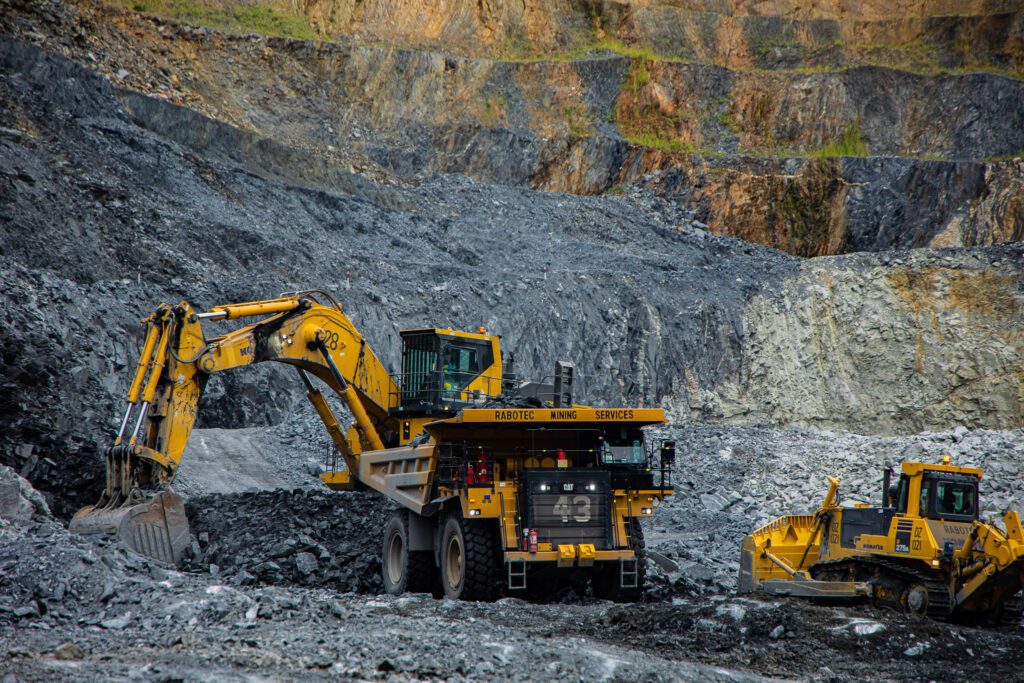
Decades of intensive gold, bauxite, and diamond mining have historically left severe ecological scars across resource-rich regions.
Unregulated mining practices popularly referred to as galamsey have caused the severe siltation and heavy metal contamination of major river bodies, including the Pra, Ankobra, and Birim rivers, threatening public health and municipal water supply systems.

By demanding that “accountability for environmental damage” be elevated to a constitutional command, the Christian Council targets the systemic impunity of illegal operators and negligent corporate entities.
Constitutionalizing environmental liability ensures that ecological restoration becomes a non-negotiable legal requirement rather than a secondary regulatory consideration.
Furthermore, the legal imperative for institutional reform stems from persistent challenges surrounding the economic leakage of resource revenues.
Despite Ghana ranking among the top gold producers in Africa, host mining communities often experience severe infrastructural deficits, youth unemployment, and land degradation.
Elevating the principles of “equitable distribution of benefits” to a constitutional mandate would legally obligate current and future governments to guarantee that mining royalties, statutory taxes, and local content initiatives directly develop host communities.
Protecting these principles within the primary legal code prevents policy reversal during administration changes, establishing an enduring standard for mineral governance.
Bridging Faith-Based Stewardship and Strategic Policy
The Christian Council’s intervention marks a decisive shift in religious advocacy, moving from moral exhortation toward concrete legislative engagement within the extractive sector.
By grounding its posture in a “sociological commitment to integrity of creation,” the Council aligns theological principles of stewardship with modern civic advocacy and environmental justice. Faith-based institutions in Ghana possess significant public trust and moral authority, making their active involvement in policy formulation a powerful catalyst for institutional reform.
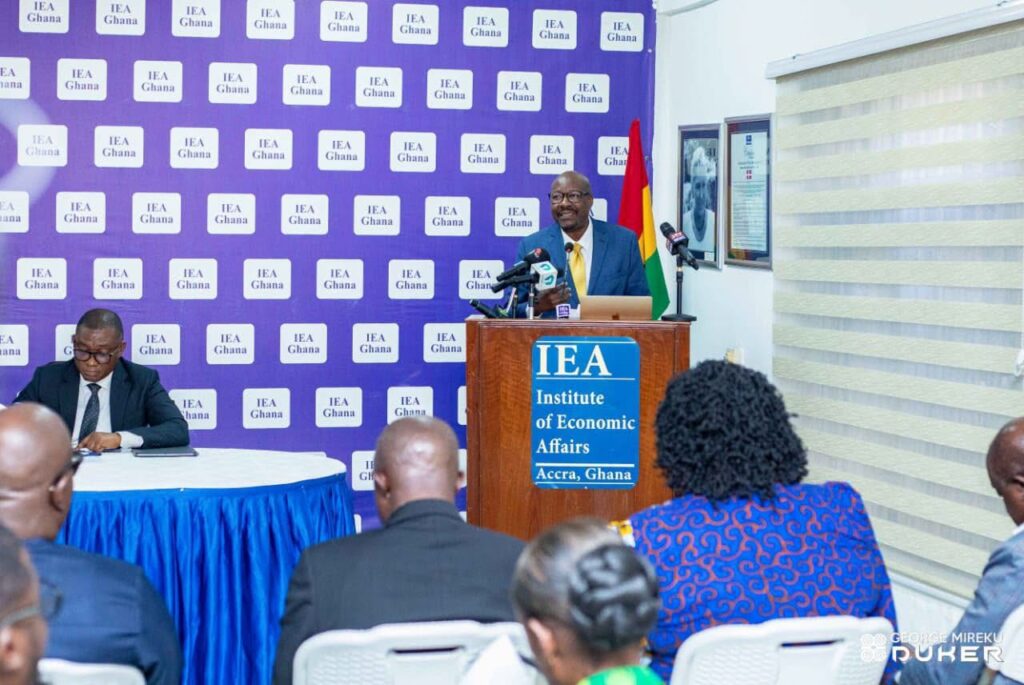
The Council’s partnership with policy think-tanks like the Institute of Economic Affairs reflects a deliberate strategy to bridge religious ethics with legislative action, ensuring that moral considerations directly shape national governance.
In addition, incorporating “intergenerational responsibility” into the supreme law ensures that current extractive activities do not compromise the survival and prosperity of future generations.
As global demand accelerates for critical energy-transition minerals such as lithium, graphite, and manganese Ghana stands at a pivotal developmental crossroads.
Without strong constitutional checks, rapid extraction risks repeating historical patterns of resource depletion and localized poverty.
Institutionalizing high-level principles of transparency and popular participation ensures that citizens maintain oversight over mineral concessions, commercial licensing, and sovereign wealth management, fostering a sustainable extractive economy.
Future Outlook for Mineral Governance Reform
The legislative trajectory of Ghana’s extractive industry depends on whether the constitutional review process incorporates these structured recommendations into enforceable constitutional provisions.
Civil society organizations, policy analysts, and environmental coalitions have increasingly echoed the Church’s stance, urging Parliament and the executive branch to avoid superficial regulatory adjustments.
Enshrining these core tenets into the constitution will establish binding legal benchmarks, enabling civic bodies to challenge environmentally destructive policies in the courts.
Ultimately, embedding mandatory sustainability standards within the constitution offers a permanent structural remedy to Ghana’s resource management challenges.
As legislative debates continue surrounding the Constitutional Review Committee’s report, the Christian Council’s stance sets a clear benchmark for natural resource governance.
By harmonizing economic extraction with statutory environmental protection, community equity, and rigorous institutional oversight, Ghana can transform its extractive sector into a stable foundation for long-term national development.
READ ALSO: Defeat Against The Gambia Doesn’t Make Me a Loser – Queiroz