
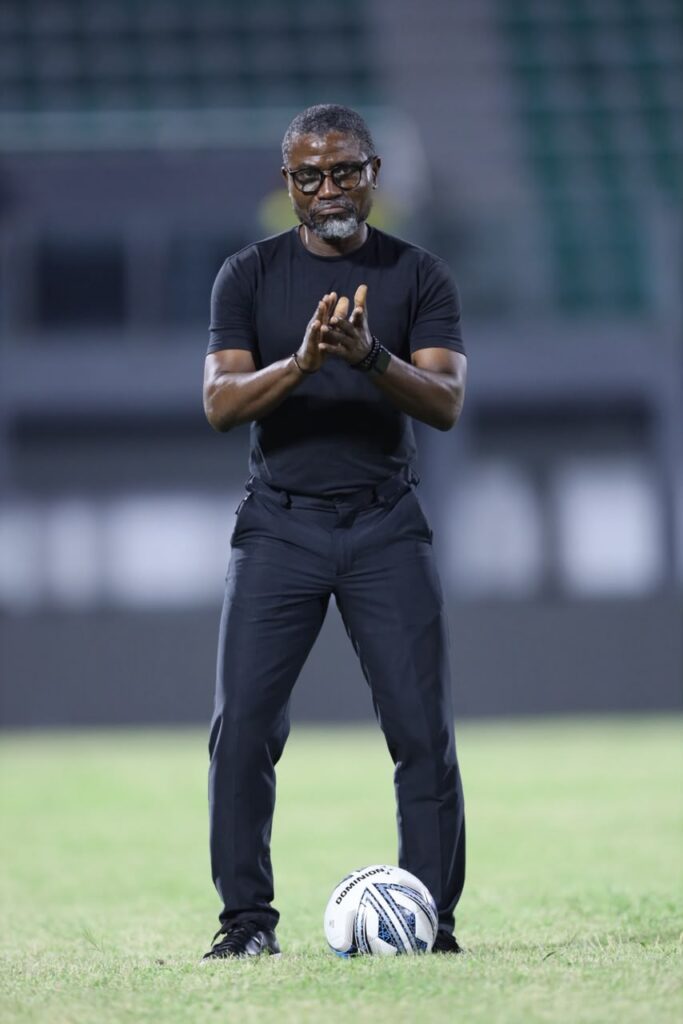
Laryea Kingston has warned that playing for a big-name club should no longer be enough to earn a place in the Black Stars, as the former Ghana international outlines the demanding standards he would apply if handed the vacant coaching position.
Kingston believes Ghana must become far more ruthless in assessing players, insisting that the level of competition they face and the amount of football they actually play for their clubs should influence selection.
His position comes as the Ghana Football Association continues the process of finding a replacement for Carlos Queiroz, with Kingston having previously expressed his willingness to take charge of the senior national team.
A search committee led by Fred Pappoe, former Vice President of the Ghana Football Association, has been formed to find the new Black Stars head coach.
The former midfielder is making his case at a particularly interesting time because his coaching career has taken a significant step forward since he left his position with Ghana’s Black Starlets last year.
Kingston is now responsible for Uganda’s U-17 and U-20 teams, giving him direct responsibility for developing the country’s next generation of international players.

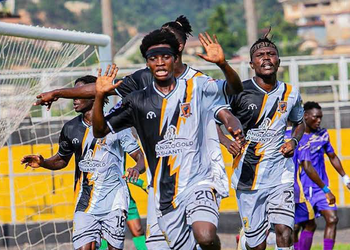
More significantly, he has already achieved something Ghana’s own youth setup failed to do. Kingston guided Uganda past Ghana in the playoff for a place at the 2026 FIFA U-17 World Cup.
Uganda defeated Ghana on penalties after a 2-2 draw in Morocco, securing one of Africa’s places at the global tournament and sending the Black Starlets out of contention.
The result has given Kingston a significant addition to his coaching credentials and an uncomfortable reference point as he seeks consideration for the Black Stars job. The man who previously worked within Ghana’s youth system has now taken another country’s youngsters to a World Cup at Ghana’s expense.
Kingston Wants Black Stars Selection to Be Earned
It is against that background that Kingston’s latest comments on player selection assume greater significance.
He argues that the Black Stars should begin by asking a fundamental question about every player under consideration: what level of football are they actually playing? “First of all, which level are you playing in? Your team and the level of league that you are playing, competition that you are playing in,” Kingston said.
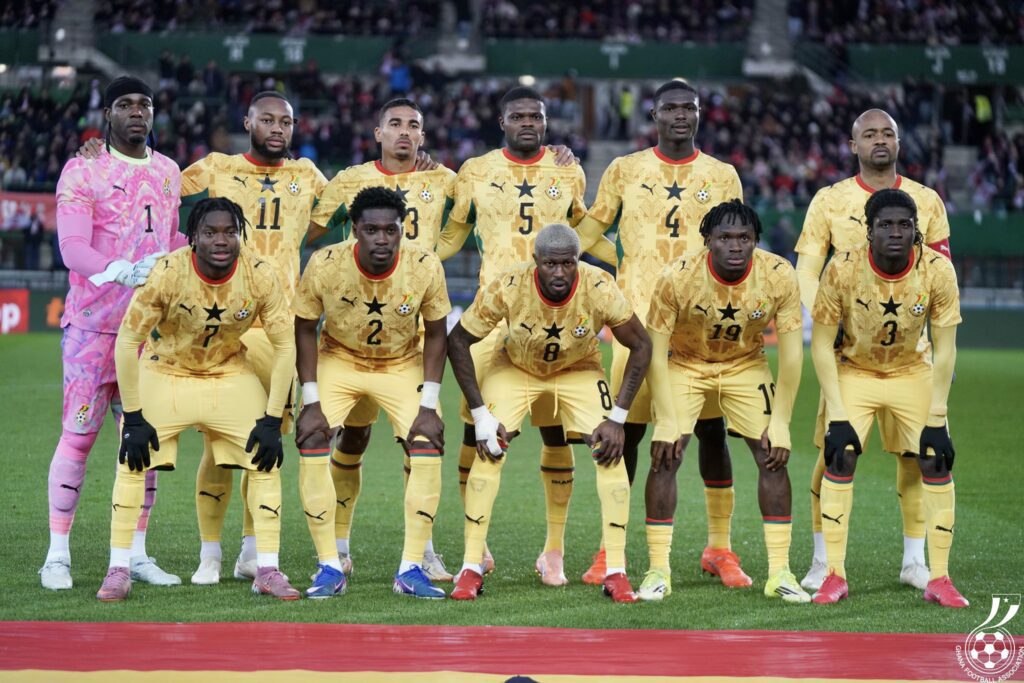
He believes Ghana should have a clear preference for players competing in the world’s strongest football leagues, rather than treating every professional league as equal. “It’s very important. First, a senior national team player should be playing, at least our target should be like top 10 football countries, top 10 leagues,” he explained.
According to the former Black Stars winger, a player playing outside of the strongest leagues must possess huge quality to have a look in into the national team setup. “Unless if you are outside top 10 leagues, you must be extraordinary,” he added.
But Kingston’s standard does not stop at the league in which a player is registered.
He wants the technical team to establish whether the player is actually contributing on the pitch, rather than selecting footballers simply because they are part of a prestigious club.
His next test is regular playing time.
Kingston wants a distinction to be made between players who are genuinely competing for their clubs and those who regularly appear on matchday squads but spend most games on the bench.
“So we focus on that. Then two, are the players regular, playing actively, not making the squad, but getting minutes? One, starting, getting minutes, we can work out and you look at the form of the players.”
Laryea Kingston, Ex-Black Stars international and current head coach, Uganda U-17 and U-20
That philosophy could represent a significant shift in how Ghana approaches international selection, particularly given the growing number of Ghanaian players competing abroad.
For Kingston, reputation cannot substitute for competitive sharpness. A player operating in a major league may have an advantage, but if he is not playing regularly, his club status alone should not guarantee a place in the Black Stars.
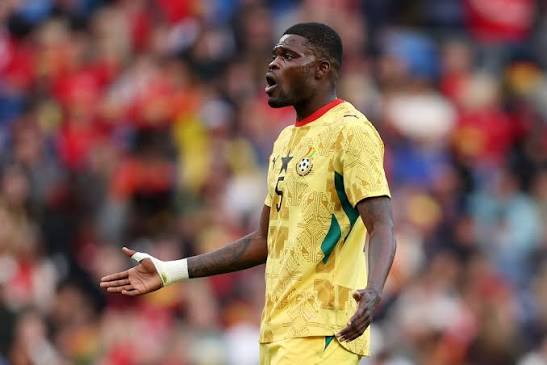
The argument also reflects the direction of Kingston’s own coaching career. Rather than remaining defined by his playing history, he has moved into youth development and taken responsibility for building competitive teams in Uganda.
His success against Ghana has now given him a result that will inevitably form part of the conversation surrounding his suitability for the senior job.
Kingston still has to convince the GFA that success at youth level can translate into managing Ghana’s senior team, a considerably different challenge with greater pressure, stronger personalities and higher expectations.
READ ALSO: GoldBod to Launch GoFX Platform for Commercial Bank Dollars