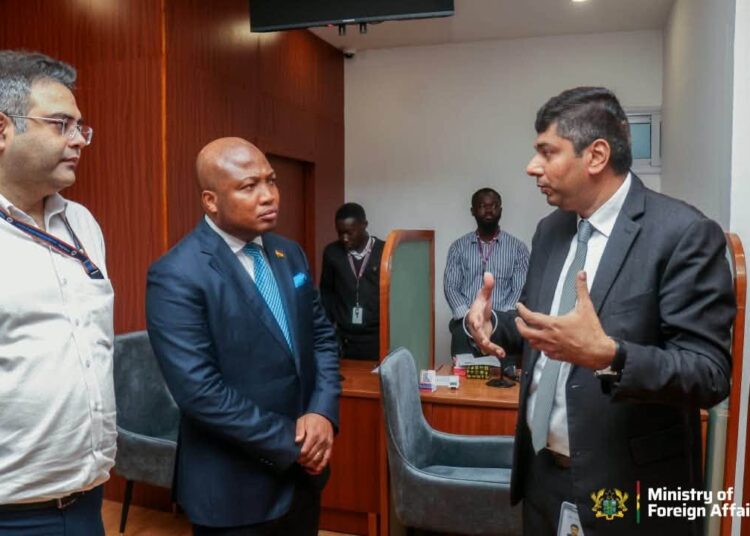
Foreign Affairs Minister Samuel Okudzeto Ablakwa has told foreign embassies to protect the dignity of Ghanaian visa applicants, after a working tour of more than 20 embassies and visa application centres. He announced the visit in a statement as it started, saying it let him speak directly with citizens about their experiences.
The tour follows a directive from his first weeks in office over long waits, poor waiting areas and applicants left exposed to the weather. He will present his findings to heads of mission in the coming days, seeking improvements the missions can make without any change to who is granted a visa.
Hon Ablakwa described the purpose of the tour in practical terms. “The working tour allowed me to see at first hand the current situation, and to have direct conversations with our fellow citizens on their experiences,” he said.
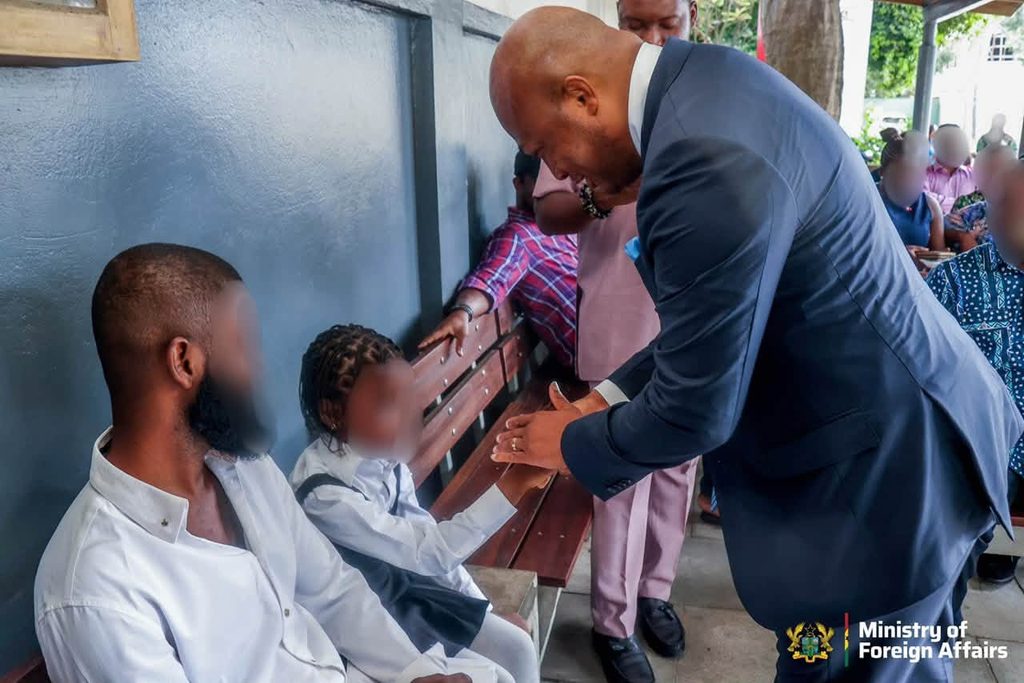
The statement does not name the embassies visited, list findings or say where the centres are, and the earlier campaign it builds on concerned foreign missions operating in Ghana. Heads of mission are due to hear the findings in the coming days.
The Directive That Came First
The visit follows his first weeks in office. Early in 2025, the Ministry sent a Note Verbale to every embassy and high commission in Accra, responding to public complaints about waiting areas, emergency services, appointment delays and difficulties with application websites.
Hon Ablakwa recalled that approach in his statement. In his first month, he said he urged missions to protect the dignity and welfare of Ghanaian applicants, to address long waits for appointments, and to make sure people are not “exposed and left at the mercy of the vagaries of the weather.”
Some 20 months later, he has gone to look for himself rather than rely on complaints. His verdict on the results is split. “I must acknowledge that substantial progress has been made by some missions, however, others must do more,” he said.
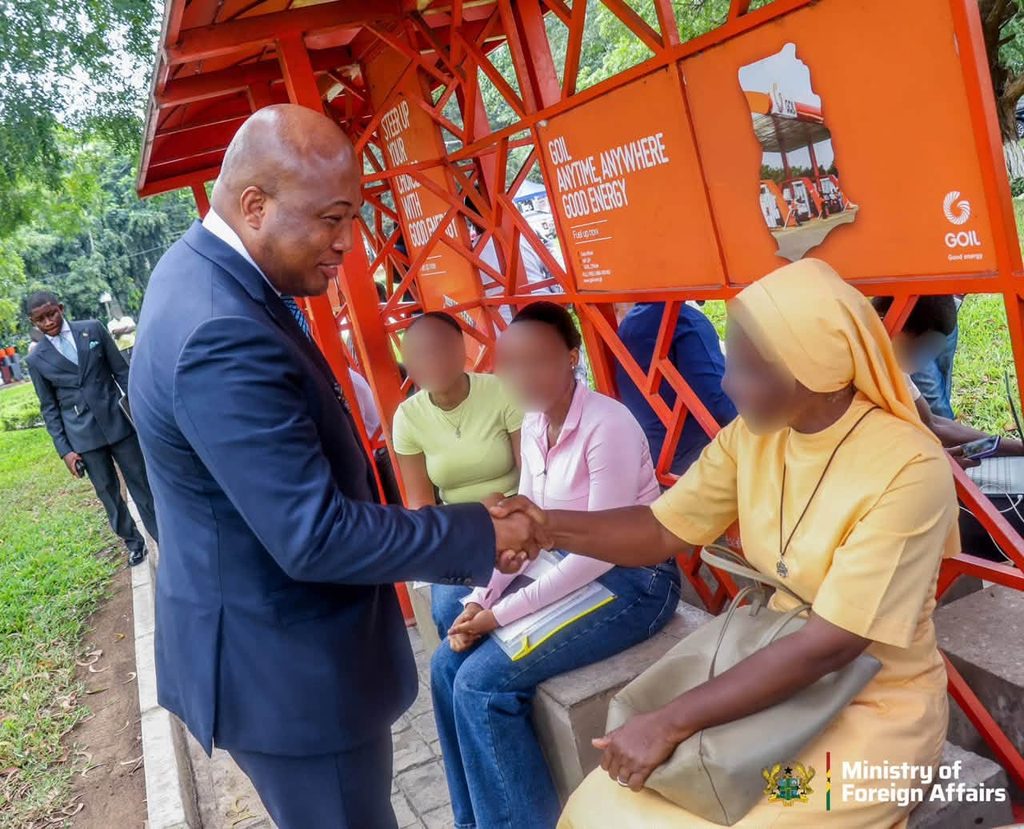
Some of that progress is visible. In March he praised the United States Embassy in Accra for cutting waiting times, and the embassy has opened thousands of extra appointment slots and is implementing a FIFA Pass system for World Cup ticket holders.
He named no mission on either side of the ledger. Without names, the statement gives applicants no way to tell which embassies are improving and no way to hold the others to account.
The Line He Will Not Cross
Hon Ablakwa drew a boundary around his role. “It is the prerogative of diplomatic missions to determine who qualifies for their visas; I shall not interfere with that,” he said.
The restriction reflects the nature of visa decisions. Granting entry is a sovereign function of the issuing state, and a foreign minister who tried to influence outcomes would invite the same interference at Ghanaian missions abroad.
What he does claim is authority over conditions, and he expects missions to act on them. The distinction lets him press hard on queues, shelter, emergency provision and booking systems while leaving refusals untouched, and it is the ground on which missions are most likely to cooperate.
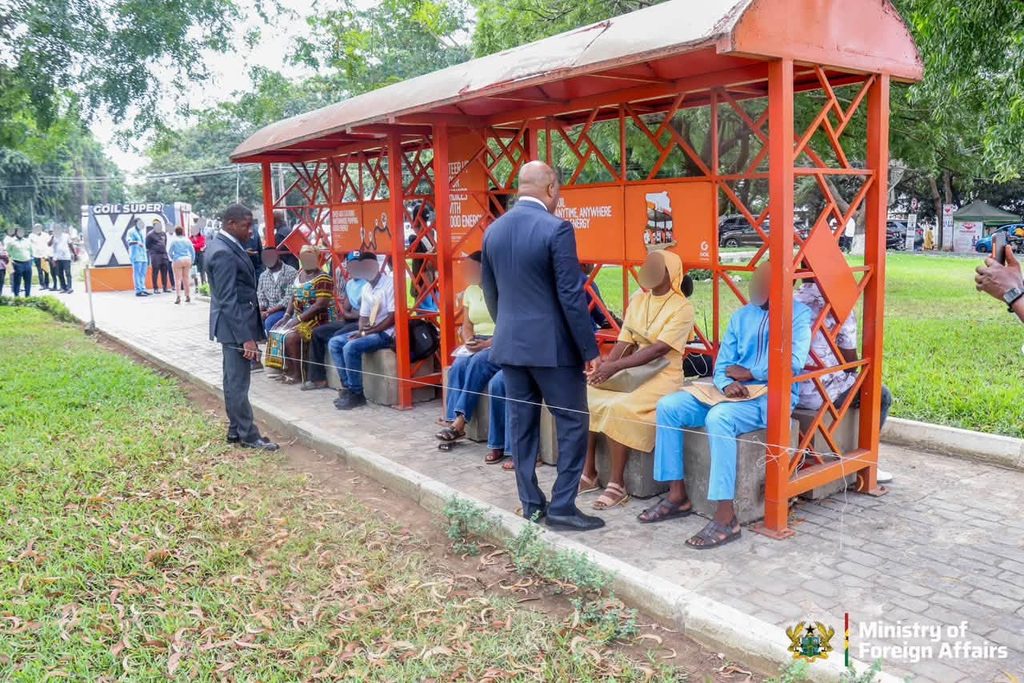
For most Ghanaians, the visa centre is the first point of contact with a foreign government. Ordinary Ghanaian passport holders still need visas for the large majority of destinations, and the relief on offer elsewhere is narrow.
Ghana agreed a visa-free arrangement with Zambia in February, allowing visits of up to 30 days. A waiver signed with Kyrgyzstan this year covers diplomatic and service passports only. Until broader deals arrive, the queue is the experience, and a long wait in open sun or rain for a decision that may still be a refusal is what he wants changed.
The standard he is setting also applies in the other direction. Ghana launched its own eVisa portal in May, and the way foreign applicants are treated at Ghanaian missions and at the border will be judged by the yardstick he is using abroad.
What To Watch
Hon Ablakwa has set a process but no deadline. He will meet heads of mission, and the test will be whether the conversations produce commitments that applicants can see, such as shelter, shorter waits and fewer booking failures.
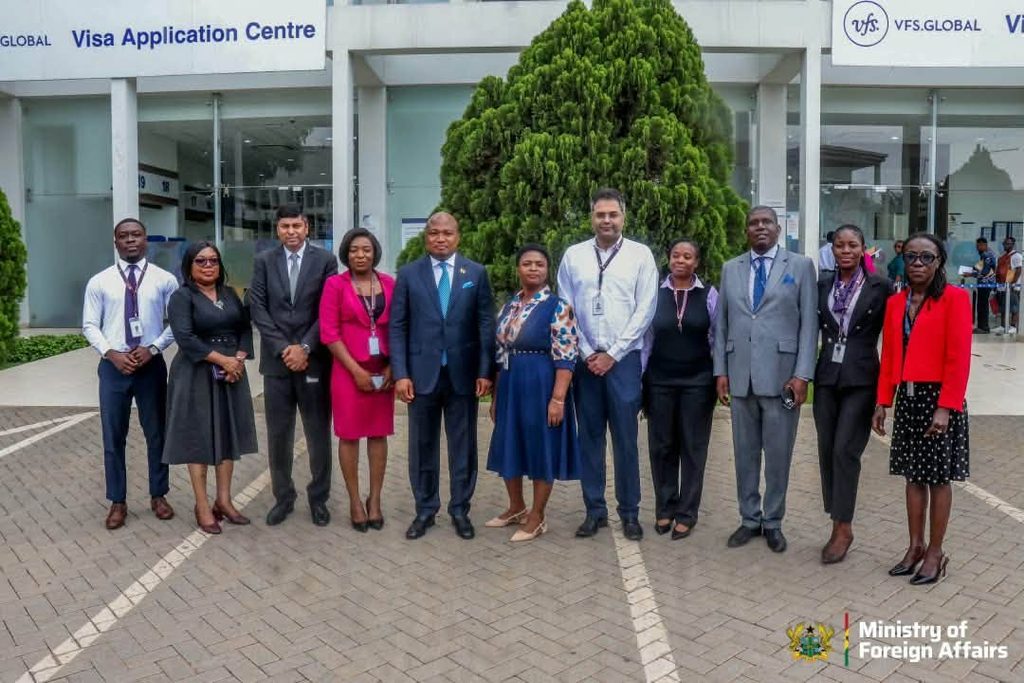
A published summary of what he found, with missions named alongside their performance, would add the pressure that private diplomacy cannot. Without it, the tour risks repeating the pattern of 2025, a firm message followed by uneven results.