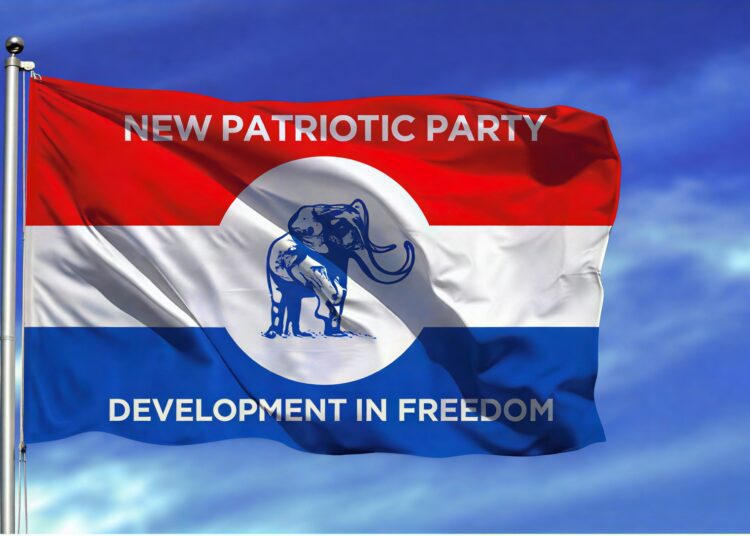
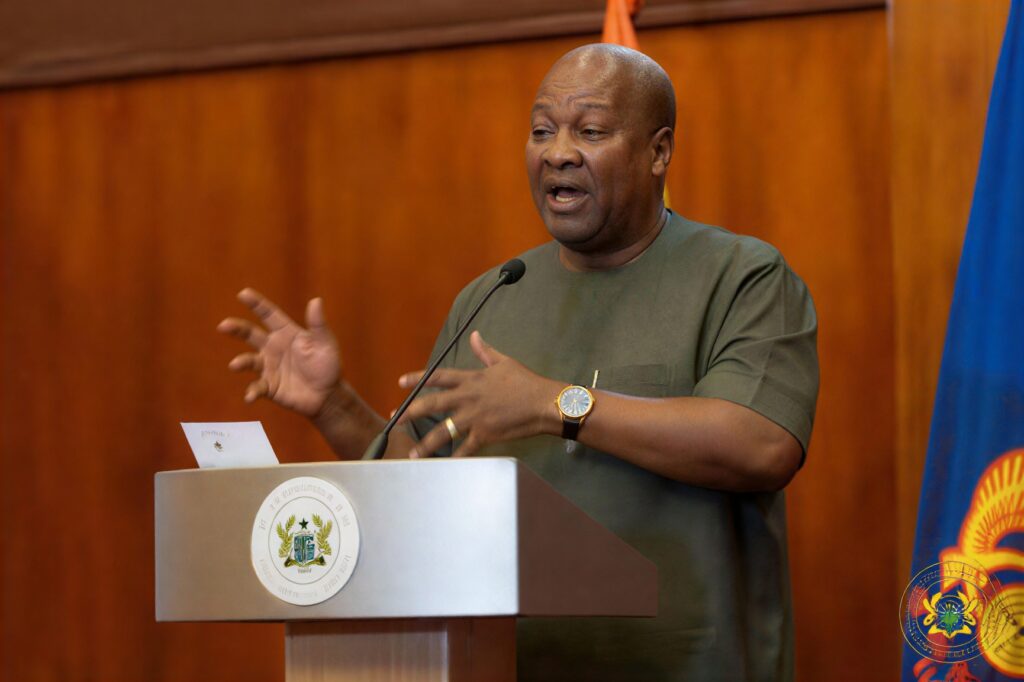
The NPP Russia Branch has called on the President of Ghana, His Excellency John Dramani Mahama to intervene in what it described as “the harassment and abuse of opposition members by security agencies.”
Speaking in an exclusive interview with Vaultz News, the branch’s Communications Officer, Abdul Razak Mohammed, urged President Mahama to engage the heads of the security institutions and ensure that the rights of political opponents are protected.
Mr Mohammed argued that President Mahama, having built his public career around communication and political expression, should recognise the importance of safeguarding citizens’ ability to speak freely. He further stressed that allegations of intimidation warrant direct presidential attention, particularly because the security agencies operate under the authority of the state.
“The President clearly sees all these things happening, and yet when it comes to human rights, he sits down and does not talk about it.”
Abdul Razak Mohammed
To back his case, the Communications Officer cited the arrest and remand of Salomey Baffoe, raising questions about the circumstances surrounding her detention. He recounted claims that she was arrested at about 11:00pm while she was with her children and that her family was subsequently unable to establish where she had been taken.
Citing another example, he referenced the attempted arrest of the Manhyia South MP, Honourable Nana Agyei Baffour, by an Economic and Organised Crime Office (EOCO) official, an incident he said “speaks ill of the security forces.”
For Mr Mohammed, these issues extend beyond the case of arrests of opposition figures. He explained that the party’s position is to ensure that lawful procedures and fundamental rights are respected regardless of political affiliation.
He therefore called on President Mahama to demand accountability from the institutions responsible for enforcing the law, adding, “so if he wants to redeem himself, then he should hold a meeting with the heads of the security to talk to them about this persecution and this abuse of power.”
Beyond this issue, Mr Mohammed connected the matter to the broader political environment, warning that when citizens feel unable to express themselves freely, public confidence in democratic institutions could suffer. He cautioned, in turn, that such an environment could weaken freedoms that political leaders themselves have exercised.
He also referred to arguments advanced during the Akufo-Addo administration, when responsibility for the actions of state institutions was directed towards the then President. Drawing on this earlier position, the Communications Officer asserted that the same principle should apply under the current administration. Consequently, the NPP Russia Branch is calling for presidential action to ensure that security institutions operate within the law.
NPP Russia Branch Reasserts Commitment To Policy Alternatives
Alongside its concerns about the treatment of its members, the NPP Russia Branch also rejected suggestions that such criticism has displaced the responsibility of the opposition to offer policy alternatives and scrutinise government.
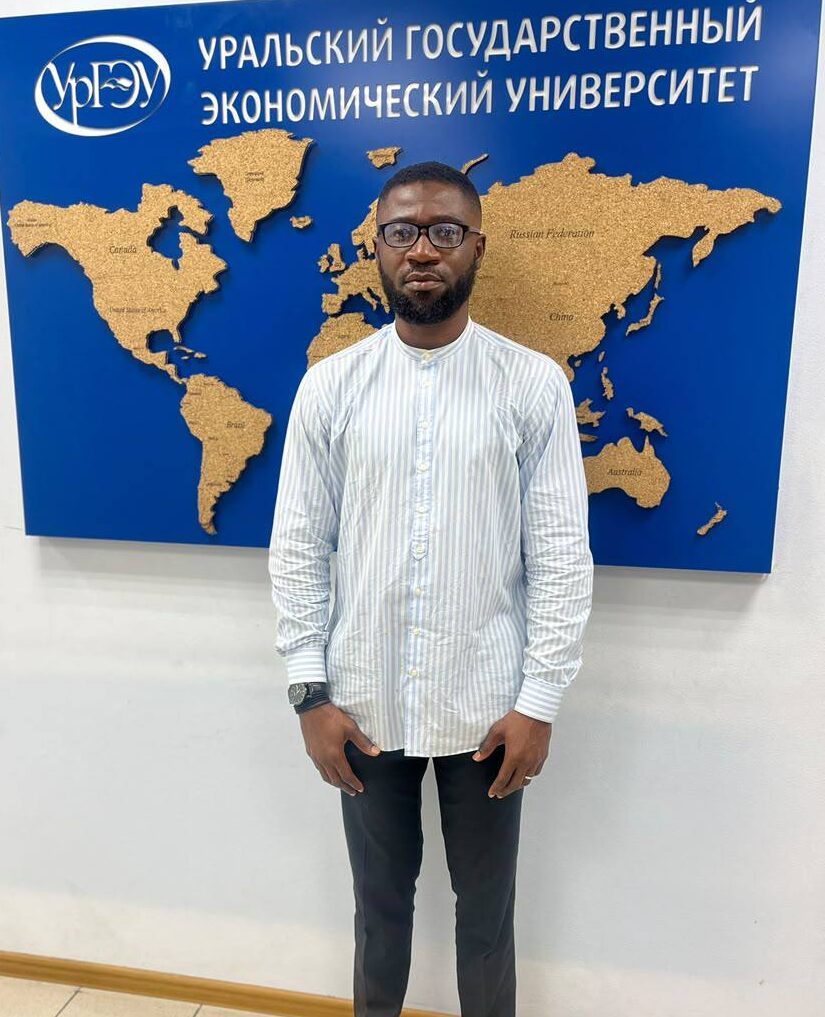
Abdul Razak Mohammed explained that the party continues to develop its political programme while challenging government actions it considers harmful to democratic participation. He added that, “every government will build schools and infrastructure; but we, the NPP, has always had extraordinary innovative policies for the betterment of the country.”
To illustrate this point, he referred to the NPP’s record of introducing policy initiatives during its periods in government, citing Free SHS and the National Health Insurance Scheme as examples of programmes that, in the party’s view, demonstrate its capacity to develop social and economic interventions.
The Communications Officer indicated that the party’s flagbearer has continued to engage stakeholders and work through committees to develop proposals aimed at addressing Ghana’s challenges.
In the same vein, the NPP Russia Branch pointed to the 24-Hour Economy as an example of a policy concept it considers part of its continuing contribution to Ghana’s political debate. Adding to this point, he explained that the party can pursue both responsibilities by presenting alternatives to government policies while scrutinising decisions it considers detrimental to democratic participation.
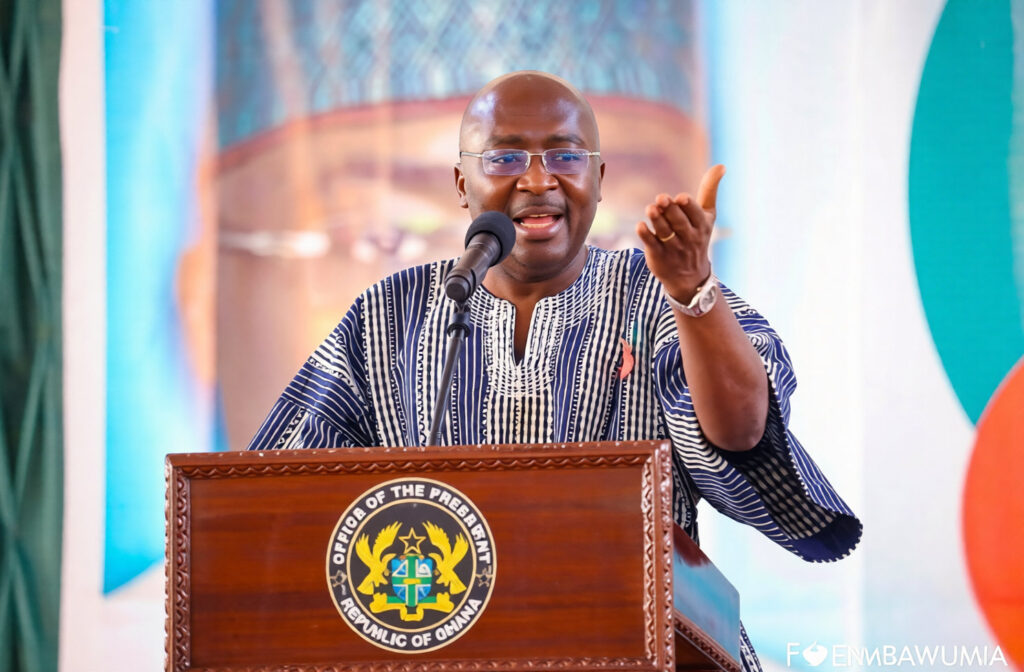
Looking ahead, Mr Mohammed emphasised that the NPP would continue to combine policy development with its oversight role in opposition. He stressed that criticism of the treatment of its members would not distract the party from presenting alternatives and holding the government accountable.
The Communications Officer therefore positioned the party’s response as part of its wider opposition responsibility, with policy advocacy and scrutiny of government remaining central to its political engagement.
READ ALSO: Korea Eximbank Assesses Impact Of Ghana Transmission Investment