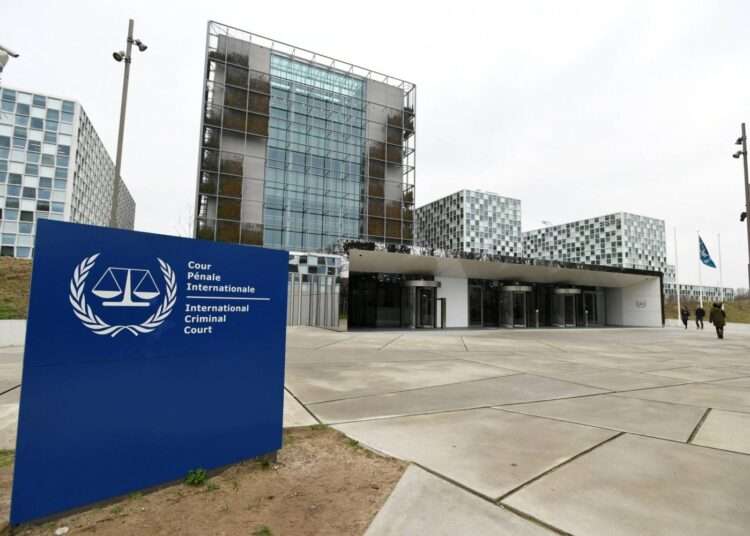
The United States has imposed sweeping sanctions on the International Criminal Court (ICC), intensifying President Donald Trump’s administration’s campaign against the tribunal over investigations and prosecutions involving Americans and Israelis.
US Secretary of State Marco, Rubio announced the measures, arguing that the court had become politicised and was attempting to prosecute American and Israeli nationals unlawfully over alleged war crimes. In a video address posted on social media, Rubio said that the sanctions would restrict the ICC’s access to resources and undermine its ability to operate against US interests.
“We will ban transactions with this rogue court, cutting off their resources and crippling its ability to operate against us. The United States and the American people are not subject to the jurisdiction of this fake ICC.”
Marco Rubio
The announcement followed the awarding of the Nobel Peace Prize to South African jurist Navi Pillay, who led investigations into potential ICC charges involving US troops in Iraq and Afghanistan. However, the US campaign against the court predates the Nobel announcement.
The measures block assets held by the ICC within US jurisdictions and give American companies and individuals six months to wind down business dealings with the court.
The sanctions represent an escalation of Washington’s longstanding opposition to the ICC, which was established to prosecute individuals accused of serious international crimes, including war crimes and crimes against humanity, under the conditions set out in its founding treaty.
Rubio stated that concerns about the court extended across party lines in the United States, arguing that both Republicans and Democrats had reservations about its authority and activities.
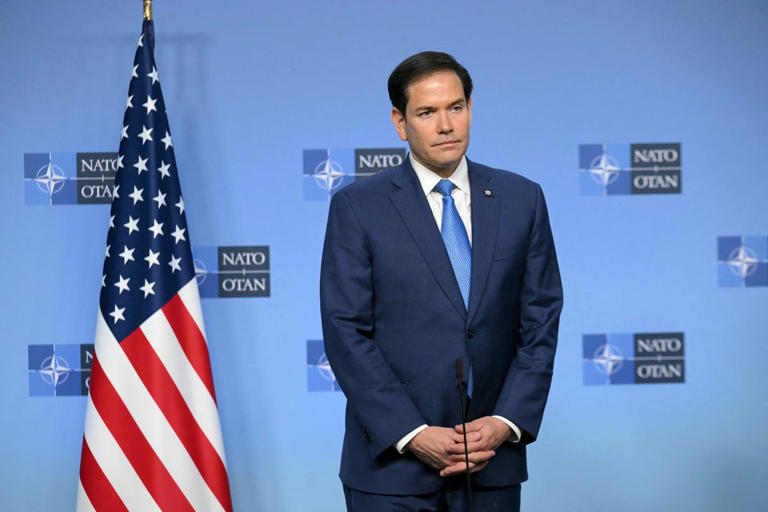
However, he credited Trump with taking action against the tribunal, saying the president was prepared to confront what the administration considers a threat to American sovereignty.
“Both parties agree on this, but only President Trump has the resolve to take the action needed to end this threat once and for all. Either the ICC will end its threats, or we will end the ICC.”
Marco Rubio
Rubio also called on Washington’s allies to support the campaign, specifically referencing NATO members in Europe and Japan.
“We expect our allies, many of whom are part of the ICC and that rely on American service members for their defense, to rein in this rogue court. If they do not, the United States will continue its campaign to dismantle the ICC, piece by piece, until Americans are threatened no longer.”
Marco Rubio
Netanyahu Welcomes Sanctions
Israeli Prime Minister, Benjamin Netanyahu welcomed the sanctions, praising Trump and Rubio for taking action against the tribunal.
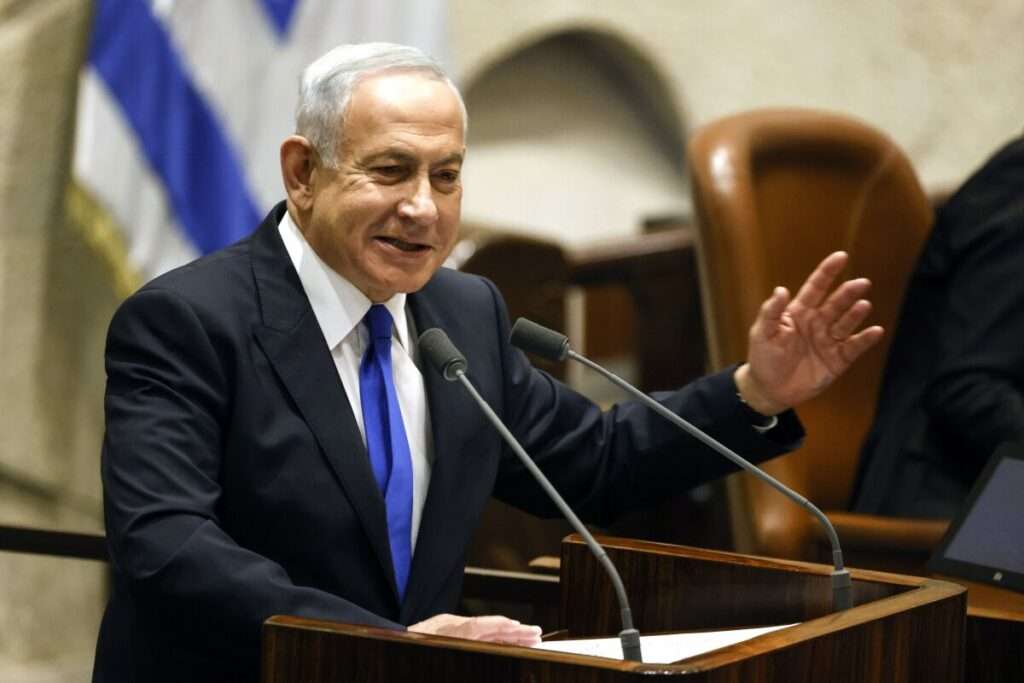
In a post on X, Netanyahu described the decision as critical and challenged the court’s legitimacy.
“The ICC is not a court. It is a political body that poses a mortal threat to law abiding democracies worldwide and to the very idea of national sovereignty.”
Benjamin Netanyahu
He concluded by thanking the US President and secretary of state for their leadership.
Japan Expresses Concern Over ICC Sanctions
Japan, however, expressed concern over Washington’s decision, reaffirming its support for international courts and the principle of the rule of law.
In a statement, Japan’s Ministry of Foreign Affairs said the country had consistently supported international judicial institutions, including the International Court of Justice (ICJ), the ICC and the International Tribunal for the Law of the Sea (ITLOS). “The measures are incompatible with Japan’s consistent position, and Japan is deeply concerned about them,” the ministry said.
Nevertheless, Tokyo acknowledged the importance of addressing challenges facing the ICC to ensure that the court fulfils its mandate appropriately and maintains the confidence of the international community.

Japan said that the tribunal and its member states needed to address concerns surrounding its administration and operations, stressing that it would continue participating in relevant discussions as a state party.
The ministry also disclosed that Japan had exchanged views with Rubio and agreed to maintain close communication with Washington.
Despite the disagreement over the sanctions, Tokyo stated that it would continue engaging with the United States, ICC President Tomoko Akane and other relevant countries in efforts to strengthen the rule of law internationally.
The contrasting responses from Israel and Japan highlight the diplomatic divisions surrounding Washington’s campaign against the ICC. While Netanyahu has welcomed the measures as a defence of national sovereignty, Japan has warned that they conflict with its longstanding support for international judicial institutions.
The US administration’s call for allies to join its campaign could further test relations with countries that support the court while maintaining close security partnerships with Washington.
The dispute also raises broader questions about the jurisdiction of international courts, state sovereignty and the ability of judicial institutions to investigate alleged international crimes involving nationals of countries that do not recognise their authority.
As Washington threatens further action against the tribunal, the response of its allies and other ICC member states is likely to shape the next phase of the dispute.
READ ALSO: Israel Criticises Navi Pillay’s Nobel Peace Prize