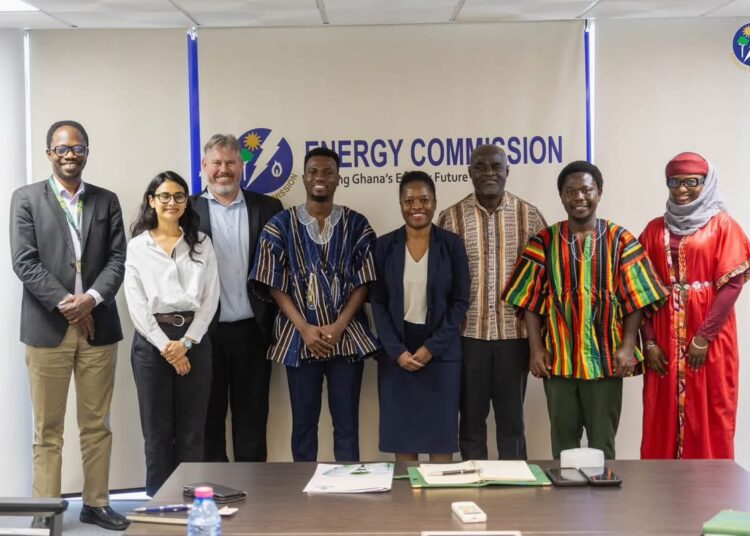
Ghana’s efforts to strengthen its energy-sector expertise are gaining a research dimension, following discussions between the Energy Commission and a consortium involving the Brew-Hammond Energy Centre (TBHEC), African Energy Futures (AEF) and the African Energy Futures Energy Research Hub (AEFERH) on establishing an energy research hub.
The proposed initiative could strengthen the connection between academic research, energy regulation and practical policy decisions at a time when Ghana must address challenges spanning electricity supply, energy demand, infrastructure investment and the development of domestic technical expertise.
The engagement follows a competitive selection process in which TBHEC ranked among the top three of 183 proposals submitted from across Africa.
The selection places the Ghana-linked initiative among a group of proposals considered for advancing energy research, although details of the final funding arrangements, implementation schedule and research programme were not disclosed in the announcement.
For Ghana, the significance will depend on whether the proposed hub can generate evidence that informs real decisions across the energy sector and helps develop the specialists needed to implement them.
Research Must Address Both Supply and Demand
Receiving the delegation, Julius Abayateye, Acting Deputy Executive Secretary (Technical) of the Energy Commission, said academic research could support national priorities on both the supply and demand sides of the energy system.

The distinction is important. Energy-sector challenges are not confined to producing or procuring more electricity and fuel. They also involve how energy is consumed, how efficiently it is used, what infrastructure is required and how investment decisions affect affordability and reliability.
Research into supply can help inform questions concerning generation, infrastructure planning, resource availability and system performance.
Demand-side research can support analysis of consumption patterns, efficiency and the implications of changing energy needs for households, businesses and industry.
For Ghana, bringing these areas together could help improve the evidence available to policymakers and regulators. However, the value of a research hub will depend on the quality of its work, access to relevant data and the extent to which its findings are incorporated into policy and operational decisions.
Abayateye welcomed the proposal to establish research activities through the Brew-Hammond Energy Centre and African Energy Futures in Accra, alongside training and capacity-building programmes with the Commission.
Local Expertise Is Part of Energy Security
The proposed collaboration also places emphasis on developing Ghanaian human resources rather than relying extensively on expertise imported from elsewhere.
Abayateye said the Commission welcomed the prospect of working with the institutions to expand training and build local technical capacity.
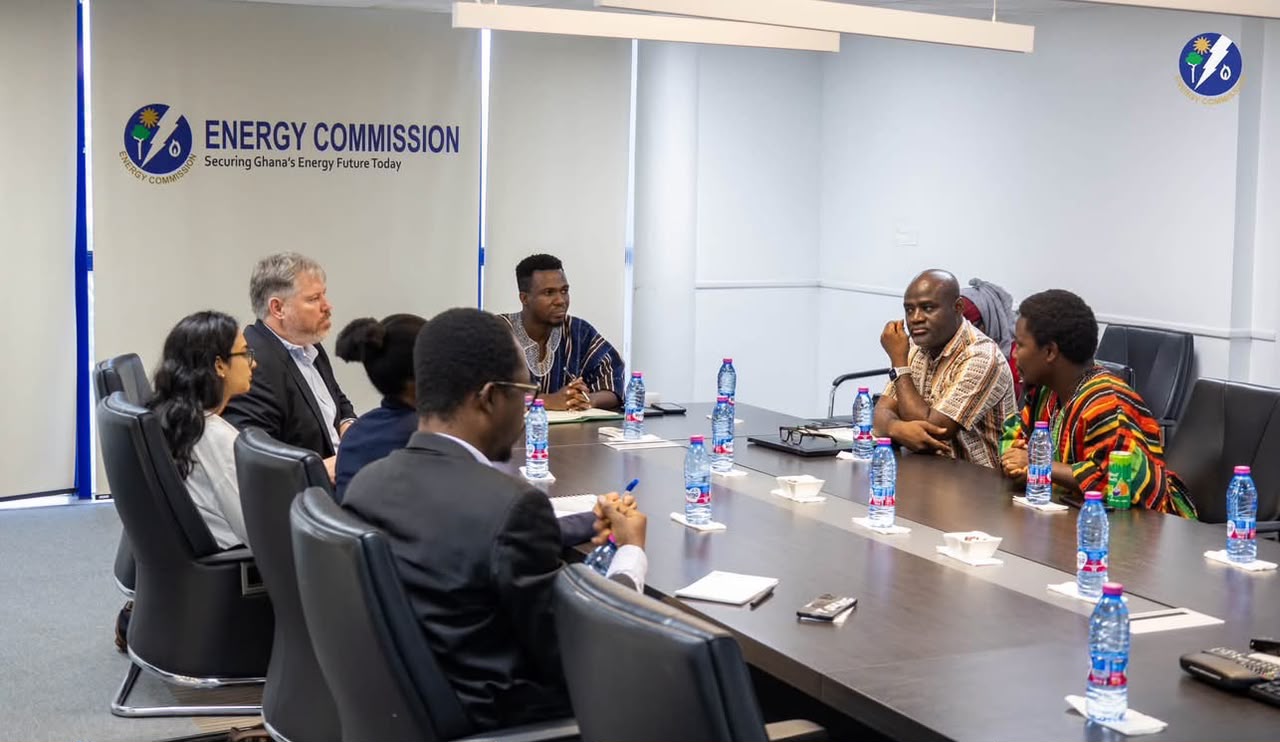
His remarks point to an important dimension of energy-sector development: Ghana needs not only infrastructure and investment, but also the people capable of planning, regulating, operating and evaluating the systems those investments create.
“The aim is to build local capacity and train Ghanaians instead of relying on imported human resources,” was the message conveyed by Abayateye during the engagement.
Developing that capacity could have implications across the energy value chain. A stronger domestic pool of researchers and technical specialists could support regulatory analysis, energy modelling, system planning and the evaluation of emerging technologies.
It could also help institutions build continuity in their technical work rather than repeatedly depending on external consultants.
Nevertheless, training programmes must be linked to identifiable skills gaps and practical employment opportunities if they are to deliver lasting results.
The announcement did not specify the number of professionals to be trained, the courses envisaged or the resources that would be committed to the programme.
Those details will matter in determining whether the partnership produces measurable improvements in Ghana’s technical capabilities.
Connecting Academic Work to Regulatory Decisions
The involvement of the Energy Commission creates an opportunity to connect research institutions with an organisation responsible for important aspects of Ghana’s energy-sector regulation and development.
Academic research can examine long-term trends and test different policy approaches, while regulators require timely evidence to assess sector performance, plan for future demand and evaluate the implications of proposed interventions.

A structured relationship between the two could help narrow the gap between research findings and regulatory needs. It could also provide opportunities for researchers to engage with practical questions emerging from Ghana’s energy system.
For that relationship to be effective, however, the research agenda must be clearly defined. Priorities could be shaped around issues where better evidence would materially improve decisions, rather than research activity being measured primarily by the number of studies produced.
The institutions will also need arrangements for data access, research independence, dissemination of findings and the translation of evidence into recommendations that can be assessed by policymakers and industry stakeholders.
No specific research priorities or formal implementation framework were outlined in the announcement, leaving the precise scope of the proposed hub to be established.
From Competitive Selection to Practical Outcomes
TBHEC’s placement among the top three of 183 proposals demonstrates the competitiveness of the selection process and gives the initiative a platform from which to develop its proposed work.
But selection is an initial milestone, not proof that the hub has been fully established or that its research will immediately influence energy policy.
The next stage will require clarity on financing, governance, participating institutions, research priorities and the relationship between the hub’s work and national energy-sector needs.
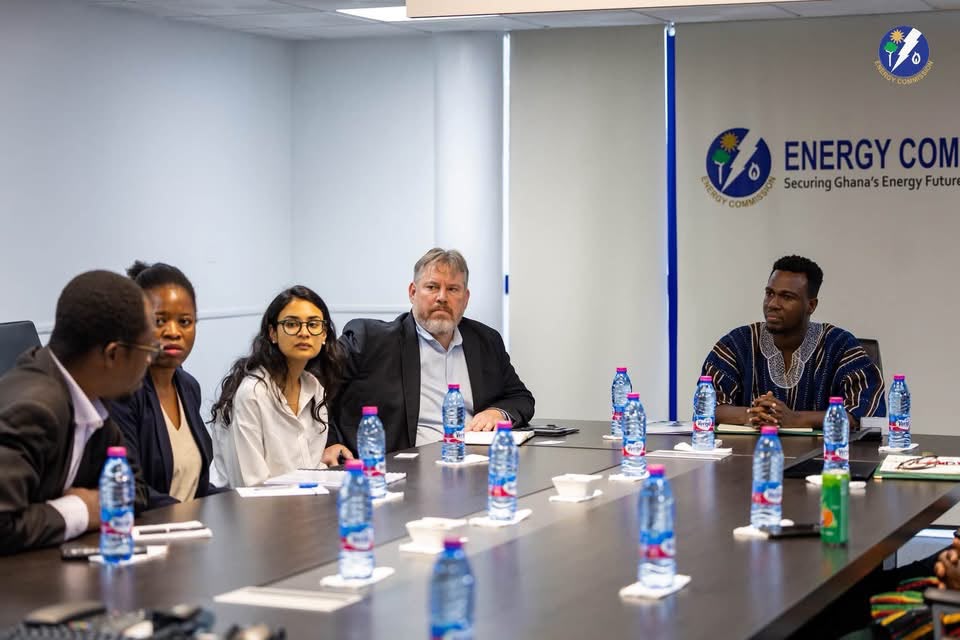
The Commission’s willingness to collaborate on training and capacity development could provide an important institutional link. Its impact will depend on whether the partnership progresses towards defined programmes, practical research outputs and a sustained pipeline of Ghanaian energy specialists.
For Ghana, the broader opportunity is to make research a more useful component of energy planning and regulation. Stronger domestic expertise can help institutions assess complex technical and economic questions, while credible research can improve the evidence available for investment and policy decisions.
The engagement between the Energy Commission, TBHEC, AEF and AEFERH marks a step towards that objective. Its ultimate value, however, will be measured not by the selection result or the meeting itself, but by whether the proposed collaboration delivers relevant research, strengthens local expertise and improves the quality of decisions shaping Ghana’s energy future.
READ ALSO: Ghana, Norway Target Fisheries Data Deficit