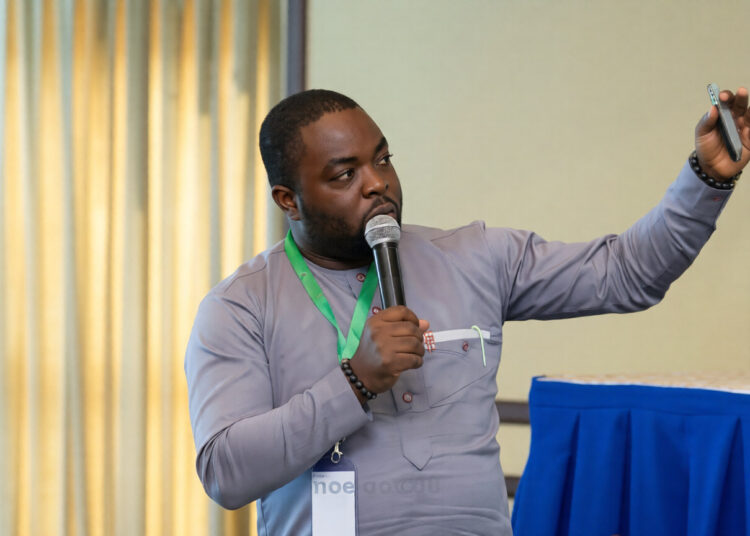
The Executive Director of the Institute for Education Studies (IFEST), Dr Peter Anti-Partey has criticised the education system’s failure to prevent alleged sexual misconduct at Obuasi Senior High Technical School (SHTS), warning that delayed institutional responses have exposed students to avoidable harm.
Speaking about the case, the education expert attributed the situation to “a culture of reacting to public controversies” instead of acting on early warnings, arguing that authorities should have investigated previous reports and introduced safeguards before the allegations escalated.
Dr Anti-Partey called for a fundamental shift in how educational institutions respond to misconduct, insisting that prevention must become a central principle of school administration.

“We should be more preventive. We should pick these things as early as possible and we should all use the energy that we are using now to help shape the system in such a way that we are able to prevent some of these things from happening.”
Dr Peter Anti-Partey
He observed that reports concerning incidents at the school circulated long before the latest public attention, yet the response was insufficient to prevent further developments. In his assessment, the tendency to discuss an incident for a few days before moving to another public controversy weakens accountability and allows underlying problems to persist.
The Education expert further questioned why a comprehensive investigation into events at Obuasi SHTS was not initiated earlier, particularly after concerns involving students and teachers reportedly emerged. He suggested that intelligence and education officials should have examined the incidents collectively instead of treating each development as an isolated matter.
Dr Anti-Partey also credited investigative journalism with bringing the situation back into the public domain, noting that the recent documentary has prompted renewed scrutiny. He cautioned, however, that a system should not depend on journalists uncovering serious institutional problems before authorities take decisive action.
Owing to a reactive approach to governance, the Executive Director warned that policy decisions often emerge hurriedly in response to public pressure. Such measures, he contended, risk lacking the research and careful planning necessary to address problems sustainably.
The education expert also raised concerns about the lasting consequences of alleged misconduct on young people, particularly when institutions fail to intervene promptly. He argued that the effects may extend beyond individual incidents, potentially undermining students’ wellbeing and their confidence in the educational environment.
Dr Anti-Partey therefore called on the government, education authorities and the media to channel the current public attention into institutional reforms. He added that consistent investigations, clear accountability and preventive safeguards are necessary to protect students and stop similar incidents from recurring.
Obuasi SHTS Closure Threatens Learning Outcomes
The Executive Director of the Institute for Education Studies (IFEST), Dr Peter Anti-Partey also called for the swift reopening of Obuasi Senior High Technical School (SHTS), urging education authorities to address the substantial loss of instructional time and restore effective school administration.
His intervention follows the prolonged closure of the school after an incident on August 4 involving male students who allegedly assaulted the interdicted headmaster over claims that they had seen him burying a foetus on school grounds.
Dr Anti-Partey reiterated that authorities must prioritise students’ academic recovery while ensuring that the circumstances surrounding the case receive proper investigation.

“They’ve lost approximately 150 to 175 contact hours. And we were not talking about it till this incident happened and this report that is very, very disheartening.”
Dr Peter Anti-Partey
Dr Anti-Partey observed that the school’s closure has affected students’ preparation, particularly as final-year students are expected to sit their examinations in May 2027. He emphasised that reopening must be accompanied by practical measures to recover lost instructional hours and prepare learners for their academic responsibilities.
The Education expert proposed appointing a new person to lead the school’s administration and undertaking staff reshuffles where necessary. In his view, these measures could help strengthen school management and ensure teachers are adequately prepared to support students as normal academic activities resume.
He also criticised the lack of sustained public updates on previous allegations involving schools, noting that investigations and subsequent actions frequently disappear from public discussion. This pattern prevents citizens from knowing whether institutions have addressed the problems or introduced safeguards against recurrence.
In addition, Dr Anti-Partey urged authorities to communicate findings and corrective measures more consistently after incidents involving students and teachers. He referenced earlier reported cases, including one involving a Bole senior high teacher in a chemistry laboratory, as examples of situations for which the public has received limited information about subsequent developments.
The education expert reiterated that accountability should extend beyond the initial announcement of an investigation. Without clear follow-up, he warned, institutions risk repeating the same failures because lessons from earlier incidents are neither communicated nor translated into effective policies.
While calling for the school’s prompt reopening, Dr Anti-Partey also stressed that the response should not be limited to restoring classroom activities. Authorities must investigate the circumstances surrounding the allegations, establish appropriate safeguards and ensure that staff understand their responsibilities in protecting learners.
READ ALSO: GSE Composite Index Rises as Six Stocks Suffer Losses