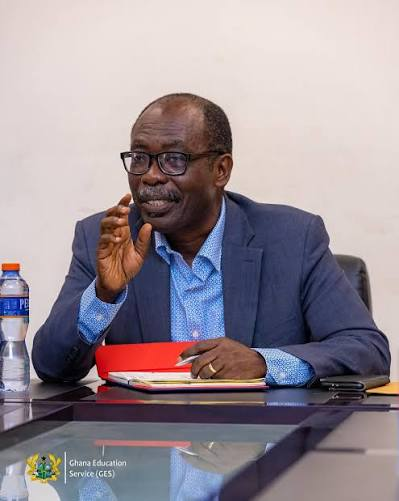
The Ghana Education Service (GES) has directed all senior high schools to end immediately the practice of students performing household chores at the bungalows of teachers and headmasters. The Director-General, Prof. Ernest Kofi Davis, disclosed the directive in an interview.
Prof. Davis explained that the Service will write to all schools, and that the letter should reach them by the close of 23 October 2026. He added that regional directors will remind staff to study the code of conduct, which does not permit the practice.
“I agree with them. We are going to write to schools by the close of 23 October to make sure that it doesn’t happen.”
irector-General, Prof. Ernest Kofi Davis
Prof. Davis responded to calls from members of the public for the practice to stop. He stated that he agrees with them, and that the Service will act through a letter to schools.
He based his position on the GES code of conduct. Section 3.7/B, he disclosed, provides that students are not expected to be asked to engage in household chores.

He did not describe the new directive as a change of policy. The code already bars the practice, and the letter will restate it and require compliance. A teacher or headmaster who asks a student to work at a bungalow would therefore act against a provision that the Service itself has published.
Letter to Reach All Schools Today 23rd October 2026
Prof. Davis stated that the Service will write on the day of the interview, which gives it a notably short timeline. The same message will go to all regional directors, who are to remind staff in their regions of the code of conduct.
“Students are not expected to be asked to engage in household chores, and any teacher or headmaster who engages them in such activities is acting contrary to the GES code of conduct,”
Director-General, Prof. Ernest Kofi Davis
They will be asked to remind staff to familiarise themselves with the code of conduct. Teachers and heads will also be asked to stop inviting students to their homes to do household chores.
Asked why the practice has persisted if the code forbids it, Prof. Davis returned to the same point. That, he stated, is why staff are being told to study the code. He described the practice as “not acceptable“.
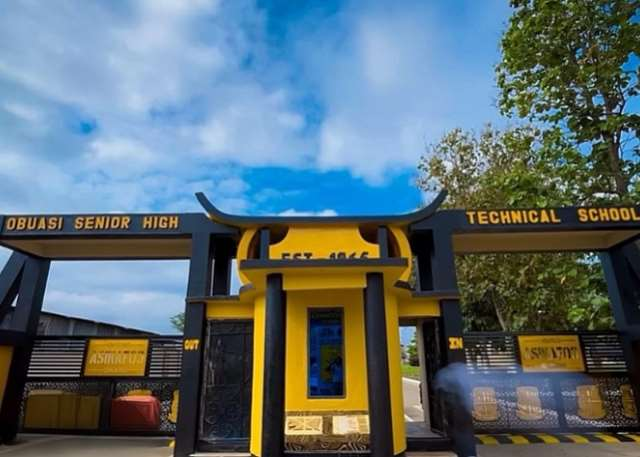
Practice Surfaced in Obuasi Case
The question arose in the context of the case at Obuasi Senior High Technical School (SHTS), where an investigation by JoyNews and journalist Manasseh Azure Awuni documented allegations of sexual abuse by the headmaster. That investigation prompted calls for the Service to end the chores. The headmaster has since been interdicted, and a criminal investigation has been ordered.
Other groups have also pressed for changes to the code of conduct. Child Rights International, for example, has urged the Service to review the document so that it focuses more on the welfare of children and the protection of the school environment. Prof. Davis’s directive applies the existing text, and it does not amend it.
Obuasi SHTS Prepares to Reopen
Prof. Davis also disclosed that efforts are under way to resume academic work for continuing students at Obuasi SHTS. The school has been closed to continuing students since 5 August, following disturbances on the campus.
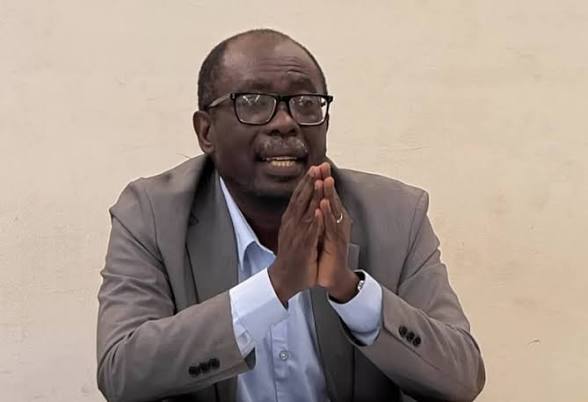
First year students have been in school since the reporting date of 18 September. He assures the public that preparations are far advanced for continuing students to return sometime next week.
For senior high schools across the whole country, the directive carries a clear expectation. Teachers and headmasters must stop using students for household work at their bungalows with immediate effect, as the directive requires, and the Service will expect regional directors to ensure compliance. The letter’s effect will depend on how closely regional directors follow it up and how readily staff comply.
READ MORE: Ghana Urged to Establish National Housing Fund, Levy