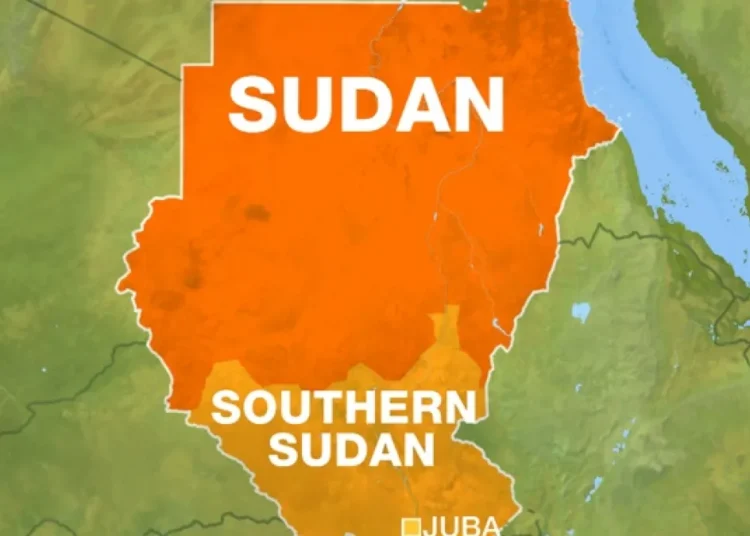
United Kingdom has imposed sanctions on 15 senior commanders from Sudan’s Rapid Support Forces (RSF) and Sudanese Armed Forces (SAF) over suspected atrocities, including conflict-related sexual violence, as it marks one year since the fall of El Fasher to the paramilitary RSF.
The measures form part of a new package of action aimed at holding suspected perpetrators accountable, supporting survivors of sexual violence and strengthening humanitarian assistance as conflict and El Niño-induced drought increase the risk of famine across Sudan.
The sanctions follow UK-funded investigations by the Centre for Information Resilience (CIR), which documented systematic starvation and conflict-related sexual violence against civilians by both sides of the conflict.
The sanctions target 15 senior military commanders from both warring parties over suspected atrocities committed during the conflict, including sexual violence against civilians.
Among those designated are Hussein Abu Jalak, an RSF colonel linked to atrocities during the siege of El Fasher, and Al-Nour Ahmed Adam, also known as Al-Qubba, who was identified as having been present and playing a prominent role in the siege and attacks on the city.
The measures impose travel restrictions and freeze the assets of those targeted, forming part of Britain’s continuing efforts to hold individuals suspected of involvement in the conflict’s abuses accountable.
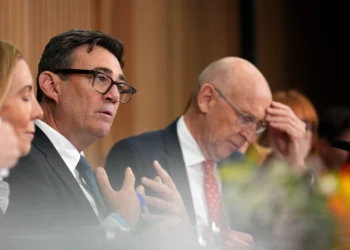
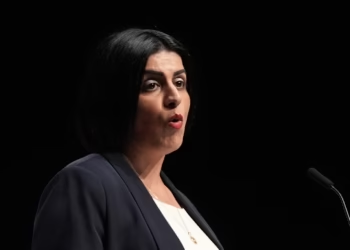
According to Foreign Secretary Ed Miliband, “the war in Sudan has created a humanitarian catastrophe.”
“A year on from the atrocities in El Fasher, UK-funded investigations have shown that rape and starvation are still being weaponised against the people of Sudan. These are crimes against our humanity – the perpetrators must be held accountable and support from all external backers to the warring parties must end.”
Ed Miliband,
The latest measures follow five previous rounds of UK sanctions connected to Sudan’s conflict, targeting suspected perpetrators and networks supporting the warring parties.
The announcement comes one year after El Fasher fell to the RSF following an 18-month siege that left hundreds of thousands of civilians facing severe food shortages.
In the days following the city’s capture, civilians were massacred, women and girls were subjected to sexual violence, and entire communities suffered widespread devastation.
UK-funded reporting by the Centre for Information Resilience has since documented evidence that similar tactics continue to be used across Sudan.
UK Allocates £15 Million for Survivors and Humanitarian Relief
Alongside the sanctions, UK has announced £15 million in additional funding to support survivors of conflict-related sexual violence and respond to Sudan’s deteriorating humanitarian situation.
Of the total, £5 million will be directed towards services and supplies for survivors of sexual violence, including sexual and reproductive healthcare, maternal health services, psychosocial support, and safe spaces for women and girls.
The funding is intended to help survivors access essential care and support as reports of abductions, rape and other forms of sexual violence continue to emerge from conflict-affected areas.

A further £10 million will support the wider humanitarian response amid growing concerns about famine, displacement and the destruction of essential civilian infrastructure.
The funding will help improve access to clean water and sanitation at displacement sites around Tawila, where inadequate services increase the risk of disease outbreaks.
It will also support healthcare, protection and other essential humanitarian services in El Obeid, where ongoing fighting and restrictions on humanitarian access have left civilians facing acute needs.
UK government attributed the deteriorating situation to several interconnected pressures, including attacks on markets, health facilities and displacement camps, obstruction of humanitarian assistance and drought associated with El Niño.
Miliband warned that “El-Nino may worsen an already desperate situation, but whether famine takes hold is in the hands of the RSF and SAF – they must stop attacking aid convoys and let food reach communities.”
The assistance is intended to address urgent needs while helping protect displaced populations and survivors whose access to basic services has been undermined by fighting and restrictions on relief operations.
UK Warns of Famine Risk as Atrocities Continue Across Sudan
According to the UK-backed Centre for Information Resilience investigations, both the RSF and SAF have been implicated in patterns of abuse, including the use of starvation and sexual violence against civilians.

The obstruction of humanitarian assistance, attacks on civilian infrastructure and restrictions on the movement of food supplies have compounded the effects of displacement and disrupted access to essential services.
The risk of famine is also being heightened by El Niño-induced drought, which threatens to intensify existing food insecurity in communities already affected by conflict.
UK has called on both sides to stop attacking humanitarian convoys and allow aid organisations to reach people in need.
UK Foreign Secretary, Ed Miliband also urged external backers of the warring parties to end their support, arguing that accountability must accompany efforts to address the humanitarian catastrophe.
READ ALSO: Ablakwa Insists All South African Evacuees Received Reintegration Packages