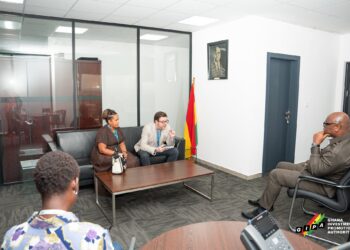
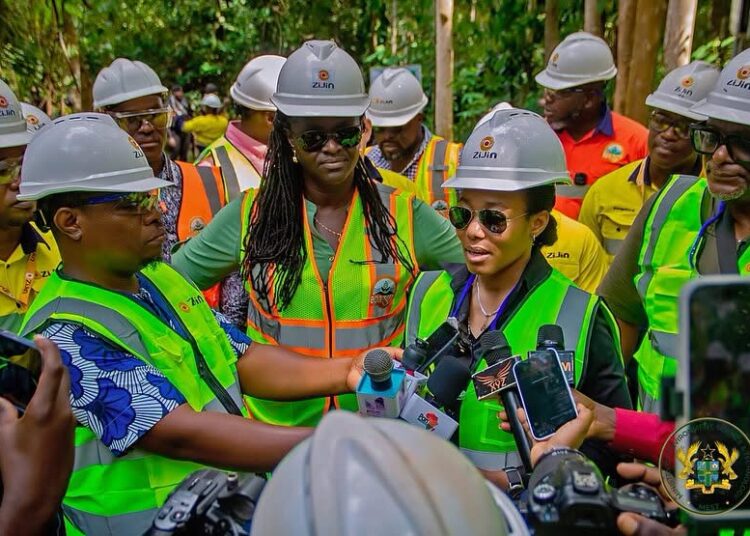
Dr. Zanetor Rawlings, the Minister for Environment, Science and Technology, has called for strict adherence to sustainable mining practices across Ghana’s extractive sector following an assessment tour of mining operations in the Eastern Region.
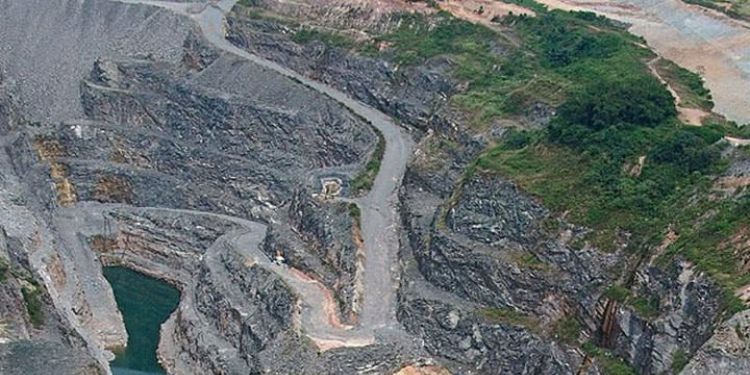
Evaluating environmental management standards, the Minister observed operations at Zijin Mining in New Abirem to examine structural measures designed to minimize environmental degradation during resource exploitation.
The visit highlighted the imperative for all mining firms operating within the country to balance natural resource extraction with rigorous ecological protection.
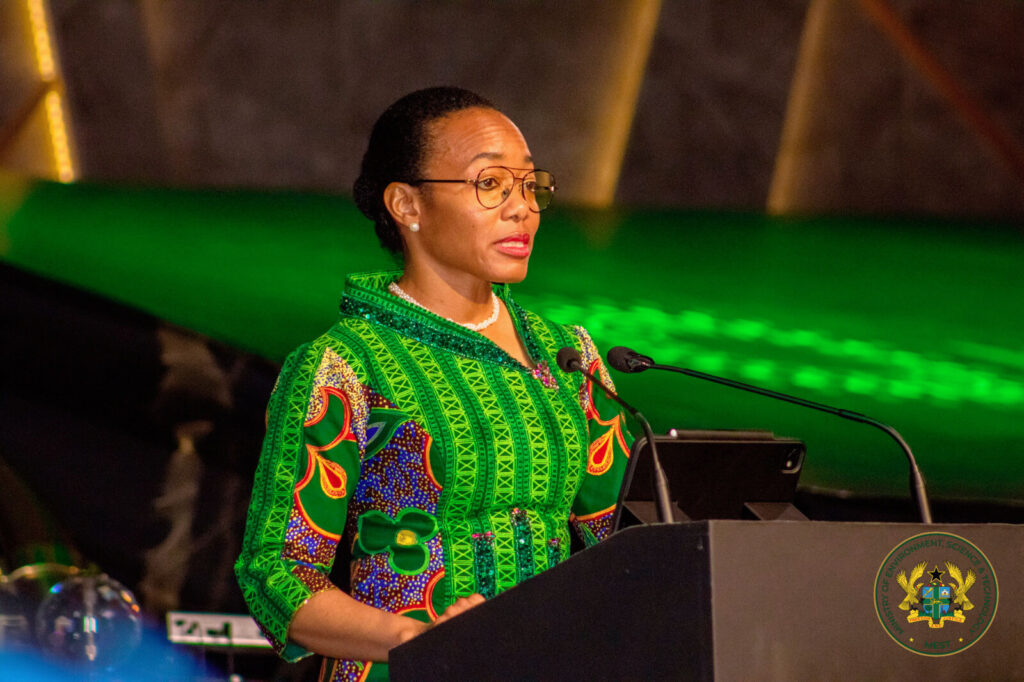
“Our mineral resources are important to Ghana’s economic development, but their extraction must never come at the expense of our water bodies, farmlands, ecosystems and the wellbeing of future generations. Responsible mining must not be the exception. It must be the standard.”
Dr. Zanetor Rawlings
Elaborating on her field findings, Dr. Rawlings contrasted the structured environmental protocols at New Abirem with the severe ecological destruction caused by illegal mining activities, locally referred to as galamsey, in areas such as Osino.
During the site inspection, the ministerial delegation evaluated Zijin Mining’s comprehensive rehabilitation strategies, which feature progressive land reclamation, systematic re-vegetation, tree planting, and dedicated ecosystem restoration programs.
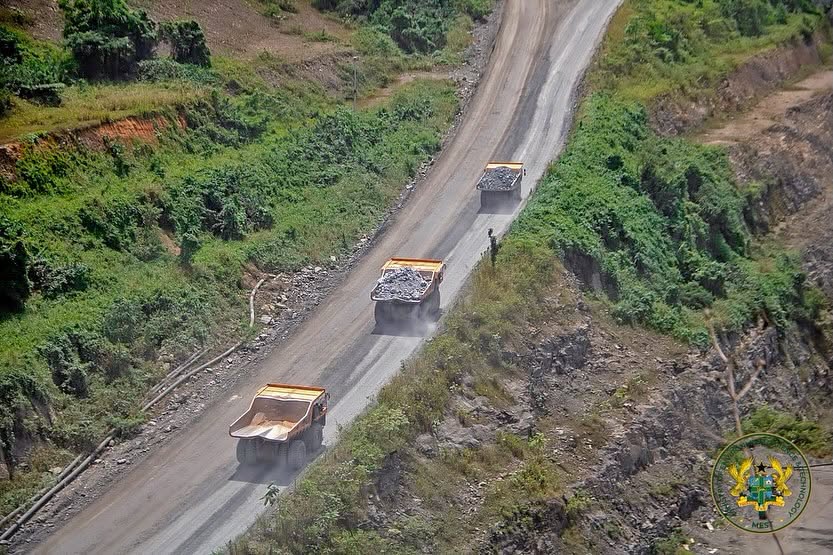
The Minister emphasized that while Ghana’s rich mineral portfolio remains vital for national revenue and infrastructural growth, extraction activities must never compromise the integrity of critical watersheds, agricultural lands, or the long-term well-being of local communities.
Escalating Ecological Threats and the Imperative for Responsible Mining
Ghana’s extractive sector faces unprecedented environmental pressures, driven primarily by unchecked illegal mining that has contaminated major river bodies including the Pra, Ankobra, and Birim with toxic heavy metals like mercury and cyanide.
Agricultural communities in the Eastern and Ashanti regions have suffered extensive topsoil loss and deforestation, directly threatening cocoa production, food security, and rural livelihoods.
Consequently, the call by Dr. Rawlings highlights an urgent need to enforce regulatory standards across all mining jurisdictions to prevent irreversible loss of biodiversity and secure public health.
To stem this tide, the Ministry of Environment, Science and Technology is advocating for corporate compliance with strict environmental impact assessments (EIAs) and continuous land reclamation mandates.
Field evaluations demonstrate that non-compliant illegal mining leaves large pits unrestored, posing physical hazards to local residents and rendering vast tracts of land permanently uncultivable.
Instituting compulsory reclamation models similar to those executed at New Abirem ensures that post-mining landscapes are effectively converted back into viable agricultural or forestry zones, mitigating environmental hazards long after mineral deposits are depleted.
Furthermore, sustainable resource governance requires robust institutional oversight, multi-agency collaboration, and active community engagement.
By promoting legal, ecologically conscious extraction methods, Ghana can safeguard its socio-economic future while maintaining its position as a major mineral producer in Africa.
Bridging Economic Development and Environmental Stewardship
The economic significance of Ghana’s mining sector cannot be understated, as gold and other mineral exports contribute substantially to foreign exchange reserves, tax revenues, and employment generation.
However, sustainable economic growth demands that short-term fiscal gains do not destroy the natural capital required for future development.
Integrating clean extraction technologies, strict tailing management systems, and transparent environmental auditing provides a viable framework through which economic prosperity and conservation can coexist.
Sustainable environmental stewardship also involves active reforestation and carbon sequestration initiatives to fight global climate change, as highlighted during the Minister’s field assessment.
As regulatory frameworks tighten, industrial players are expected to invest heavily in environmental remediation technologies and partner with local communities to promote green job creation.
Establishing responsible mining as the universal benchmark will safeguard the ecosystem for future generations while bolstering Ghana’s reputation as a sustainable investment hub.
Establishing Regulatory Benchmarks Across the Extractive Industry
Moving forward, the Ministry of Environment, Science and Technology aims to streamline monitoring mechanisms to hold mining companies accountable to local environmental standards.
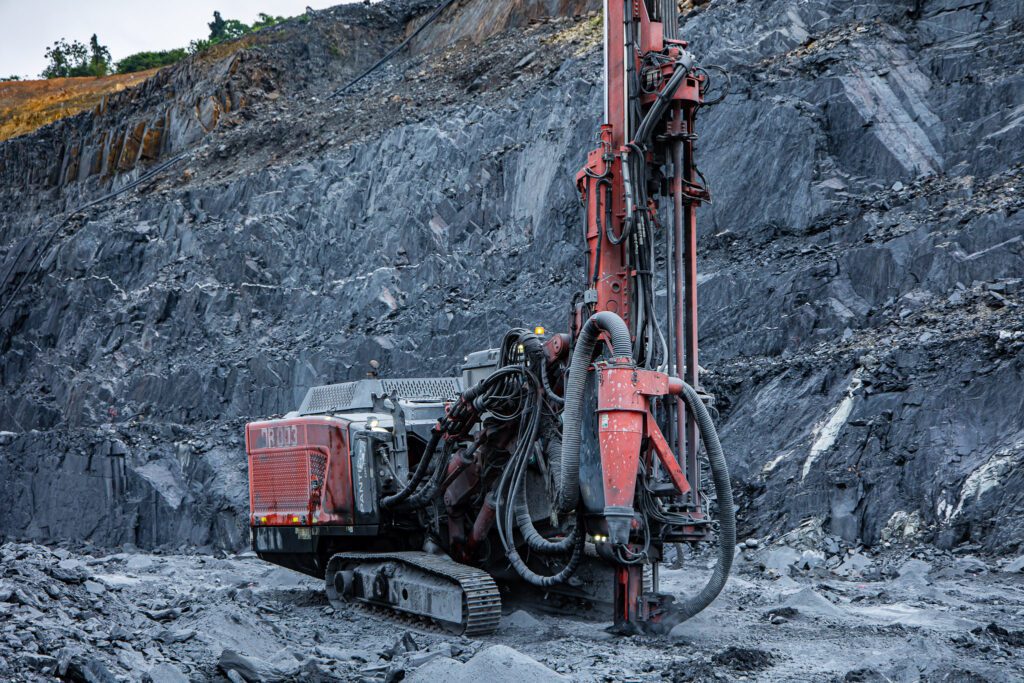
Broad enforcement of environmental compliance will serve to phase out irresponsible operators while encouraging legal entities to adopt eco-friendly technologies.
Through strategic policy enforcement, community sensitization, and routine site inspections, Ghana seeks to eliminate environmental degradation associated with mineral extraction.
Ultimately, establishing responsible practices as the standard across the extractive industry will preserve water bodies, restore degraded forests, and guarantee resilient livelihoods. The transition toward sustainable resource management reinforces Ghana’s national commitment to environmentally sound industrial development.
READ ALSO: Jokić Closes in on Westbrook’s Triple-Double Record