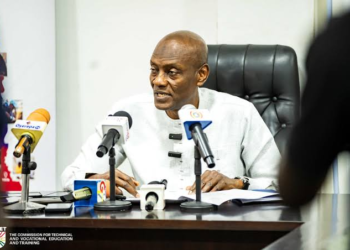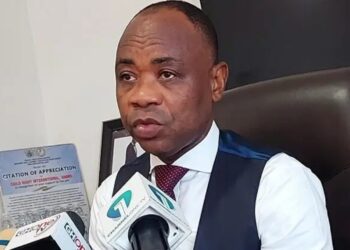
Parliament’s Committee on Human Rights has called on the Ministry of Education, the Ghana Education Service (GES) and the National Commission for Civic Education (NCCE) to reintroduce and reorient second-cycle institutions on safe disciplinary standards, following a viral video that allegedly shows teachers of Techiman Senior High School assaulting a student.
The call was made in a press release issued on Monday, November 2, and signed by the Committee’s Chairman, Ernest Yaw Anim, who is the Member of Parliament for Kumawu. Marked “For Immediate Release” and addressed to all media houses, the statement said the measures should cover pre-tertiary institutions across the country.
Committee condemns viral video
The Committee described the video as disturbing and said it viewed the alleged conduct with serious concern. It also expressed concern about what it called the increasing rate and trend of indiscipline in second-cycle schools.
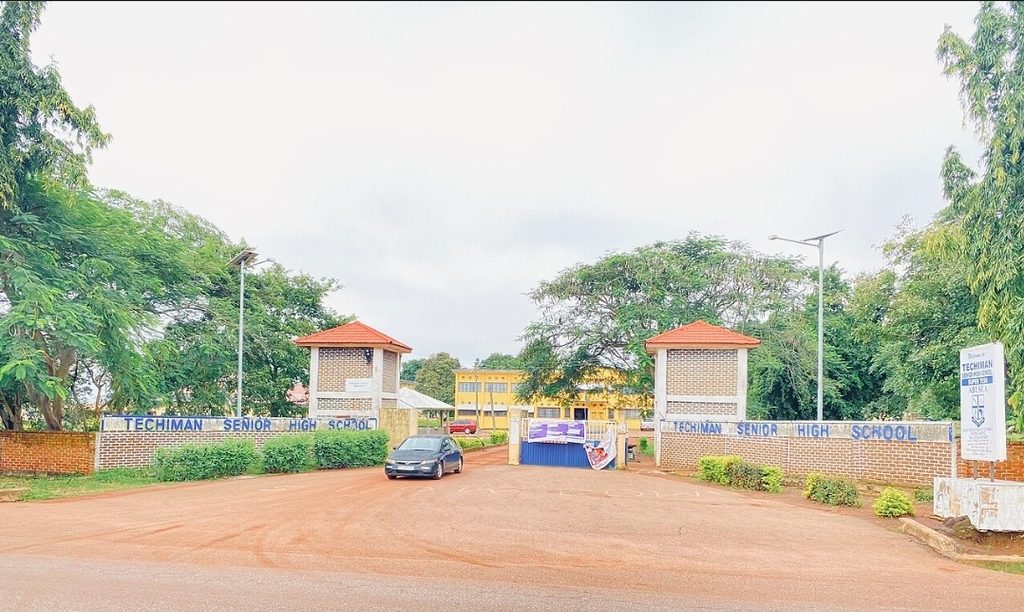
“The Committee takes a strong view of such action, as well as the increasing rate and trend of indiscipline stemming from second cycle institutions in Ghana.”
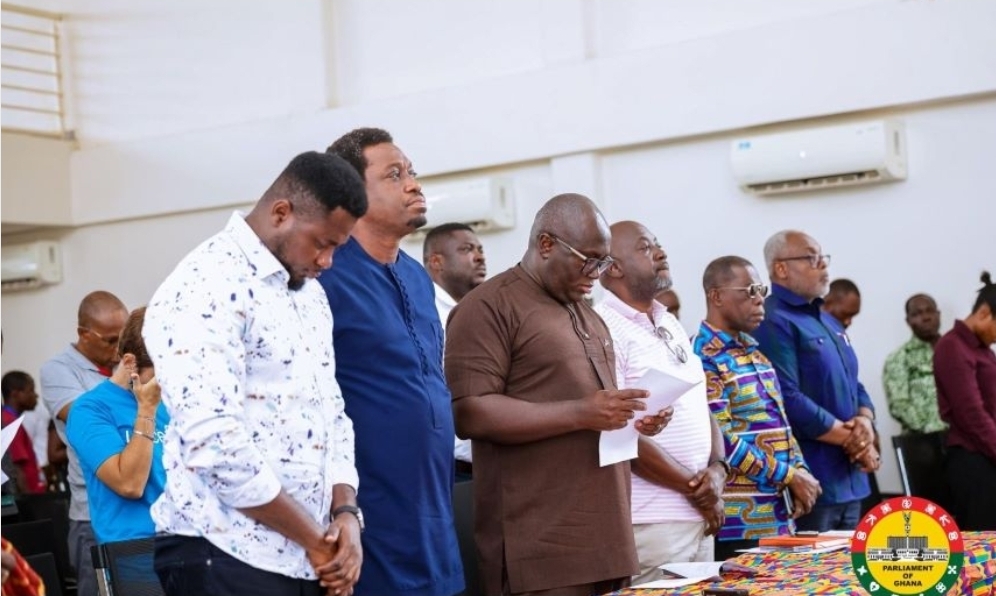
Committee members of Human Rights in Parliament
The statement gave no details of the video, such as when or where it was recorded. It also did not say whether any action had been taken against the teachers involved. As with any viral footage, the allegations are yet to be established, and the statement itself uses the word “allegedly” in describing the teachers’ conduct.
Committee flags system-wide indiscipline
Beyond the Techiman case, the Committee said the problem was broader. It argued that a rising culture of indiscipline in the second-cycle system was drawing in school authorities as well as students.
“The Committee believes that there is the urgent need for the reintroduction of safe disciplinary standard measures to curb the rising culture of indiscipline, often involving Headteachers, Housemasters, teachers, and students alike.”
Statement from Members of the Human Rights Committee in Parliament.
The wording points to a system-wide concern rather than a single school’s conduct, with headteachers and housemasters named alongside teachers and students. The statement, however, did not specify what the proposed standards would entail, how they would differ from existing rules, or who would enforce them.
The use of the word “reintroduce” suggests the Committee regards such standards as having existed previously or lapsed in practice, although the statement did not say so explicitly.
The call is directed at three bodies with distinct roles. The Ministry of Education sets national policy, the GES oversees pre-tertiary schools, and the NCCE is mandated to educate citizens on their rights and responsibilities. By addressing all three, the Committee appears to be seeking a coordinated response that combines policy direction, school-level enforcement and public education.
Committee cites legal and development obligations
The Committee also linked the issue to Ghana’s development commitments. It warned that such measures, “if not undertaken,” had “the ability to undermine Ghana’s efforts to attain SDG 4,” the global goal on quality education.
It further said the matter had implications for the protection of children’s rights under domestic and international law. It cited Article 25(1) of the 1992 Constitution, Section 8 of the Children’s Act, 1998 (Act 560), and Article 28(2) of the United Nations Convention on the Rights of the Child.
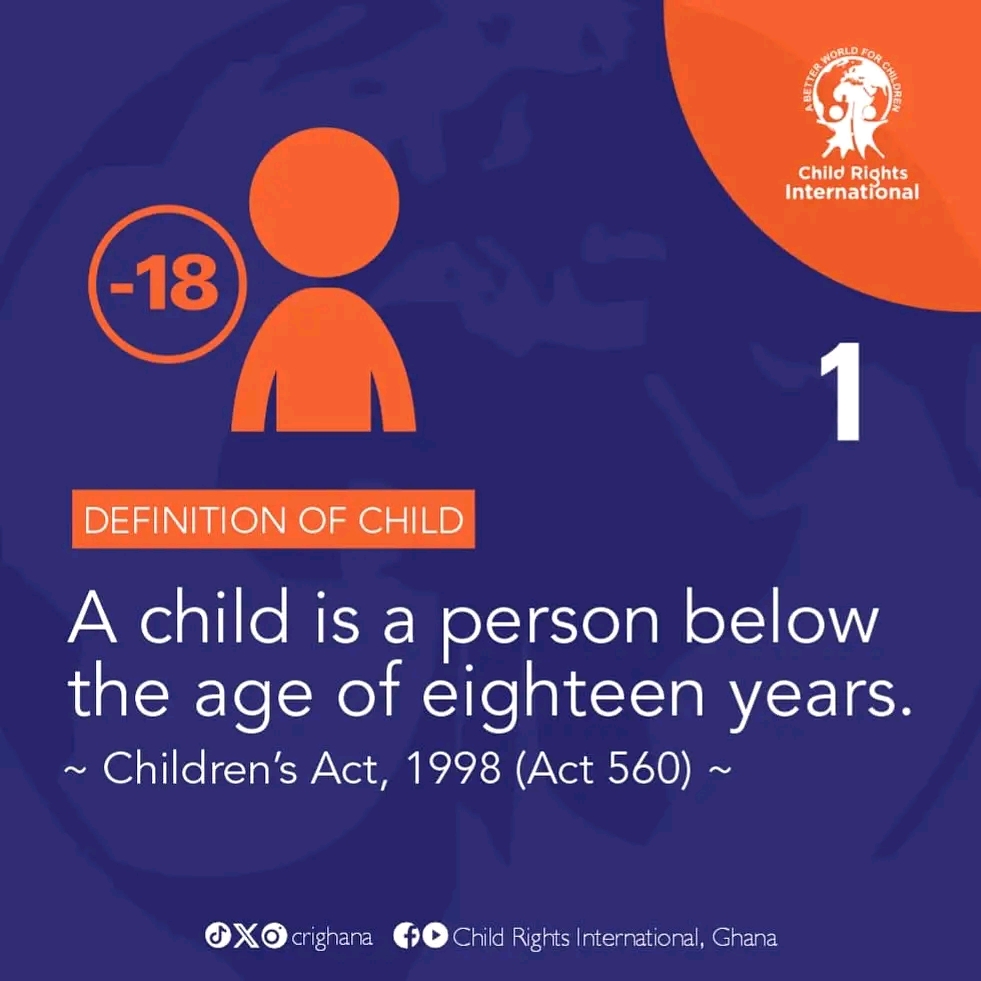
The statement did not reproduce the provisions or explain how each applied to the Techiman incident, but presented them in the context of the right to education. Committee reaffirms commitment to educationThe release closed by reaffirming the Committee’s position on the subject.
“The Committee remains deeply committed to preserving the sanctity of Education in Ghana as a guarantee to a basic human right for All – the Right to Quality Education.”
Statement from the Human Rights Committee of Parliament
A press statement of this kind is a call to action rather than a binding directive. It carried no response from the Ministry, the GES or the NCCE, and the teachers allegedly involved in the Techiman video were not named.
Debates over how schools can maintain order while protecting the dignity and safety of students are not new. The Committee’s intervention adds a parliamentary voice to that conversation, and attention will now turn to whether the three agencies respond and what form any renewed disciplinary guidance takes.
READ ALSO: Suame MP Accuses GoldBod CEO of Enabling Illegal Mining