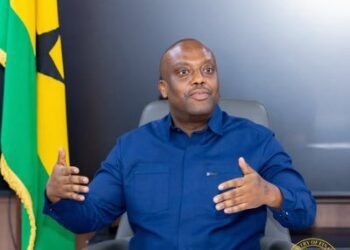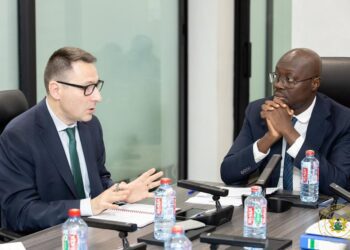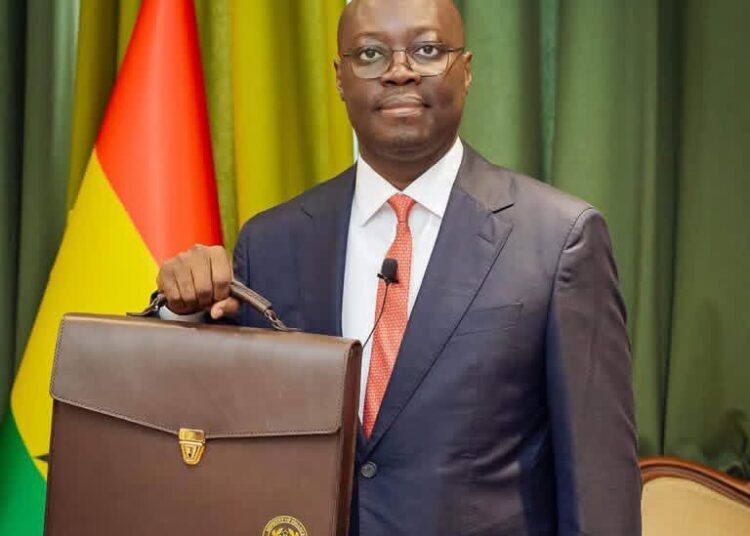
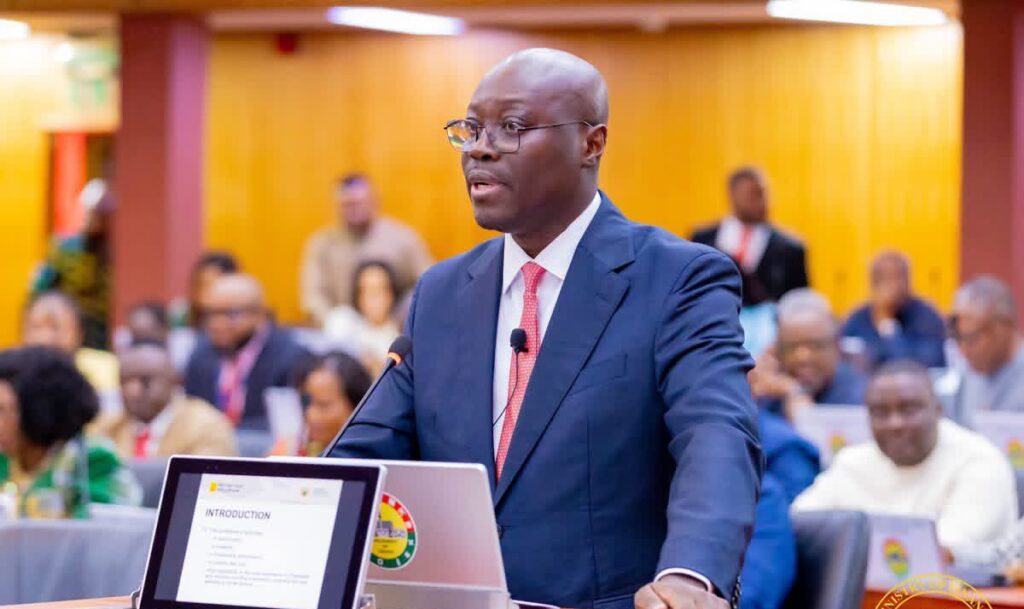
Finance Minister Dr. Cassiel Ato Forson prepares to unveil an ambitious US$10 billion investment programme designed to transform the country’s economic fortunes, create jobs and open new opportunities for local businesses.
The four-year New Economy programme, which will run from 2027 to 2030, is expected to take centre stage in the 2027 Budget presentation scheduled for Thursday, November 12, 2026, when the Finance Minister will outline how the government intends to convert improving economic indicators into tangible benefits for ordinary Ghanaians.
The announcement raises expectations that the government’s next major economic intervention will go beyond stabilising inflation, restoring confidence and improving macroeconomic conditions to address one of Ghana’s most pressing challenges: creating sustainable employment and expanding opportunities for its growing population.
Dr. Forson believes the country must now begin to feel the benefits of the sacrifices made during the difficult period of economic adjustment.“Ghanaians made sacrifices to get our economy back on its feet. Now, that recovery must mean decent jobs for our young people, better incomes for our farmers and room for Ghanaian businesses to grow and hire,” Dr Forson said.
His remarks suggest that the upcoming budget will mark an important transition in the government’s economic priorities, with employment generation, domestic production and business expansion expected to receive greater attention.
$10bn Programme to Reshape Ghana’s Economic Direction
At the heart of the anticipated budget announcement is the US$10 billion New Economy programme, a four-year investment initiative announced by President John Dramani Mahama.
The programme is intended to reposition Ghana’s economy by expanding domestic production, increasing the proportion of raw materials processed locally and supporting Ghanaian companies to become more competitive in both domestic and international markets.
This represents a significant ambition for an economy that has historically depended heavily on exporting raw commodities while importing substantial quantities of finished products.
Ghana produces considerable volumes of gold, cocoa, agricultural commodities and other natural resources. However, limited local processing capacity has often prevented the country from capturing the full economic value of these resources.
The New Economy programme is expected to address some of these structural weaknesses by encouraging investments that strengthen local industries, improve productive capacity and create opportunities across different sectors.
If properly implemented, the initiative could help businesses expand their operations, employ more workers and develop products capable of competing beyond Ghana’s borders.
The scale of the proposed investment also raises important questions about project selection, financing arrangements and the government’s ability to ensure that the funds generate measurable economic returns.
Jobs Become the New Test of Economic Recovery
Although Ghana has recorded improvements in key macroeconomic indicators, the extent to which these gains translate into better living conditions remains a major concern.
Young people continue to seek meaningful employment opportunities, while farmers and businesses face the challenge of increasing productivity, accessing markets and improving their incomes.
Dr. Forson’s latest comments indicate that the government recognises the importance of connecting economic stability with employment and income growth.
“Next week, I will show how the New Economy will turn the gains we have made together into jobs and prosperity for all.”
Dr Ato Forson
The statement places considerable expectations on the 2027 Budget, particularly regarding the specific investments expected to support job creation.
Ghanaians will be looking for details on the sectors that will receive priority attention, the number and quality of employment opportunities expected and the mechanisms that will ensure local businesses benefit from the programme.
Beyond announcing ambitious investment figures, the government will also need to demonstrate how these interventions will reach communities, stimulate private sector activity and create employment that can be sustained over time.
Economic Recovery Provides a Starting Point
The timing of the New Economy programme comes against the backdrop of improving economic conditions following years of significant financial and economic difficulties.
Ghana completed the final review of its International Monetary Fund-supported lending programme in July 2026, marking an important milestone in its economic recovery efforts.
Data from the Ghana Statistical Service also showed that the economy expanded by 6.0 per cent in the second quarter of 2026, reflecting continued growth in economic activity.
Meanwhile, annual inflation stood at 5.2 per cent in September 2026, indicating a substantial improvement in price stability compared with the difficult inflationary conditions experienced during the country’s economic crisis.
These developments provide a stronger foundation for the government’s next phase of economic planning.
However, improved growth and lower inflation do not automatically translate into better employment opportunities, higher household incomes or increased profitability for businesses.
The challenge now is to ensure that economic expansion becomes more inclusive and creates opportunities across different segments of society.
2027 Budget Faces Critical Financing Questions
Dr. Forson had already signalled the government’s intention to place greater emphasis on job creation during the July Mid-Year Fiscal Policy Review.
The November budget is therefore expected to provide a clearer picture of how the administration intends to implement that commitment, beginning with its investment priorities for 2027.
One of the most important issues will be financing.
With the New Economy programme carrying a US$10 billion price tag over four years, the government will need to explain how the investment will be mobilised, the respective roles of public and private sector financing and how projects will be implemented without undermining the progress made in restoring fiscal stability.
The government must also demonstrate that the programme will deliver productive investments rather than create additional financial pressures without corresponding economic returns.
The November 12 presentation will consequently attract considerable attention from businesses, investors, development partners and ordinary Ghanaians.
Ultimately, the success of the US$10 billion New Economy programme will not be determined by its headline investment figure alone. Its real impact will be measured by the factories established, businesses expanded, agricultural incomes improved, exports strengthened and decent jobs created.
Ghana has made important progress in restoring economic stability. The next challenge is turning that progress into opportunities that people can see and experience in their daily lives.
READ ALSO: BoG Blacklists 20 Illegal Loan Apps, Warns Ghanaian Borrowers