
Ghana is set to emulate Chinese mining Artificial Intelligence (AI) technologies to drive responsible and sustainable mining across the country.
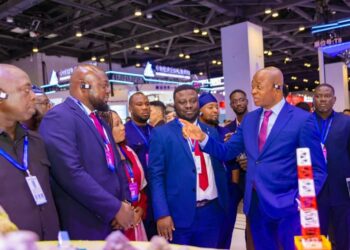
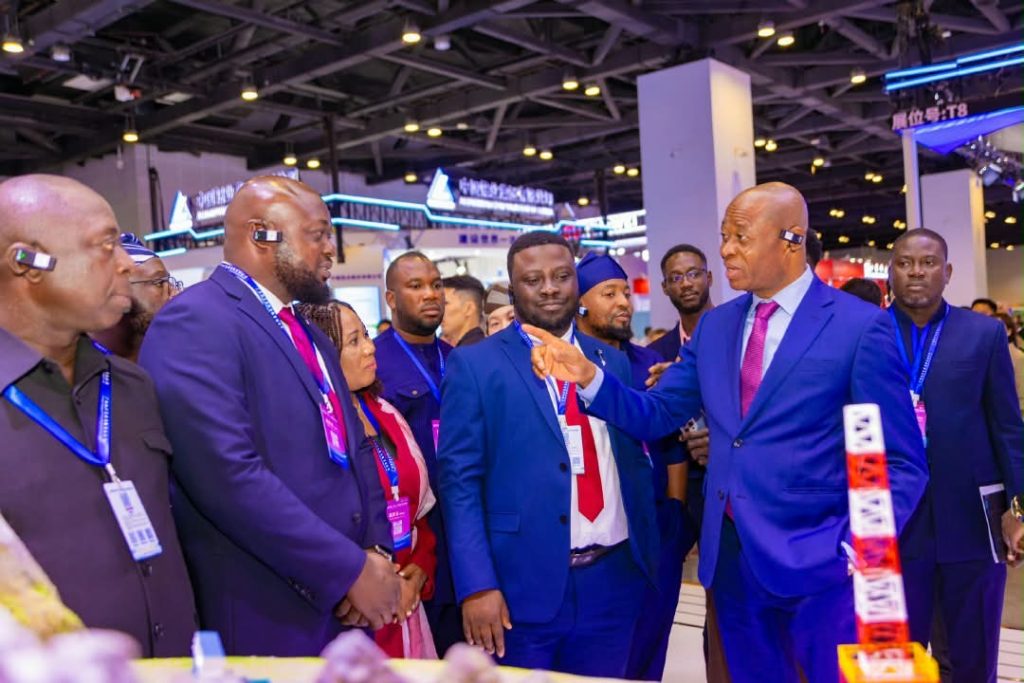
This follows a delegation’s visit to the People’s Republic of China led by the Deputy Minister of Lands and Natural Resources, Hon. Sulemana Yusif.
The Deputy Minister was accompanied by key government officials including Dr. Frank Amoakohene, the Ashanti Regional Minister, Municipal, Metropolitan, and District Chief Executives (MMDCEs). Among other officials in attendance were foreign delegates and mining sector ministers representing 14 countries.
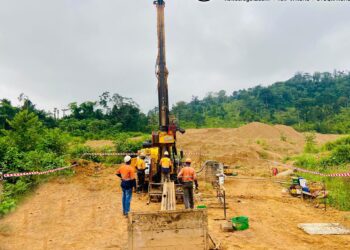
Central to these high-level discussions was the proposed adoption of electric-powered heavy-duty equipment alongside underground artificial intelligence (AI)-powered mining technologies.
Technical presentations delivered by the Minerals Commission, the Ghana Geological Survey Authority, and the Ministry of Lands and Natural Resources detailed Ghana’s untapped mineral potential while reiterating the regulatory and legal frameworks governing the sector.
“My contribution emphasised the need for strategic action on sustainable mining, environmental restoration and climate resilience. Our message is clear: the future of mining must be driven not only by productivity, but also by innovation, environmental responsibility and sustainable development.”
Dr. Frank Amoakohene, Ashanti Regional Minister
Technological Shift Toward Sustainable Extraction
The integration of Chinese AI-driven systems and electric machinery addresses long-standing operational inefficiencies within Ghana’s natural resources sector.
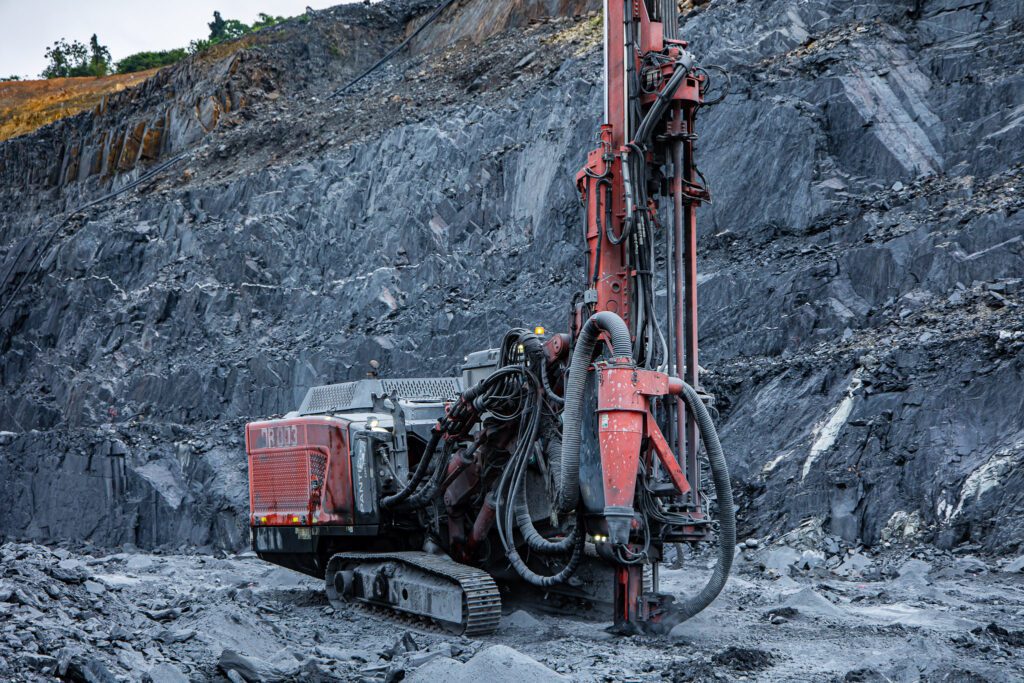
Traditional heavy mining equipment relies heavily on diesel combustion, contributing significantly to greenhouse gas emissions and elevating operational expenses.
By transitioning toward electric-powered heavy machinery and automated underground systems, mining operations can dramatically lower carbon intensity, optimize fuel expenditure, and minimize noise pollution around host communities.

Furthermore, underground AI technologies enhance precision in deposit mapping and risk management.
Advanced sensor networks and real-time data analytics enable predictive maintenance of critical machinery, monitor structural stability in deep shaft operations, and optimize resource recovery rates.
Industry experts note that automating complex underground processes reduces human exposure to hazardous sub-surface environments, directly improving occupational health and safety standards across major concessions.
Regulatory Alignment and Environmental Stewardship
Achieving a sustainable transformation requires complete alignment between innovative technology and Ghana’s governing legal frameworks.
Institutional regulators, including the Minerals Commission and the Ghana Geological Survey Authority, continue to update guidelines to accommodate automated and low-emission mining infrastructure.
Ensuring that multinational partnerships adhere strictly to environmental impact benchmarks remains crucial to preventing land degradation and water contamination.
Environmental restoration forms a primary pillar of this strategy, particularly in regions impacted by historical land degradation.
Sustainable extraction protocols mandate progressive reclamation, ensuring that land site remediation occurs concurrently with active resource gathering rather than post-closure.
This dual focus ensures that technological adoption delivers tangible economic yields while safeguarding local ecosystems for future generations.
Strategic Global Partnerships and Economic Outlook
Ghana’s proactive engagement with international delegations from 14 nations underscores a strategic diversification strategy aimed at broadening technical and economic partnerships beyond traditional Chinese investments.
Expanding economic diplomacy allows the nation to attract multi-faceted foreign direct investment, import state-of-the-art green technologies, and establish high-value processing facilities locally.
As global demand shifts toward responsibly sourced critical minerals, Ghana’s emphasis on productivity alongside ecological accountability positions it as a competitive destination for international capital.
By committing to green exploration, artificial intelligence integration, and structured regulatory oversight, the nation sets a compelling benchmark for modern resource governance across the West African sub-region.
READ ALSO: Black Sherif Opens Vendor Slots for “Zaama” Disco