
The National Anti-Illegal Mining Operations Secretariat (NAIMOS) has raised questions about the apparent inactivity of some Metropolitan, Municipal and District Chief Executives (MMDCEs) in the fight against illegal mining, with its spokesperson, Paa Kwesi Schandorf, identifying “weak local enforcement” as one factor allowing galamsey to persist in several communities.
Speaking on the responsibilities of local authorities, the Spokesperson for NAIMOS, Mr Schandorf argues that district-level officials should take the initiative in confronting illegal mining within their jurisdictions. He expressed concern that political and economic considerations, as well as allegations of complicity, appear to have weakened the resolve of some local authorities.
“It should not take a deployment authorised by the sector minister, Honourable Emmanuel Armah-Kofi Buah from Accra, the NAIMOS headquarters in Cantonments, for an enforcement to be done in far away areas.”
Paa Kwesi Schandorf
Mr Schandorf explained that local political authorities already possess established structures through which they can initiate and sustain interventions against illegal mining. However, he observed that the apparent reluctance of some MMDCEs to exercise their responsibilities has created an enforcement gap that central government operations alone could not permanently resolve. In his assessment, “if the the local vanguard process is very effective, illegal mining would be easily eliminated and this conversation would not hold.”
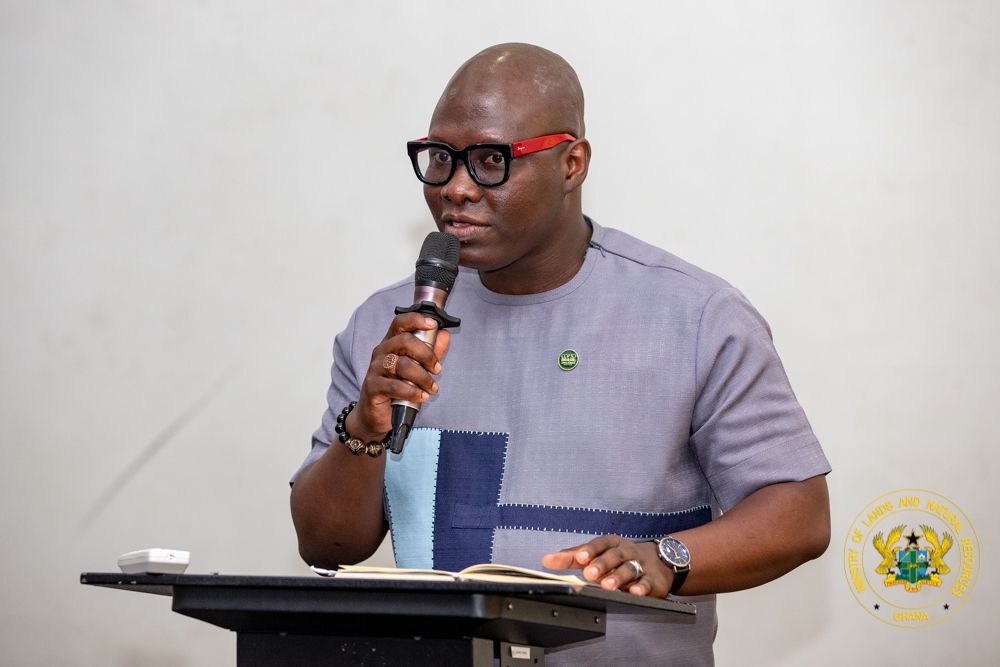
In response to the concerns, Mr Schandorf pointed to a national conference organised a week before the interview by the Ministry of Local Government in collaboration with the Ministry of Lands and Natural Resources. The meeting brought MMDCEs together to examine their responsibilities and discuss measures for strengthening the local response to galamsey.
He characterised the discussions as frank and decisive, indicating that commitments and practical measures emerged from the engagement.
He also disclosed that the sector minister and the Minister for Local Government, Honourable Mahama Ayariga made it clear that officials found complicit, negligent or nonchalant would be required to account for their conduct.

Nevertheless, he cautioned against attributing every instance of illegal mining solely to political officeholders, pointing to situations where communities themselves collectively support the activity.
Community Cooperation Crucial To Sustaining Anti-Galamsey Enforcement Efforts
Beyond the enforcement of mining laws, the National Anti-Illegal Mining Operations Secretariat (NAIMOS) identified community attitudes and local complicity as “significant obstacles to ending galamsey” with its spokesperson, Paa Kwesi Schandorf, insisting that residents must actively support efforts to protect their natural resources.
The Spokesperson for NAIMOS defended the Secretariat’s decision to combine selected enforcement exercises with engagements involving chiefs, elders, residents and mining groups.
“If, for example, you resort to enforcement and arrests without addressing the underlying issues, you will make little headway because, by the time you leave the community, the illegal activities will have resumed.”
Paa Kwesi Schandorf
Mr Schandorf identified economic hardship as one of the principal justifications advanced by residents who support illegal mining. In communities where formal employment opportunities are limited, some young people regard nearby mining sites as accessible sources of income and consequently resist efforts to end the activity.
He nevertheless rejected the suggestion that unemployment could legitimise environmental destruction or other unlawful conduct. He cautioned that accepting economic hardship as sufficient justification for illegal mining could create a dangerous precedent for excusing other forms of criminality.
The NAIMOS spokesperson also identified a troubling shift in the role of some residents, who should ordinarily act as “guardians of their communities’ natural resources.” Instead, some have become facilitators of illegal mining by granting operators local support and helping their activities continue.
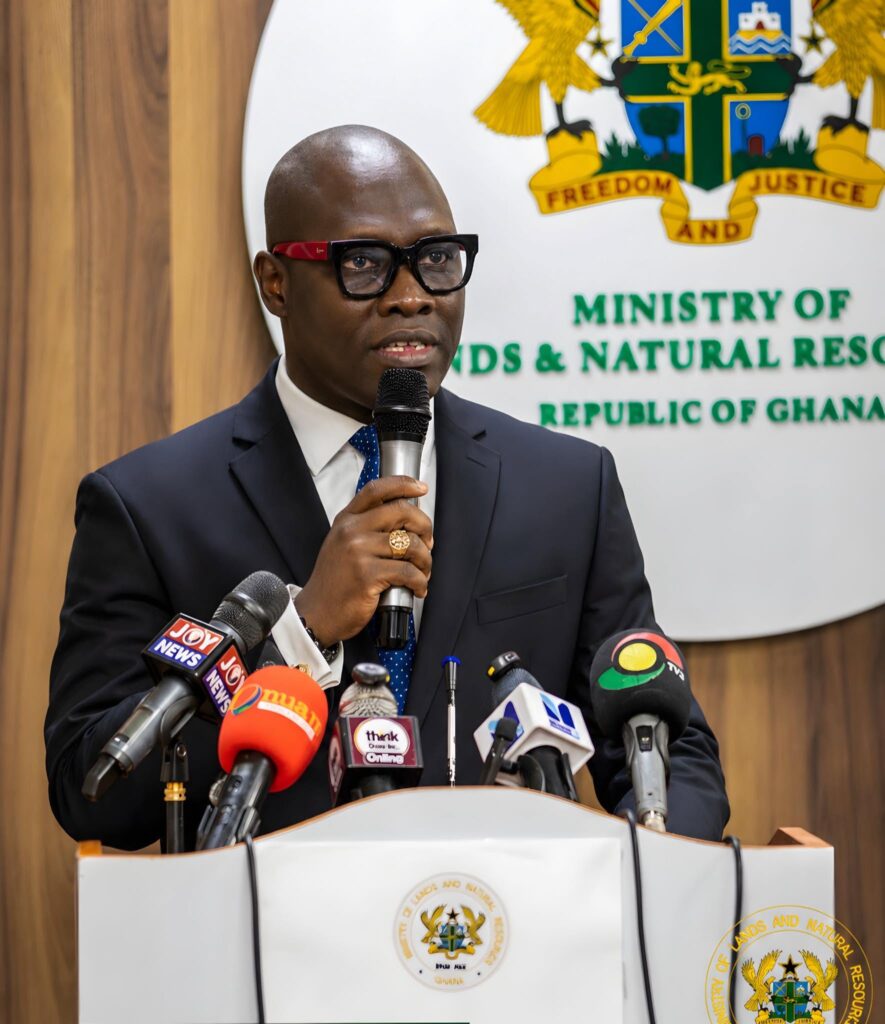
Describing the engagements with traditional authorities, Mr Schandorf indicated that opinions among chiefs and elders were sharply divided. While some appeared genuinely dissatisfied with the destruction, others exhibited what he characterised as “cosmetic discontent” expressing reservations without demonstrating a firm willingness to oppose the activity.
He attributed this reluctance partly to the economic consequences that a mining ban could have for communities whose residents depend on the activity. However, he maintained that local acceptance of galamsey would make enforcement difficult to sustain, regardless of the resources deployed by NAIMOS.
He also defended the sector minister’s call for authorities to engage the “hearts and minds and conscience of Ghanaians”, rejecting suggestions that such an approach demonstrated weakness. For Mr Schandorf, changing attitudes is indispensable to securing lasting community cooperation.
Consequently, NAIMOS considers public engagement an essential complement to enforcement, particularly in communities where illegal mining enjoys local acceptance.
READ ALSO: 2027 Budget Must Prioritise Jobs and Local Production — Prof. Kawor