A Rocha Ghana, a non-governmental environmental conservation organization, has taken a decisive step toward promoting responsible natural resource governance by engaging traditional authorities to strengthen community rights across mining landscapes.
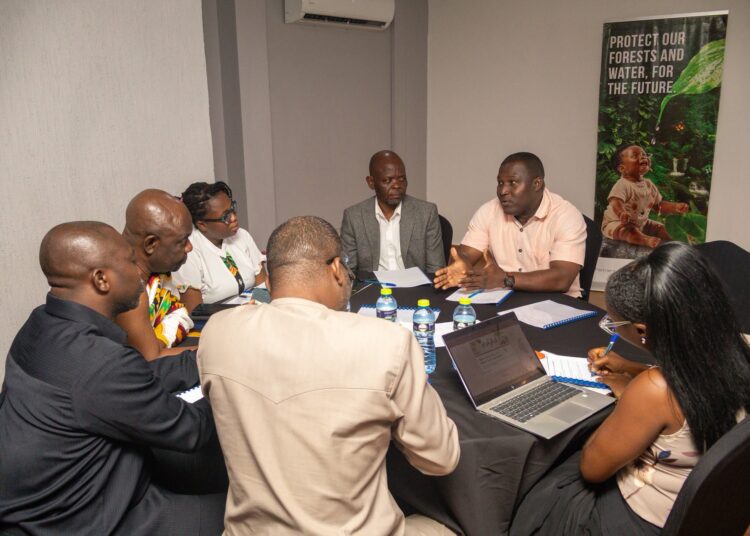
Under the auspices of its Building Resilient and Active Communities in Extractive Landscapes (BRACE) Project, the organization convened a high-level sensitization session with the Chiefs of the East Nzema Traditional Council in Esiama.
The initiative aims to equip local leaders with critical knowledge on regulatory frameworks and mineral governance to ensure that extractive activities in the region do not compromise the socio-economic and environmental well-being of host communities.
“Through the BRACE (Building Resilient and Active Communities in Extractive Landscapes) Project, A Rocha Ghana is engaging Chiefs of the East Nzema Traditional Council in Esiama to explore how informed leadership can safeguard community rights and strengthen responsible mineral resource governance.”
A Rocha Ghana,
Expanding on this advocacy outreach, the session provided traditional rulers with deep technical insights into Free, Prior and Informed Consent (FPIC), complex mining licensing procedures, mineral rights, human rights protections, and sustainable environmental management protocols.
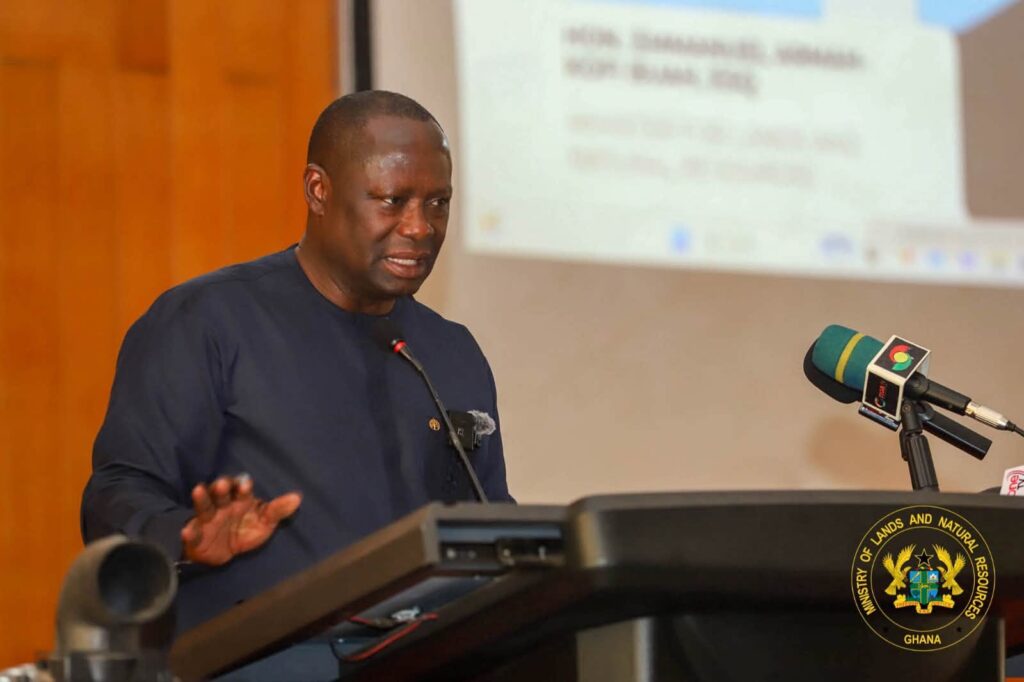
By breaking down the statutory roles and responsibilities of key duty bearers within the extractive sector, A Rocha Ghana is establishing a robust structural foundation for transparent leadership.
The engagement serves as a strategic platform to empower traditional leaders as primary custodians of the land to actively drive informed public participation, defend community interests, and foster systemic accountability throughout the Nzema East area.
Empowering Traditional Leaders as Custodians of Extractive Landscapes
Traditional authorities in Ghana hold a sacred duty as custodians of stool lands, placing them on the frontlines of resource allocation and community welfare.
However, historical imbalances in the extractive sector have frequently left traditional councils sidelined during licensing negotiations, resulting in environmental degradation, displaced livelihoods, and unfulfilled corporate social responsibilities.
Recognizing this structural deficit, A Rocha Ghana’s BRACE Project intentionally targets traditional councils like the East Nzema Traditional Council to bridge the knowledge gap between customary land governance and formal statutory mineral laws.
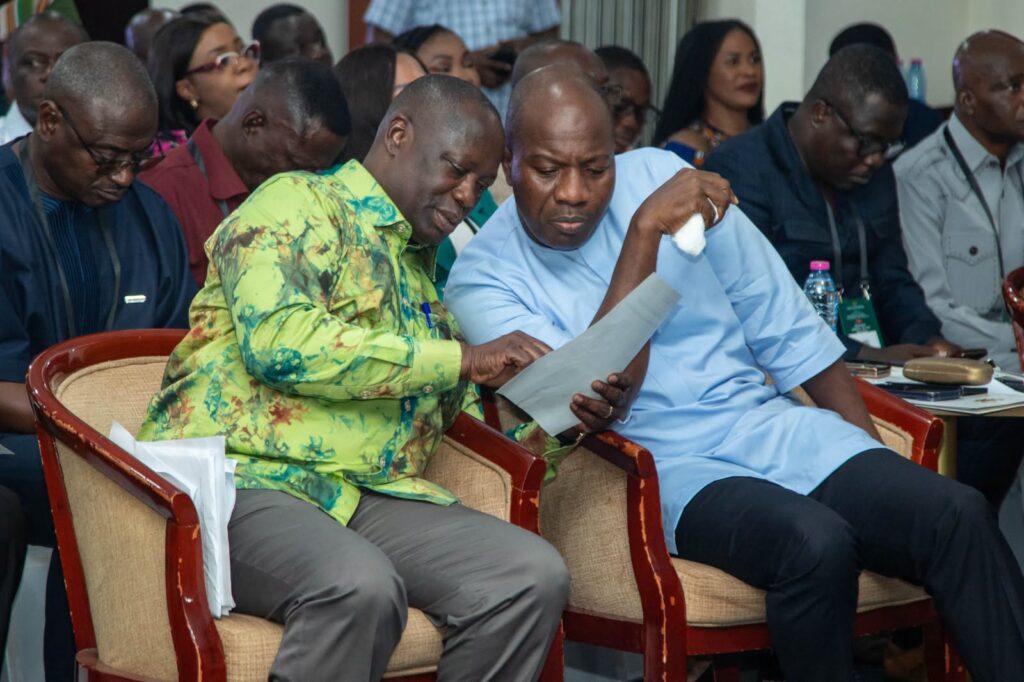
Through localized capacity building, the campaign transforms traditional rulers from passive observers into active, informed negotiators.
When Chiefs possess a thorough understanding of statutory mining licensing procedures and environmental impact assessment mandates, they are better equipped to hold regulatory bodies and private mining enterprises accountable.
This proactive engagement ensures that land lease agreements, compensation protocols, and environmental mitigation plans are not executed covertly, but rather in full alignment with the long-term strategic interests of local populations.
Grounding Mining Governance in FPIC and Human Rights
At the core of the BRACE Project’s curriculum is the rigorous enforcement of Free, Prior and Informed Consent (FPIC) alongside fundamental human rights frameworks.
FPIC serves as a vital legal and ethical standard that guarantees indigenous and local communities the autonomous right to give or withhold consent to projects affecting their lands, territories, and natural resources.
In many extractive hubs across Ghana, the absence of operational FPIC mechanisms has triggered socio-environmental conflicts, land grabbing, and severe water body contamination.
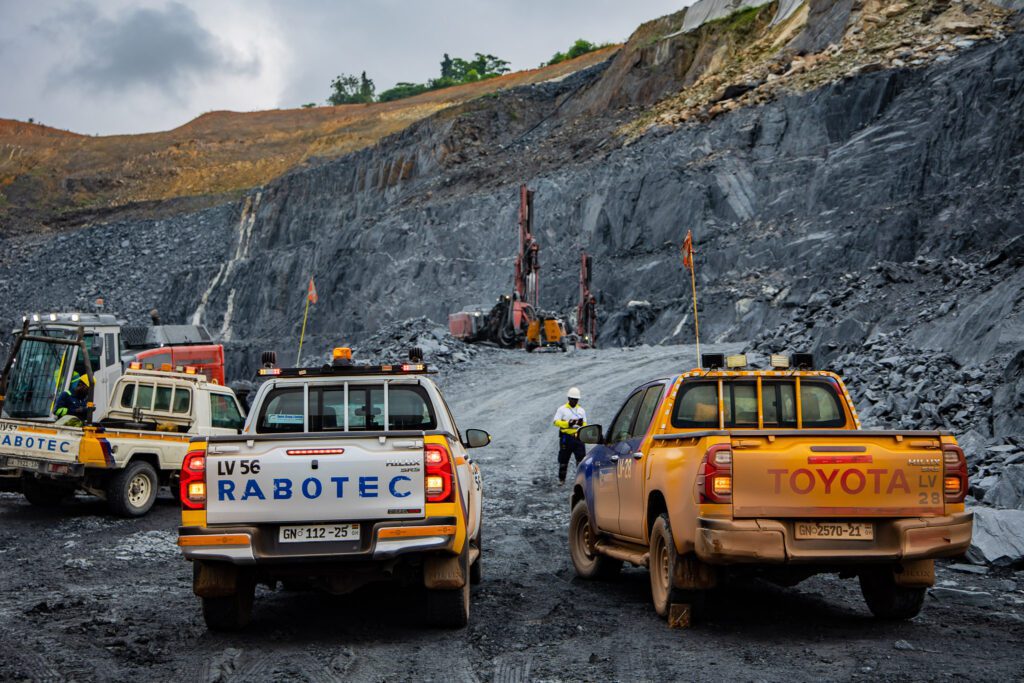
By embedding FPIC and human rights advocacy into traditional governance, A Rocha Ghana is establishing preventative mechanisms against rights violations in host communities.
Chiefs who are versed in human rights protections can effectively intervene when mining operations threaten public health, pollute agricultural watersheds, or displace local farmers without fair prompt compensation.
This rights-based approach reinforces the principle that economic resource extraction must never supersede the fundamental constitutional rights and ecological security of host communities.
Strengthening Accountability and Sustainable Environmental Management
The urgent necessity for interventions like the BRACE Project is underscored by the escalating environmental threats posed by both legal and illegal mining operations throughout southern Ghana.
Irresponsible mineral extraction has historically led to deforestation, soil erosion, and severe toxic contamination of vital river basins, crippling agrarian economies and leaving host communities ecologically vulnerable.
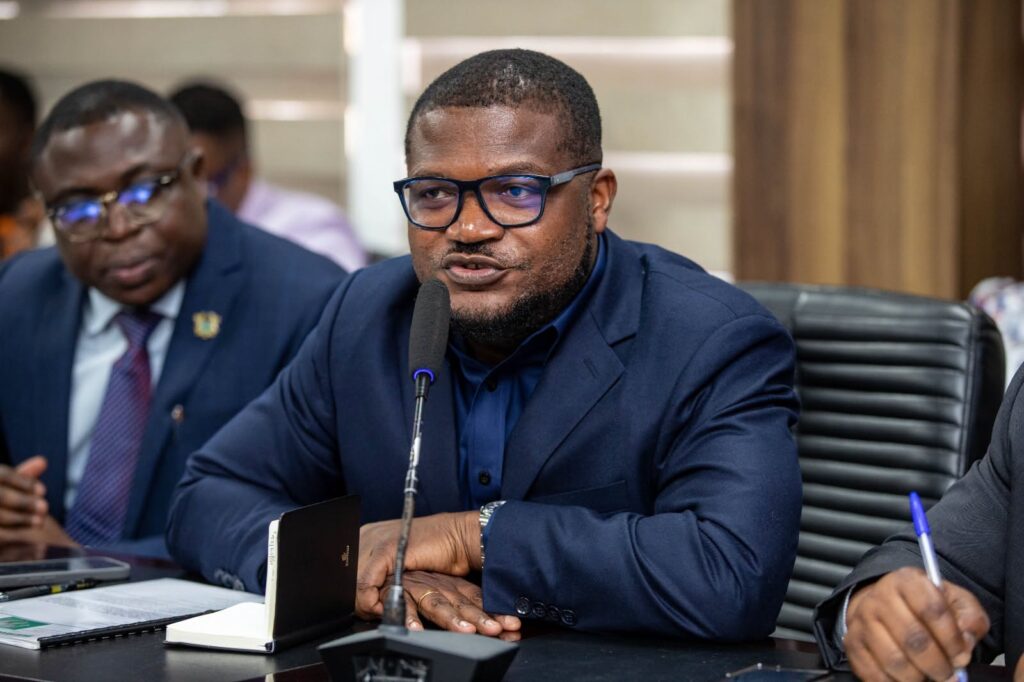
Addressing these compounding challenges requires a decentralized, multi-stakeholder governance model where duty bearers are constantly monitored by informed local leaders.
A Rocha Ghana’s campaign in Esiama establishes a sustainable blueprint for environmental stewardship by harmonizing traditional authority with contemporary ecological management practices.
By outlining the explicit legal duties of state agencies—such as the Minerals Commission and the Environmental Protection Agency (EPA) the BRACE Project empowers the East Nzema Traditional Council to demand strict adherence to environmental restoration plans and sustainable mining practices.
Ultimately, bringing traditional custodians into the core of natural resource governance ensures that mineral wealth development serves as a catalyst for inclusive regional growth rather than environmental destruction.
READ ALSO: Mahama Government Cuts Waste, Not Capital Spending – Beatrice Annan