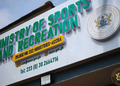
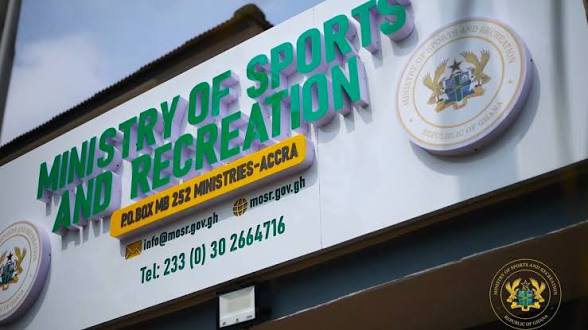
The Government of Ghana has allocated GH¢782 million to the Ministry of Sports and Recreation in the 2027 Budget, signalling its commitment to strengthening the country’s sporting sector through infrastructure development, athlete support and increased participation.
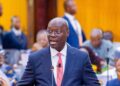
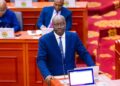
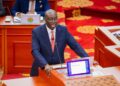
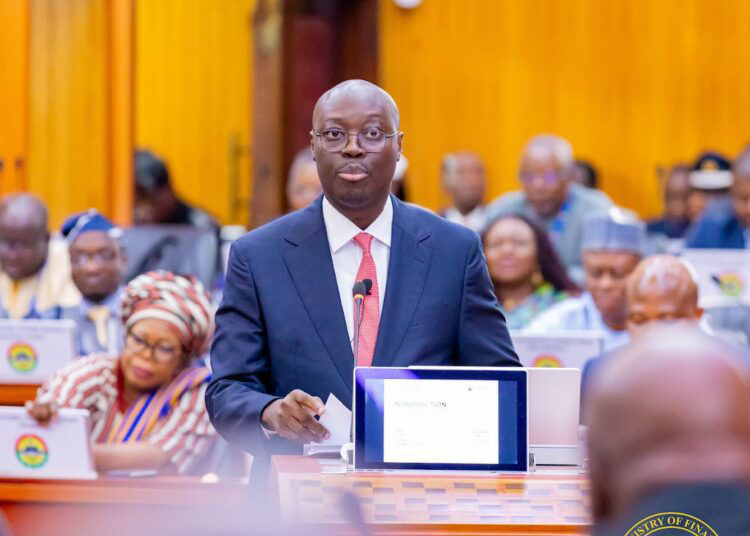
Finance Minister Dr Cassiel Ato Forson announced the allocation on Thursday, November 12, 2026, when he presented the 2027 Budget Statement and Economic Policy to Parliament under the theme The New Economy.
The proposed funding is expected to support the ministry’s activities and broader efforts to improve the development of sports across the country. “We have allocated GH¢782 million to the Ministry of Sports and Recreation to support the development of sport and the people who participate in it,” Dr Forson told Parliament.
The allocation comes at a significant time for Ghanaian sports, with the government outlining several infrastructure and development initiatives for the coming year.
Also, it provides financial backing for the Ministry as it works with the National Sports Authority (NSA), sporting federations and other stakeholders to improve the country’s sporting landscape.
Infrastructure Development Takes Centre Stage
A major component of the government’s sports agenda for 2027 is the expansion of sporting infrastructure, particularly in areas that have historically lacked adequate facilities.
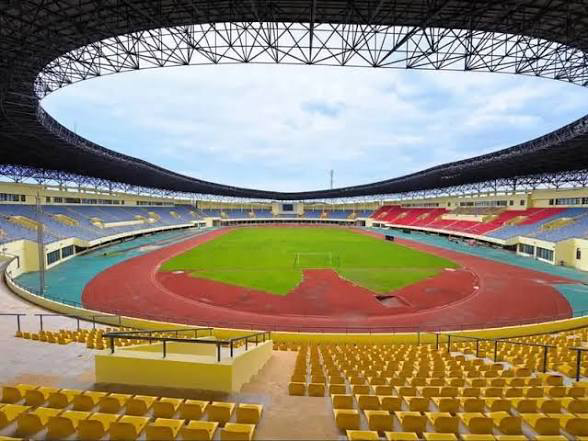
Dr Forson disclosed that the government intends to construct 10 new multipurpose sports stadia in underserved regions, with seating capacities ranging between 5,000 and 12,000 with an allocated amount of GH¢600 million.
The proposed facilities are expected to broaden access to sporting infrastructure beyond the country’s established sporting centres and provide communities with improved opportunities to host competitions and participate in different sporting disciplines.
The announcement is particularly relevant amid longstanding concerns about Ghana’s inadequate sports infrastructure.
Several existing national stadiums have faced challenges relating to maintenance, rehabilitation and compliance with international competition standards.
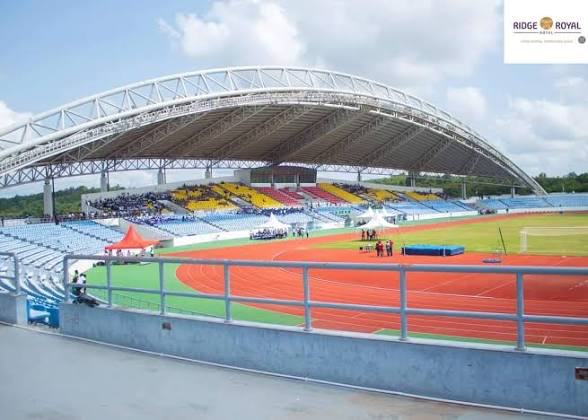
The recent difficulties surrounding the availability of approved venues for international football matches have further exposed the need for sustained investment in the country’s sporting facilities.
The GH¢782 million allocation, alongside the proposed construction programme, therefore presents an opportunity for the government to address some of these structural challenges.
However, the effectiveness of the investment will depend on how the resources are distributed, the speed of implementation and the quality of projects delivered.
Ghana’s U-20 AFCON Hosting Plans
The government’s financial commitment also comes as Ghana prepares to host the 2027 CAF Under-20 Africa Cup of Nations, a continental competition that will require substantial logistical and infrastructure arrangements.
Ghana secured the hosting rights in April 2026, with the tournament scheduled to take place from February to March 2027. The competition will feature 12 national teams and coincide with celebrations marking the country’s 70th Independence anniversary.
It will be the second time Ghana hosts the tournament, having previously staged the competition in 1999, when the Black Satellites won the championship on home soil.
However, preparations have been overshadowed by concerns about the country’s readiness to meet the Confederation of African Football’s (CAF) infrastructure requirements.
In August 2026, the then National Sports Authority Director-General Yaw Ampofo Ankrah acknowledged that Ghana did not have a “stadium ready to host the competition,” highlighting the urgency of rehabilitation and improvement works at existing facilities.
The situation attracted further attention in October following reports that Morocco and Egypt could emerge as alternative hosts if Ghana failed to satisfy CAF’s requirements. Ghana, however, has not officially lost its hosting rights and retains the opportunity to address the outstanding concerns.
The 2027 Budget’s infrastructure commitments could therefore contribute to the country’s preparations, although the construction of new community-based stadia and the rehabilitation of existing competition venues will require clearly defined implementation plans.
Beyond hosting responsibilities, the tournament is expected to generate economic opportunities through increased activity in hospitality, transportation and other service industries. It will also provide a platform for young African footballers to showcase their abilities, with the four semi-finalists earning qualification for the FIFA Under-20 World Cup.
Funding Must Translate Into Results
While the GH¢782 million allocation represents a significant financial commitment to sports, attention will now turn to how effectively the Ministry of Sports and Recreation utilises the proposed resources.
Investment in infrastructure remains important, but the development of Ghanaian sports also requires sustained attention to grassroots competitions, talent identification, coaching, athlete welfare and support for sporting federations.
For Ghanaian athletes competing internationally, adequate preparation, access to modern training facilities and appropriate technical support remain essential to improving competitiveness.
The funding also presents an opportunity to strengthen sporting disciplines beyond football, which continues to command much of the country’s attention and investment. Developing athletics, basketball, boxing, volleyball and other disciplines will require deliberate policies and equitable resource distribution.
The government’s commitment to construct 10 multipurpose stadia could also encourage wider participation by providing communities with facilities for organised sporting activities.
Nevertheless, the success of the proposed investment will ultimately be measured by tangible improvements rather than the size of the allocation alone. Transparency in expenditure, timely project delivery and accountability from the institutions responsible for implementation will be critical.
With the 2027 U-20 Africa Cup of Nations approaching and broader infrastructure ambitions on the government’s agenda, the GH¢782 million allocation places considerable responsibility on the Ministry of Sports and Recreation to translate financial commitments into measurable progress for Ghanaian sports.
READ ALSO: 2027 Budget Promises Fair Pay Through Independent Emoluments Commission