Abdul Razak Alhassan, the Communications Director of the Ghana National Association of Small-Scale Miners (GNASSM), has expressed strong support for the government’s ambitious target to refine 70 percent of Ghana’s artisanal and small-scale mining (ASM) gold locally.
While welcoming the policy as a vital step toward domestic value addition, Alhassan emphasized that realizing this milestone particularly scaling up by an additional 40 percent within the stipulated timeframe hinges entirely on the rollout of new refining facilities and the publication of a comprehensive implementation blueprint.
“Why not? The 70% can be achieved, especially by getting 40% in the year, if only they can roll out other refineries. We will be very happy as extractive industry players because we want all our gold to be refined here, value addition, and other things for the market. So I think it’s a good projection, which we are all hoping that government will come out with a roadmap to let us know how they are going to go about the whole thing.”
Abdul Razak Alhassan
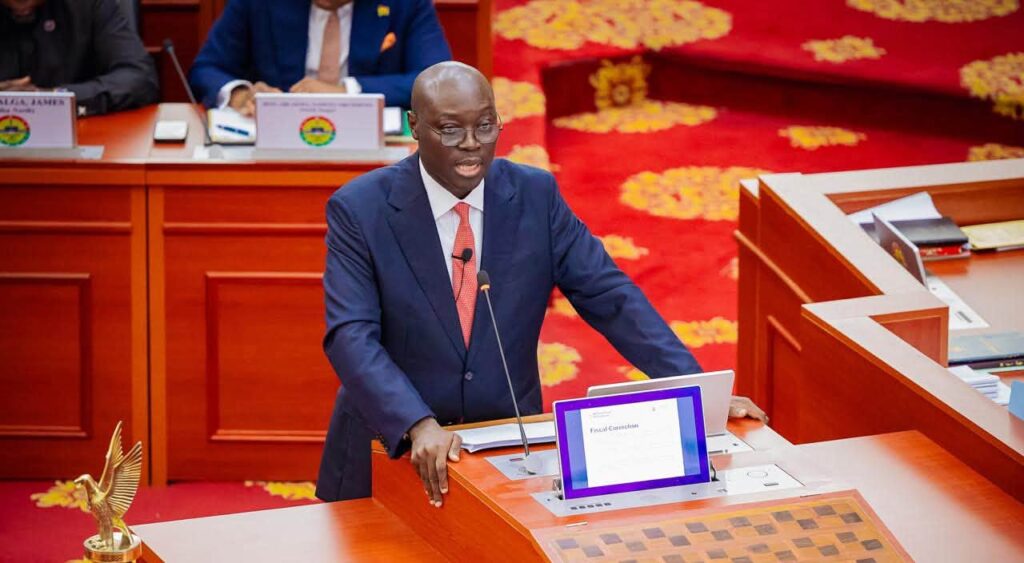
The endorsement follows the presentation of the 2027 Budget Statement and Economic Policy by Finance Minister Dr. Cassiel Ato Forson, which outlined an aggressive roadmap to retain greater mineral wealth within the domestic economy.

Under the new fiscal directive, the administration aims to elevate local gold refining from the current 30 percent threshold to at least 70 percent by December 2027, before transitioning to a full 100 percent local refining mandate by 2028.
For decades, Ghana has exported the overwhelming majority of its gold in unrefined doré form, forfeiting substantial processing margins, industrial jobs, and downstream manufacturing opportunities to foreign bullion hubs.
Bridging the Infrastructure and Capacity Deficit
Despite the optimism surrounding the policy shift, extractive industry stakeholders warn that ambitious targets must be matched by tangible infrastructural investments.
Currently, Ghana’s domestic refining ecosystem handles roughly 30 percent of national output, anchored by facilities such as the state-partnered Royal Ghana Gold Refinery and private operators like Gold Coast Refinery and Euro Gold Refinery.
Jumping from 30 percent to 70 percent within a single calendar cycle requires absorbing an additional 40 percent of output a massive logistical and technical undertaking given that the ASM sector accounts for over a third of Ghana’s total gold production.
Alhassan pointed out that operators remain in the dark regarding the specific operational mechanics the state intends to deploy to bridge this gap.
“Because for now, they are dealing with 30%. What of how do they are they coming out to get this 40%? Is it to expand or to add more refineries? That one, they need to give us a roadmap,” he noted, underscoring the urgency for clarity from the Ministry of Finance, the Ministry of Lands and Natural Resources, and the Ghana Gold Board (GoldBod).
Without clear timelines on facility licensing, assaying standards, and regional collection centers near major mining enclaves in the Western, Ashanti, and Eastern regions, miners risk facing bottlenecks that could inadvertently incentivize smuggling.
Economic Imperative for Domestic Value Addition
The strategic push toward local beneficiation is driven by pressing macroeconomic realities. Gold remains the undisputed backbone of Ghana’s export earnings generating nearly $15 billion annually and serves as the primary anchor for foreign exchange reserves and cedi stability.
Historically, exporting raw gold doré meant that foreign refineries captured the premiums associated with 99.99 percent London Bullion Market Association (LBMA) grade purification, alongside valuable by-products such as silver and platinum group metals.

By mandating domestic refining, the government seeks to keep these multi-million-dollar value chains inside the country.
Local refining stimulates ancillary industries, including jewellery manufacturing, bullion coin minting, specialized chemical supply, and high-tech laboratory assaying.
Furthermore, channeling ASM gold through regulated local refineries strengthens traceability and supply chain transparency, helping Ghana meet stringent international environmental, social, and governance (ESG) compliance standards while curbing illicit financial flows.
Aligning Policy with Sector Realities
For the 70 percent benchmark to succeed without disrupting miner liquidity, industry analysts stress that the upcoming roadmap must address pricing competitiveness and prompt payment mechanisms.
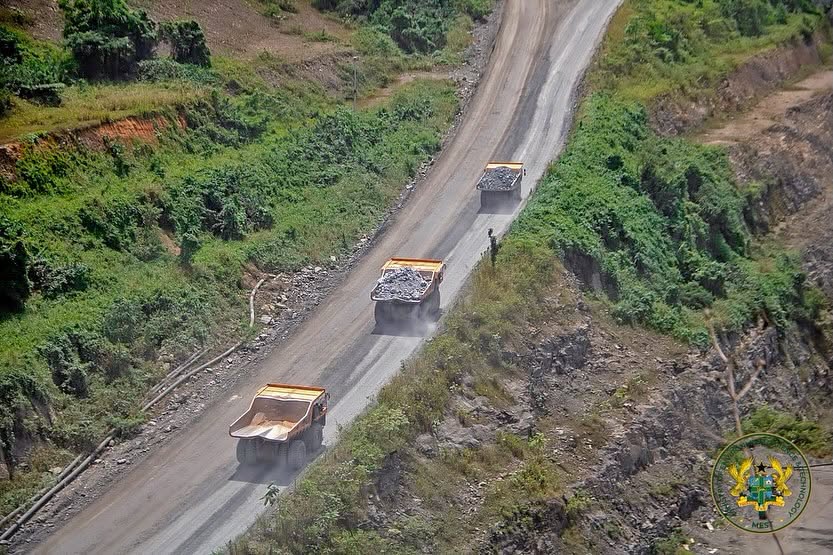
Small-scale miners operate on tight working capital cycles and rely on immediate cash settlements upon delivering their ore. Consequently, local refineries and off-takers backed by GoldBod must match or exceed the speed and pricing efficiency offered by traditional aggregator networks.
As the mining community awaits the government’s detailed execution plan, GNASSM’s leadership maintains that collaborative engagement will be decisive.
Industry players have signaled their readiness to align with national beneficiation goals, provided authorities establish predictable regulatory guidelines and expand physical refining capacity to meet the surging output of Ghana’s small-scale gold sector.
READ ALSO: Ghana’s Currency Outlook Darkens as Fitch Predicts Further Weakness