

The global solar industry is approaching an unusual turning point, with new installations expected to decline in 2026 for the first time since records began in 1976, raising questions about whether the next phase of renewable energy expansion will depend less on adding panels and more on building electricity systems capable of absorbing their output.
Jenny Chase, solar analyst at BloombergNEF, estimates that global solar installations will fall from approximately 655 gigawatts in 2025 to about 584 gigawatts this year.
Her assessment, discussed in an interview published on November 19, represents a potential reduction of roughly 11 per cent in annual additions.
“Last year about 655 gigawatts of solar was installed and this year it’s going to be about 584 or so“
The forecast marks a significant departure from the industry’s long expansion, but it does not necessarily indicate that global demand for renewable energy is collapsing.
Instead, it points to a growing challenge in markets where solar deployment has expanded rapidly: generation capacity can increase faster than electricity networks, storage infrastructure and market arrangements can accommodate it.
For Ghana, which is preparing to invest in a 600-megawatt state-owned solar facility supported by battery storage, the development offers an important lesson about the conditions required to make renewable energy investments commercially and operationally sustainable.
When More Solar Creates A Market Problem
Chase argues that some of the world’s largest solar markets are beginning to experience what she describes as saturation effects.
China is particularly important because it accounts for more than half of the global solar market. When electricity generation from solar panels rises substantially during daylight hours, supply can exceed what the grid can absorb or consumers require at that particular time.
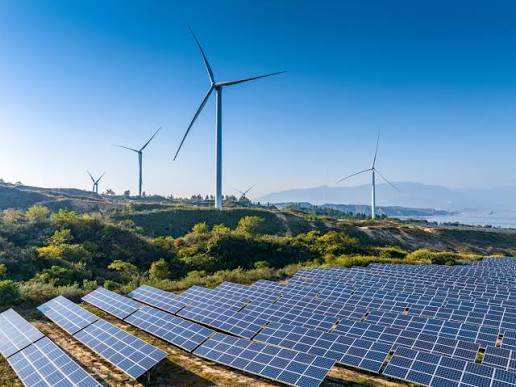
The result can be curtailment, where available renewable electricity is reduced or not dispatched, alongside lower wholesale electricity prices during periods of high solar output.
These conditions can weaken the financial incentives for developers to build additional projects.
Chase explained the emerging problem:
“You’re getting a lot of solar in sunny hours in many parts of the world including much of China, and that means that you’re getting curtailment of solar generation and low power prices on spot markets.”
China’s shift towards market-based electricity pricing has reinforced these pressures. Rather than relying on fixed electricity prices for renewable generation, developers are increasingly exposed to market conditions.
The change reflects an effort to manage the consequences of growing renewable capacity, but it also means that developers must pay greater attention to when electricity is generated and whether the market can absorb it.
The challenge is not exclusive to China. Chase identified similar saturation effects in markets including Brazil and parts of Europe.
This suggests that the next stage of solar development will require more sophisticated planning than simply increasing installed capacity.
Battery Storage Is Important, But Not A Complete Solution
Battery storage is often presented as the answer to solar intermittency because it allows electricity generated during the day to be stored and released when demand rises.
However, Chase cautioned that batteries do not automatically restore the commercial attractiveness of new solar installations.
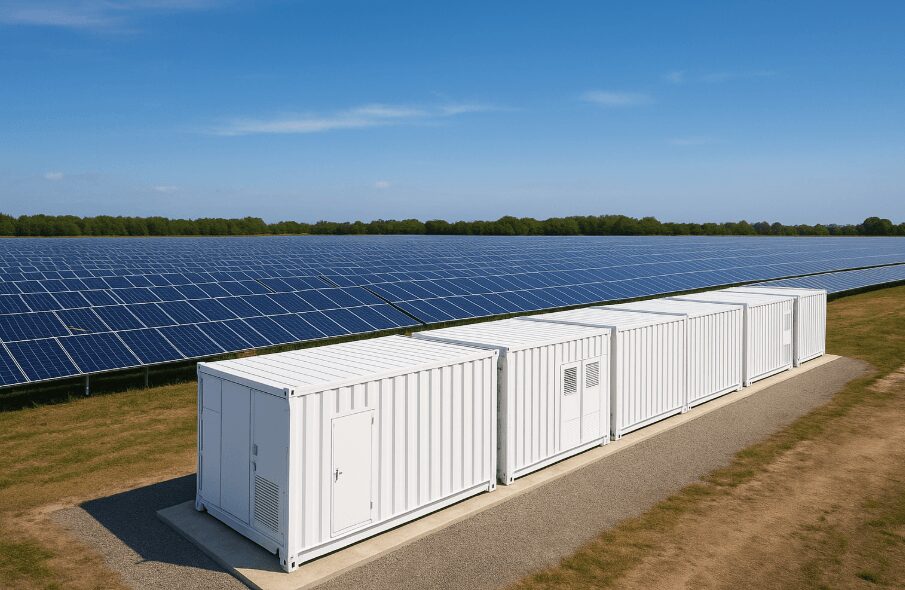
In markets where storage deployment is already increasing, batteries can reduce curtailment, but they also compete with one another for revenue from services such as frequency response and electricity price arbitrage.
She offered a striking assessment of this relationship:
“Batteries eat batteries before they help solar.”
Her point is that as more battery systems enter a market, the returns available to individual storage projects can decline. Although storage can improve the overall electricity system, its financial benefits are not unlimited.
This matters because renewable energy planning increasingly requires a combination of generation, storage, transmission and flexible demand.
A solar project may produce electricity at a competitive cost, but its value to the system will depend on whether that electricity can be transmitted, stored or consumed when it is available.
Ghana Is At An Earlier Stage Of The Transition
Ghana’s circumstances differ considerably from those of markets experiencing solar saturation.
The Energy Commission’s 2026 Energy Outlook shows that renewables contributed approximately 207 gigawatt-hours, or 0.8 per cent, of the country’s total electricity generation in 2025. Thermal generation accounted for 66.8 per cent, while hydro contributed 32.4 per cent.
This means Ghana still has considerable room to expand renewable electricity generation. The immediate challenge is not an excess of solar capacity but the ability to integrate additional generation without creating new operational and financial problems.
The 2027 Budget outlines plans for a 600MW state-owned solar power plant supported by 2,000MWh of battery storage.
Government says the storage component will help move daytime solar electricity into periods of higher demand.
“The 2,000 megawatt-hours of battery storage will shift daytime solar power into peak periods and support grid stability,” the Budget states.
The proposal recognises that solar generation and storage must be considered together. However, the wider implementation will also depend on transmission capacity, grid management, battery procurement costs and the financial arrangements governing electricity delivery.
Ghana should therefore avoid interpreting the global slowdown as evidence against expanding solar. Its own electricity mix remains heavily dependent on thermal generation, and the country’s renewable contribution is still relatively small.
The more relevant lesson is that investment in generation should be matched by investment in the systems that make electricity usable.
The Next Competition Will Be About System Value
The global solar industry is not necessarily entering a prolonged decline. Chase expects installations to recover, although growth may become more incremental as mature markets adjust to higher renewable penetration.
She also identified opportunities in Africa, where solar module sales are increasing, although affordability and limited purchasing power could slow the development of substantial markets.
For Ghana, this presents both an opportunity and a responsibility.
Lower-cost solar technologies and growing international experience could support the country’s renewable ambitions.
But projects must be assessed according to their contribution to reliable electricity supply, not simply the number of megawatts they add to the national generation portfolio.
The country’s proposed solar expansion will therefore need careful coordination with grid investments, storage deployment and demand growth.
The global experience is increasingly showing that building renewable capacity is only one part of the energy transition. The harder task is ensuring that electricity systems can use that capacity efficiently and reward investment without creating avoidable costs.
Ghana has not reached the stage of solar saturation experienced in some advanced markets. It can, however, learn from their experience before large-scale deployment creates problems that could have been anticipated.
The question is no longer simply how much solar power Ghana can build. It is how much of that electricity the country can reliably use, store and deliver when consumers need it.
READ ALSO: Chef Abbys Announces Liberia And Nigeria Food Tour