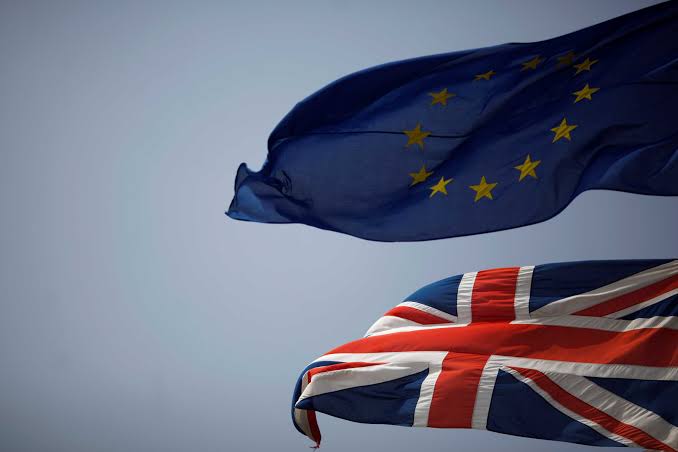
United Kingdom (UK) and the European Union (EU) are entering a decisive phase ahead of Friday’s summit in Brussels, where both sides hope to reach agreements on food trade, youth mobility and carbon emissions pricing.
Downing Street has indicated that negotiations are “going down to the wire” as the two sides work towards a series of arrangements intended to reshape aspects of their post-Brexit relationship.
The proposed agreements are expected to address some of the trade and administrative barriers introduced after Britain departed from the EU, while creating new opportunities for cooperation in areas affecting businesses, students and young people.
UK government believes that an agreement could generate economic benefits by reducing the costs associated with trading with European markets and improving access to employment and educational opportunities for younger generations.
The Prime Minister’s Spokesperson confirmed that, should an agreement be reached, the government intends to introduce legislation to Parliament next week to implement the necessary changes.
Disagreements Persist Over Youth Mobility Scheme
One of the central issues under negotiation is a proposed youth mobility scheme that would make it easier for young people from UK and EU to travel, work and study across both jurisdictions.
EU initially proposed the arrangement in 2024, seeking to allow people aged 18 to 30 to work or study in either territory for up to four years. However, the proposal was rejected by the Labour Party, which was then in opposition, on the grounds that it could amount to restoring freedom of movement.
Since assuming office, the Labour government has indicated its willingness to consider a more restricted arrangement, potentially incorporating a time limit, a cap on the number of participants entering UK and restrictions preventing beneficiaries from claiming public benefits.
UK’s demand for limits on participation has remained a major sticking point in the negotiations. EU has also sought assurances that its students attending British universities would pay the same tuition fees as domestic students.
Reports indicate that both sides are working towards a more limited agreement that could allow people under 30 to access opportunities for travel, employment and education from as early as 2028.
According to a recent report, the proposed arrangement could accommodate between 80,000 and 100,000 visas, although the precise wording and conditions remain under discussion.
UK already operates youth mobility arrangements with 13 non-EU countries, including Australia, Canada and India, providing an existing framework for temporary international exchanges.
Trade and Economic Cooperation Feature in Reset Plans
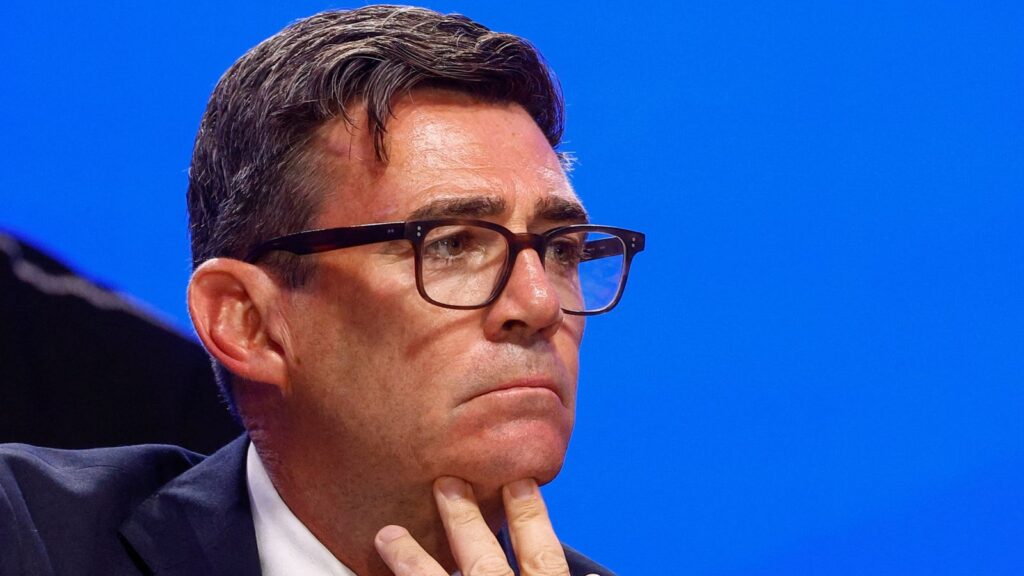
Trade arrangements are another major component of the proposed agreement, particularly efforts to reduce the checks, paperwork and administrative requirements facing British food exporters accessing EU markets.
The government believes that removing some of these barriers could generate approximately £5 billion for the UK economy while helping to reduce food prices for consumers.
However, closer alignment with European trade requirements could also require Britain to follow certain EU product regulations, including rules governing gene-edited crops and food labelling.
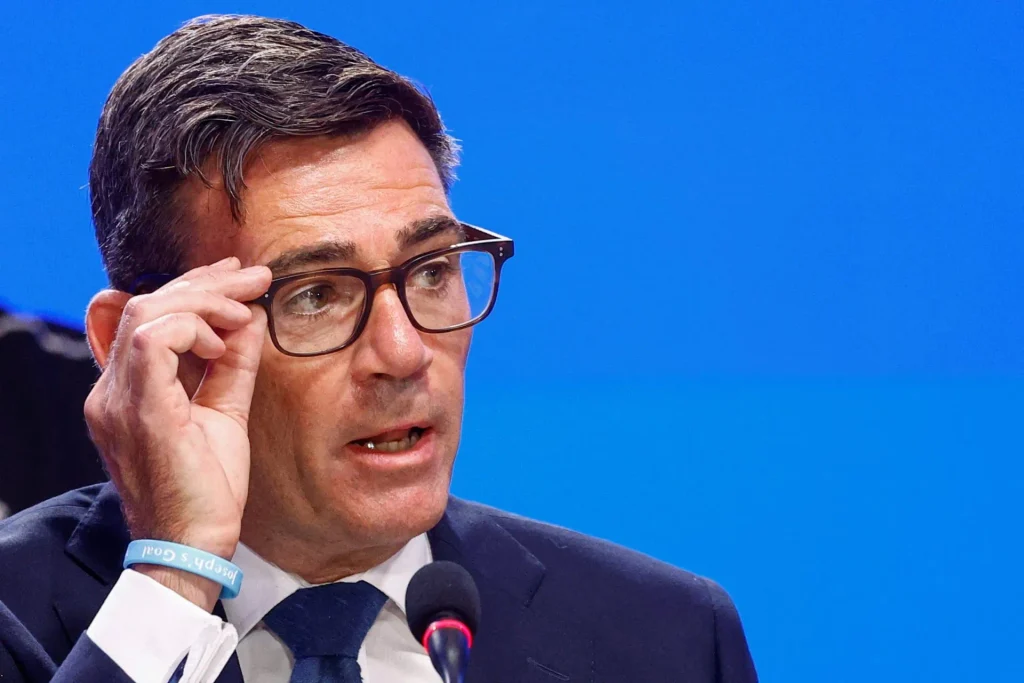
The negotiations have nevertheless attracted criticism from Conservative Party leader Kemi Badenoch, who has accused UK Prime Minister, Andy Burnham, of undermining the freedoms Britain secured through the 2016 Brexit referendum.
According to Kemi Badenoch, the central objectives of Brexit were to restore British control over public finances, legislation and immigration, warning that the proposed arrangements could reverse those gains.
“The three central purposes of Brexit were control over our money, over our laws and over our borders. On each of those, Burnham is moving us backwards.”
Kemi Badenoch
In response, the Prime Minister’s spokesperson stated that Brexit had done “more harm than good.”
Poll Reveals Changing Attitudes Towards EU Cooperation
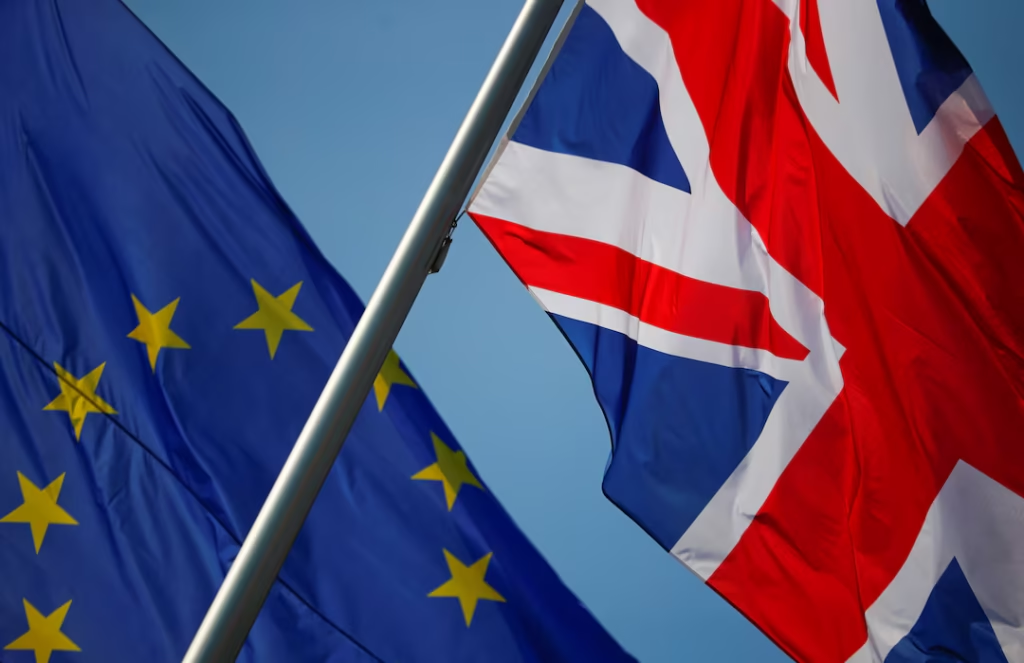
Meanwhile, the negotiations are unfolding alongside evidence of growing support for closer cooperation with the EU among people who voted to leave the bloc in 2016.
A new survey conducted by Savanta and commissioned by the Liberal Democrats found that 48% of Leave voters identified stronger cooperation on immigration as a priority for the Brussels summit.
The figure was higher than the proportion who prioritised closer trade relations and defence cooperation, at 36% and 37% respectively.
Across the wider population, reducing trade barriers emerged as the leading priority, selected by 44% of respondents. Cooperation on migration followed at 37%, while 35% prioritised closer defence ties.
The survey, which involved 2,195 people across Britain, also found that 50% of Reform UK voters prioritised immigration cooperation, compared with 24% who selected trade and 34% who favoured stronger defence relations.
Among Conservative voters, 44% identified trade and defence cooperation as priorities, while 41% selected immigration.
Speaking during Prime Minister’s Questions earlier, Andy Burnham described the existing arrangements as not “good enough for Britain.”
He also criticised Conservative MPs who opposed closer engagement with Europe, urging politicians across party lines to support agreements that could reduce food prices and remove unnecessary administrative barriers for businesses.
READ ALSO: Counsel Kpebu Praises AG’s Directive On Unlawful Detention