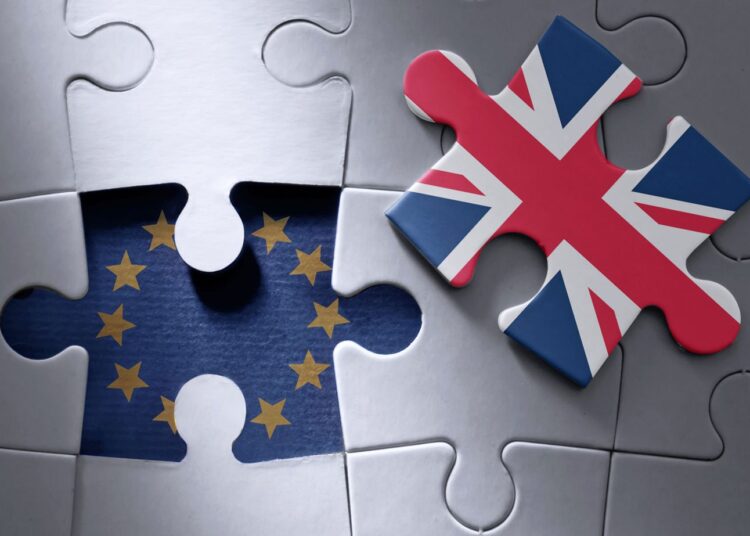
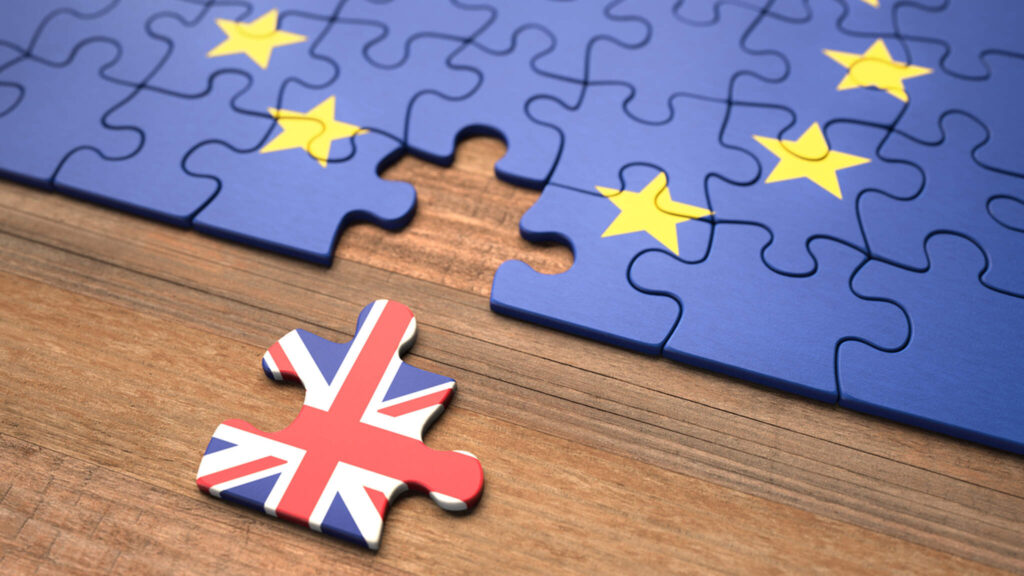
Prime Minister Andy Burnham’s decision to reopen the question of Brexit reversal has renewed concerns over Britain’s future relationship with the European Union.
In an interview with The Vaultz News, Dr Thom Oliver, Senior Lecturer in Politics at the University of the West of England, Bristol, stated that closer economic and political ties are “more plausible in the near term than full EU membership.”
“However, Andy Burnham’s intervention at the Labour Party conference has made rejoining a serious political question again.
“His speech and subsequent comments have reopened discussion of Britain’s long-term options, including a customs union, single-market participation and membership itself.”
Dr Thom Oliver
The Prime Minister has moved away from the previous Labour government’s firm rejection of closer institutional ties with Europe, arguing that Britain needs to reassess its relationship with what remains its largest trading partner.
Andy Burnham has also acknowledged that Brexit has failed to deliver the level of control promised by its supporters, linking the issue to Britain’s economic performance and immigration system.
At the Labour conference, Burnham argued that Britain could not establish a clear long-term direction without deciding what relationship it wanted with its European neighbours.
He also committed to using the forthcoming summit to present the available options and seek a broader consensus around Britain’s future position.
That intervention has since triggered responses across Europe and within British politics. French Finance Minister Roland Lescure has invited Britain to return to the EU if it chooses to do so, while Brexit supporters have criticised the renewed discussion
Yet Dr Oliver believes the political opening should not be confused with “an imminent British application for membership.”
Burnham Brings Britain’s European Future Back into Focus
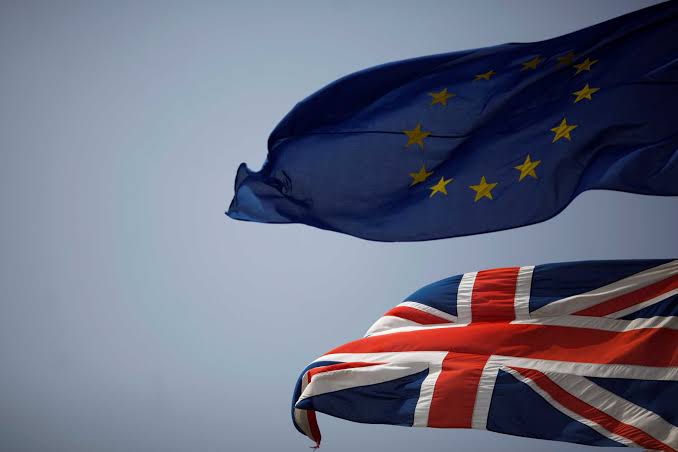
Burnham’s intervention has nevertheless changed the political character by bringing EU membership back into serious consideration.
The Prime Minister did not commit the government to rejoining the EU, but he explicitly placed full membership alongside other possible arrangements for consideration. He has also maintained that the government will examine the choices before setting out a longer-term position.
According to Dr Oliver, “the proposed discussion around November’s UK–EU summit will be an important test of how that opening becomes policy.”
Meanwhile, recent negotiations have faced disagreements over issues including the EU’s proposed “Made in Europe” industrial rules, illustrating how cooperation can become complicated once specific economic interests and regulatory requirements enter the discussion.
Economic Case Meets Political Reality
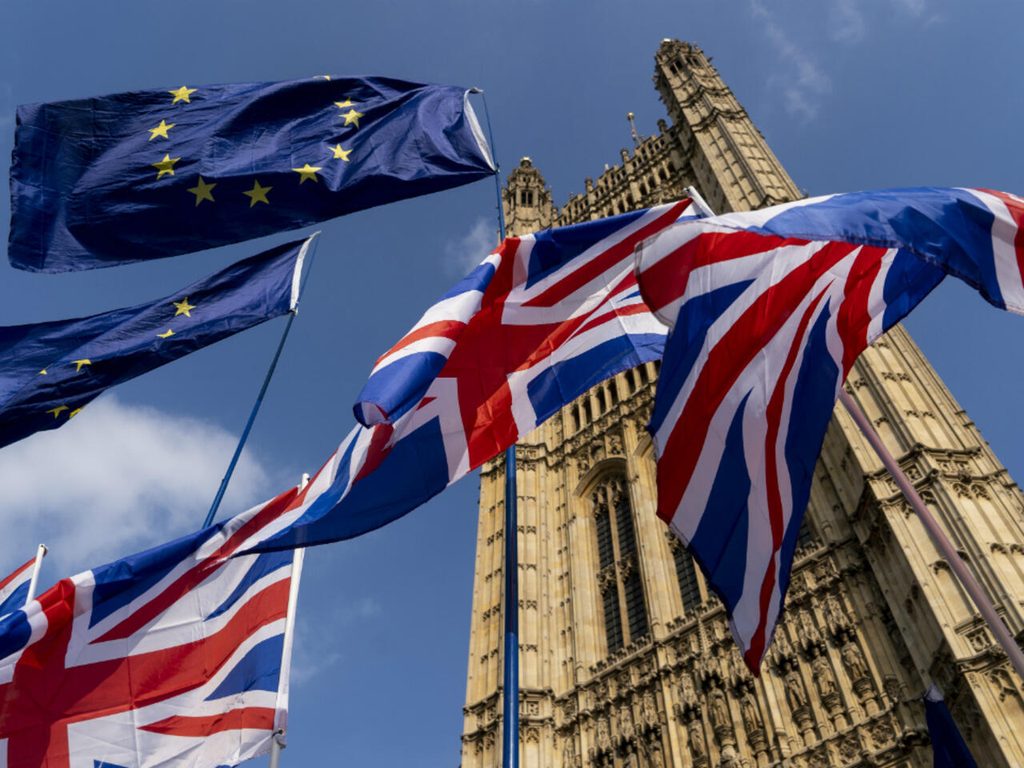
In addition, Dr Oliver pointed to the Office for Budget Responsibility’s longstanding assessment that Brexit will reduce “Britain’s long-run productivity by around 4%” relative to the counterfactual in which the country remained in the EU.
The OBR currently continues to assume that Brexit will lower UK trade by 15% and productivity by around 4% over the long run.
“That is an estimate against an alternative economic path, rather than a claim that the economy shrinks by 4% every year.”
Dr Thom Oliver
The assessment is principally linked to the effect of higher trade barriers and lower trade intensity on productivity.
“Closer integration could reduce trade barriers and support investment, but rejoining would neither automatically recover all those losses nor resolve Britain’s wider economic weaknesses.”
Dr Thom Oliver
The OBR has noted that UK productivity growth has been persistently weak since the financial crisis, with average annual productivity growth falling from 2.1% between 1998 and 2007 to 0.6% between 2010 and 2019.
Public opinion could nevertheless give Burnham room to explore a closer relationship.
Dr Oliver pointed to YouGov polling conducted on September 24–25 showing 59% support for rejoining the EU, while 73% backed closer relations without necessarily returning to the bloc, the single market or customs union.
Those figures, he stressed, should not be treated as competing referendum results because respondents were asked separate questions.
“Support for returning depends partly on the terms of the return,” Oliver noted.
“For Labour, the opportunity is to connect European cooperation with growth, living standards and practical improvements. The political risk is that negotiations reopen disputes over sovereignty, immigration and democratic consent.”
Dr Thom Oliver
A full return would present the greatest political and institutional challenge. Britain would need to apply through the EU accession process, secure unanimous approval from member states and negotiate its terms rather than simply restore the arrangements it enjoyed before Brexit.
The European side would also have its own concerns about the durability of any British commitment.
“My view is that European governments would also want confidence that British membership could survive a change of government. A durable domestic settlement therefore matters to the negotiations themselves.”
Dr Thom Oliver
Security Threats Drive Closer Britain-EU Cooperation
Also, security considerations could strengthen the case for cooperation without necessarily making full membership the immediate objective.
Britain and the EU already have a Security and Defence Partnership covering areas including Ukraine, sanctions, maritime security, hybrid threats and defence cooperation.
“Russia’s war against Ukraine and shared security threats create strong incentives for Britain and its European neighbours to coordinate sanctions, defence and diplomacy. Membership could deepen Britain’s influence, but considerable cooperation is already possible outside the EU.”
Dr Thom Oliver
Summing up his assessment, Oliver stated: “My expectation is that practical agreements will advance before any membership application.”
READ ALSO: Nestlé Expansion Advances Ghana’s 24-Hour Economy