The Communications Minister, Digital Technology and Innovation, Honourable Samuel Nartey George, has challenged the FBI’s portrayal of a recent cybercrime crackdown in Ghana, insisting that Ghanaian agencies led the operation with support from international partners.
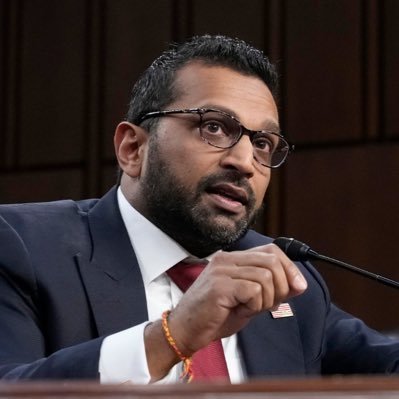
Honourable Nartey made the clarification after FBI Director Kash Patel presented the action as part of the bureau’s Operation Blackout targeting scam centres around the world.
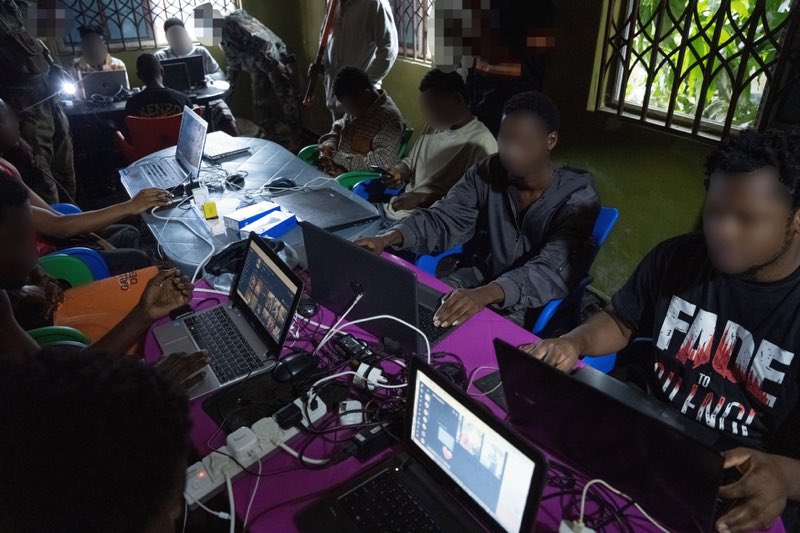
Mr Patel’s post on X reported “nearly $10 million in identified losses, 89 victims identified and 130+ individuals arrested or detained, alongside 300+ devices seized.”
He also noted that some of those detained were trafficking victims who would be repatriated to their home countries, while the investigation remains active.
Responding to the post, the Member of Parliament for Ningo Prampram contended that the operations did not take place in the week suggested by the FBI Director. Honourable Nartey explained that four operations were conducted between September 25 and 28 under Ghana’s Operation Cyber Hunt, with the Cyber Security Authority serving as the lead agency.
Detailing the operational structure, he pointed to collaboration between the Cyber Security Authority, the Ghana Police Service’s Criminal Investigations Department, the National Security Secretariat and other state institutions. He further named the United Kingdom’s National Crime Agency as the principal international partner supporting the intelligence-led exercise.
“On this particular operation, let it be known and let it be clear that the FBI did not lead the operation. Absolutely not. In fact, during the conduct of the operation, there were no FBI officers involved.”
Hinourable Samuel Nartey George
Against this backdrop, Honourable Nartey reiterated that the FBI’s involvement stems significantly from the nationality of many of the victims uncovered through the investigation. He explained that because several of the alleged crimes targeted United States citizens, the FBI has a legitimate role in the prosecution of offences falling within US jurisdiction.
Turning to the chronology of the exercise, the Communications Minister recalled that Ghana has already undertaken extensive cybercrime enforcement before the latest operations. He disclosed that more than 4,000 people were arrested for cybercrime during the previous year as part of the government’s effort to confront Ghana’s reputation as an emerging destination for online fraud.
The Minister also revealed that some Nigerian nationals were rescued during the latest operation after being trafficked into the alleged scam environment. He noted that arrangements were being made with the Nigerian High Commission to facilitate their repatriation.
Meanwhile, Honourable Nartey objected to any suggestion that Ghana simply provided the location for an FBI operation. He reiterated that such a portrayal fails to capture the work undertaken by Ghanaian security and intelligence institutions and the international cooperation that supported the investigation.
The Communications Minister therefore urged a more accurate account of the operation as authorities continue pursuing leads. His response follows Mr Patel’s description of the Ghana action as “another takedown this week out of Ghana”, a characterisation the Minister disputed on X.
Minister Of Communication Warns FBI Over Ghana Cybercrime Cooperation
The Communications Minister, Samuel Nartey George, also cautioned the FBI against allowing public statements on Ghana’s cybercrime operations to undermine the international partnerships supporting the country’s fight against digital fraud. Honourable Nartey maintained that effective action against transnational cybercrime depends on mutual respect between jurisdictions and careful handling of sensitive operational information.
In his response to the FBI Director’s post, he reminded him that Ghanaian authorities and international partners have worked together over an extended period to disrupt networks whose activities cross national boundaries.
Framing the matter around the future of that cooperation, Honourable Nartey cautioned that public attribution of an ongoing operation to a single foreign agency could create unnecessary difficulties for the agencies still working on the ground. He intimated that the immediate objective should be completing the investigation and securing its outcomes, rather than competing over recognition.
“The beneficiaries of the operation should be the last to be speaking about it. They should allow us to complete the work we are doing, not create unnecessary bottlenecks for us, and allow us to execute.”
Honourable Samuel Nartey George
On this point, the Communications Minister disclosed that Operation Cyber Hunt is active and has not reached “its conclusion when the FBI Director published his statement.” He added that publicity surrounding an unfinished intelligence operation could alert suspects and complicate efforts by investigators to pursue additional leads.
Referencing the international dimension, Honourable Nartey singled out the United Kingdom’s National Crime Agency for its contribution to the Cyber Hunt exercise. He explained that the agency has worked closely with Ghanaian authorities without publicly claiming ownership of the operation, which he presented as an example of the discretion required in sensitive cross-border investigations.

The Minister further intimated that Ghana’s cooperation with the United States is valuable despite the disagreement over the public presentation of the operation. He noted that the FBI has an important role when investigations involve American victims, particularly where alleged offences require action within the United States legal system.
Nevertheless, he reiterated that collaboration cannot operate effectively if one jurisdiction’s contribution is portrayed as overriding the work of its partners. His position reflects the concern that operational publicity should not interfere with intelligence gathering, arrests or subsequent prosecution.
Discussing the wider fight against cybercrime, Honourable Nartey reiterated that no country can independently tackle networks operating across multiple jurisdictions. He explained that criminals, victims, financial transactions and digital infrastructure can be located in different countries, making cooperation between law enforcement agencies essential.
READ ALSO: Chamber of Mines Pledges Support for Reforms to Deepen Local Participation