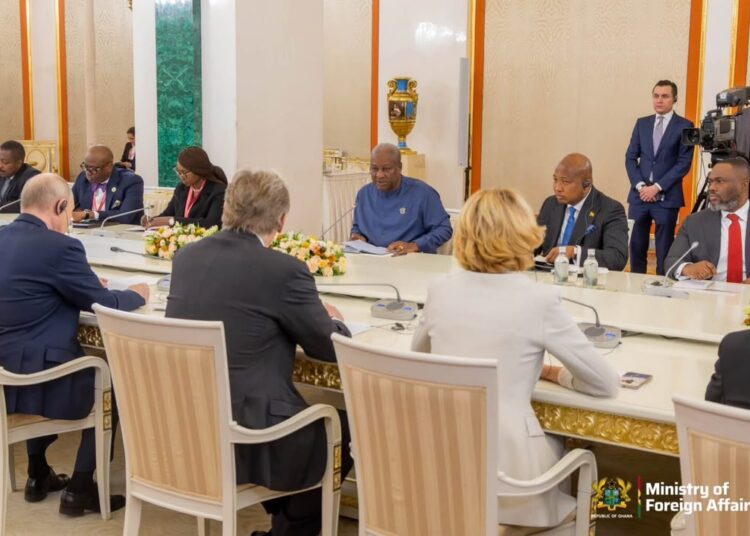
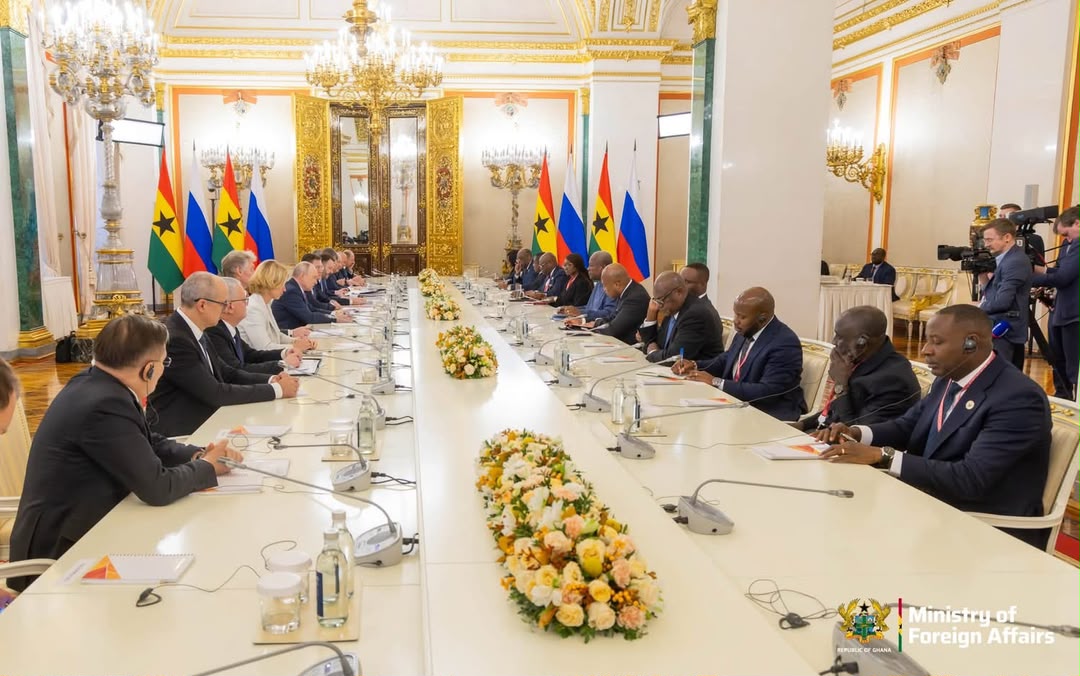
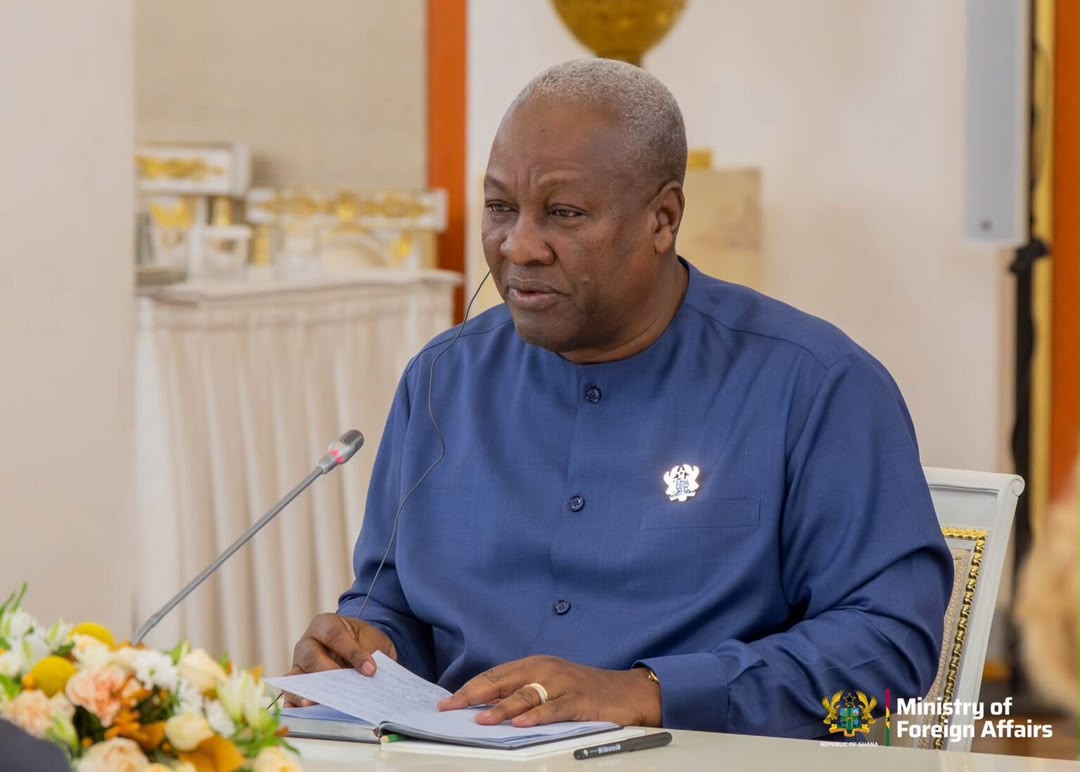
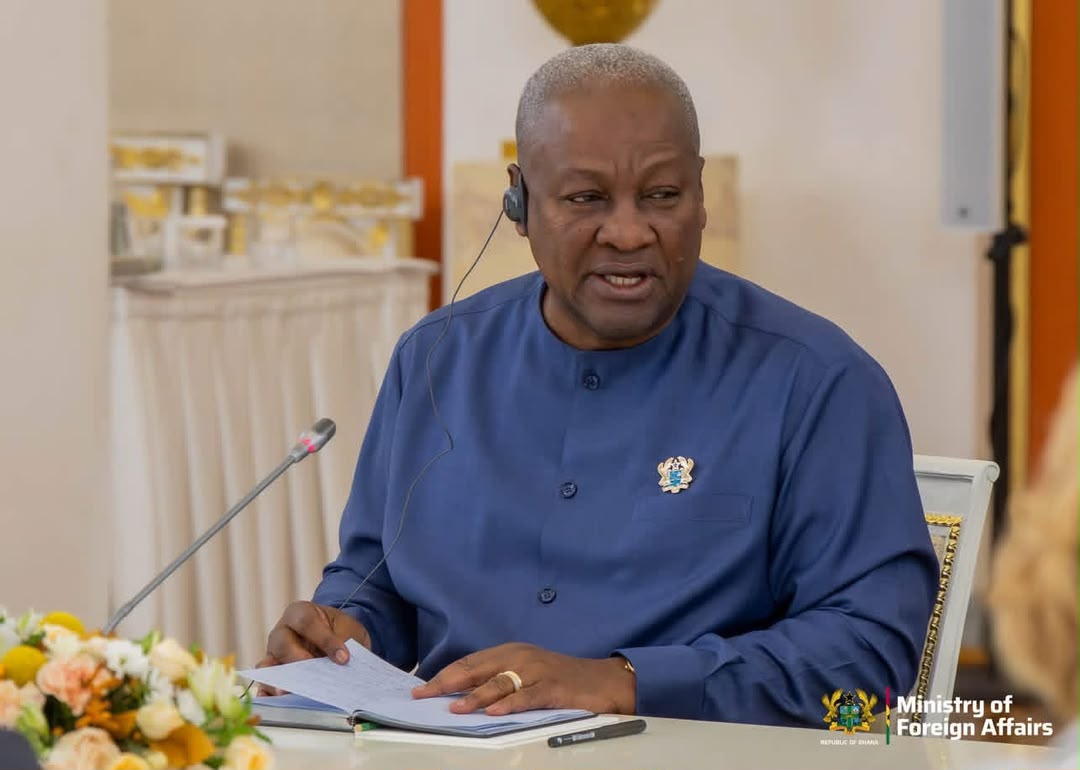
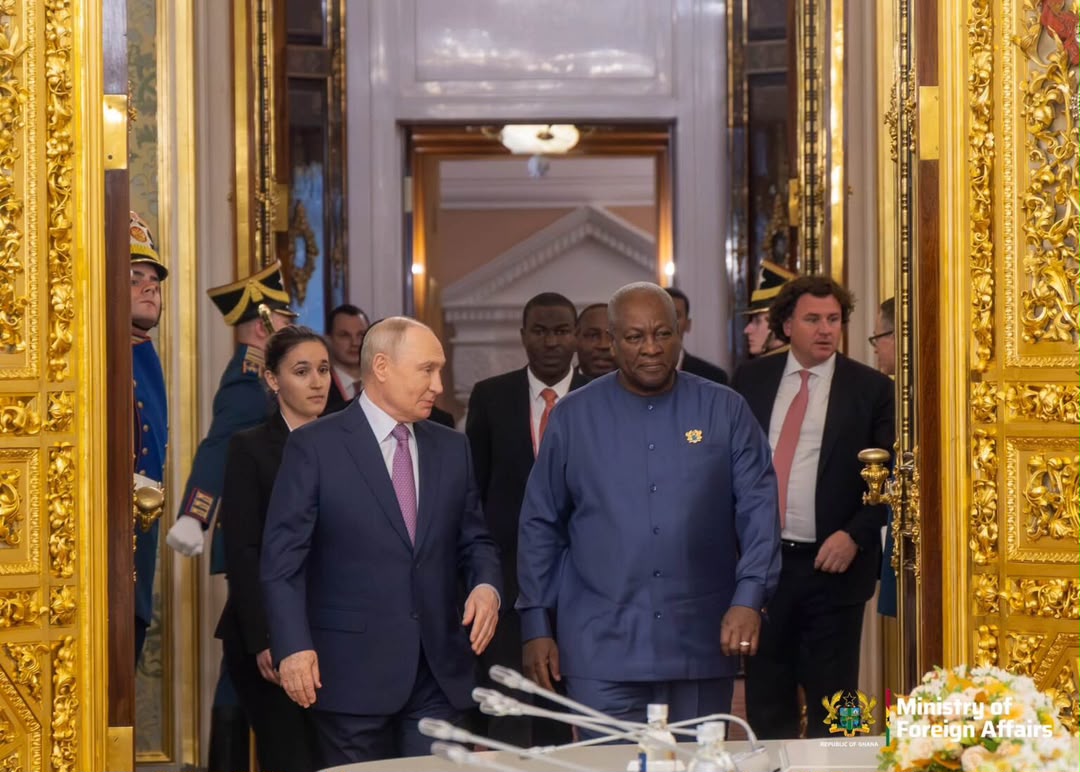
Ghana’s pursuit of nuclear power has received a significant political boost following talks between President John Dramani Mahama and Russian President Vladimir Putin, with Russia agreeing to work with Ghana towards establishing a proposed 2,000-megawatt nuclear power plant.
The commitment, announced by Foreign Affairs Minister Samuel Okudzeto Ablakwa following the Russia-Africa Summit, places nuclear energy firmly within the latest phase of Ghana’s engagement with Moscow.
It also revives a national ambition associated with Ghana’s first President, Osagyefo Dr Kwame Nkrumah, whose plans for nuclear development were interrupted by the military coup of February 28, 1966.
The proposed 2,000MW facility would represent a major addition to Ghana’s electricity generation ambitions, with potential implications for long-term energy security, industrial development and the country’s future electricity mix.
In announcing the outcome of the presidential discussions, Ablakwa wrote:
“Russia has agreed to work with Ghana to establish a 2,000 megawatts nuclear power plant to guarantee energy security and anchor industrialization.”
The announcement is significant because it moves Ghana’s nuclear ambitions beyond the general expression of interest in peaceful nuclear energy and places a specific generation capacity at the centre of the proposed cooperation.
However, the commitment to work together should not be confused with a final investment or construction agreement. The minister’s announcement does not disclose the proposed plant’s location, financing arrangements, construction schedule, reactor technology or the institutional framework through which the project would be implemented.
Those details will determine how the political commitment translates into an executable energy project.
A Return To Nkrumah’s Nuclear Vision
The proposed cooperation also carries historical significance.
Ablakwa linked the latest development to Nkrumah’s ambition to introduce nuclear technology into Ghana’s development plans, arguing that the current initiative represents a revival of work that was interrupted following the 1966 coup.
The Foreign Affairs Minister described the proposed project as:
“A revival of Osagyefo Kwame Nkrumah’s vision.”
Nkrumah viewed scientific and technological advancement as important to Ghana’s industrial transformation. The nuclear ambition formed part of that broader development outlook, although the political changes of 1966 disrupted the preparatory work associated with it.
The latest engagement with Russia therefore connects a historical national aspiration with a renewed effort to establish nuclear power as part of Ghana’s long-term electricity strategy.
The symbolism, however, is only one part of the story. More importantly, the proposed plant raises questions about the country’s ability to turn a long-standing ambition into a technically sound, financially sustainable and operationally viable project.
Ghana’s nuclear ambitions have been discussed across successive administrations, with the broader objective of diversifying electricity generation and securing dependable power for economic development.
The latest commitment could give that process renewed political momentum, but its eventual success will depend on the decisions and institutional work that follow.
Why 2,000MW Matters To Ghana’s Energy Future
The proposed capacity of 2,000MW places the project within the category of major generation infrastructure.
For Ghana, the attraction of nuclear power lies partly in its potential to provide large-scale electricity generation that is not dependent on weather conditions in the same way as solar and hydropower.
Nuclear generation can operate continuously, making it a potential source of firm electricity for a system that must meet household, commercial and industrial demand.
That characteristic is particularly relevant to Ghana’s industrialisation ambitions.
Reliable electricity is essential for manufacturing, processing, mining and other energy-intensive activities. Industries require power that is not only available but also sufficiently dependable and competitively priced to support production, investment planning and expansion.
The proposed nuclear facility is therefore being presented as more than an additional source of electricity. Its stated purpose is to support energy security and provide a foundation for industrial development.
A 2,000MW project would nevertheless need to be assessed against Ghana’s future electricity demand, existing generation capacity, transmission infrastructure and the financial capacity of the power sector.
The plant’s contribution would also depend on how it is integrated into the national grid. Large generation facilities require adequate transmission infrastructure to transport electricity to demand centres, while the power sector must have the commercial arrangements to purchase and distribute the electricity sustainably.
Consequently, the proposed cooperation will have implications beyond the construction of a generating facility. It could require coordinated planning across generation, transmission, regulation, financing and electricity market arrangements.
From Political Commitment To Project Delivery
Russia’s agreement to work with Ghana provides a basis for further engagement, but several important questions remain unanswered.
Nuclear power projects are capital-intensive and require extensive preparation before construction can begin. Decisions on technology, project financing, site selection, regulatory approval, nuclear safety, environmental protection, fuel supply and radioactive waste management are central to determining whether a project can proceed.
Ghana will also need to ensure that the proposed development fits within the country’s long-term electricity planning and that the associated financial obligations do not create unsustainable pressure on the energy sector or public finances.
The institutional responsibilities will be equally important. Nuclear development requires a strong regulatory framework, technical expertise, independent safety oversight and clear accountability among government institutions, project developers and operators.
Cooperation with Russia could potentially provide access to technical expertise and experience in nuclear development.
But the precise nature of the proposed partnership, including the responsibilities of each side, has not yet been outlined in the minister’s announcement.
The distinction matters because an agreement to cooperate is an important starting point, but it does not by itself establish that financing has been secured or that construction is ready to commence.
For Ghana, the next phase will therefore involve translating the political commitment into a clearly defined project with transparent costs, responsibilities, timelines and safeguards.
Nuclear Power And Ghana’s Industrialisation Agenda
The proposed plant also brings the relationship between energy policy and industrial development back into focus.
Ghana’s ability to expand manufacturing and move further into value addition will depend partly on the availability of reliable and affordable electricity.
Energy-intensive industries, in particular, require long-term confidence in power supply and pricing before committing significant capital.
Nuclear power could contribute to that objective if the proposed project is delivered on commercially sustainable terms and integrated effectively into the electricity system.
It would also add another dimension to Ghana’s efforts to diversify its generation sources. The country already relies on a combination of thermal and hydropower, alongside a smaller contribution from renewable sources. Nuclear generation would introduce another technology into that mix.
But diversification must be evaluated in terms of cost, reliability, flexibility and the wider requirements of the electricity system.
The question is not simply whether Ghana can establish a nuclear plant, but whether the project can deliver dependable electricity at a cost that supports consumers, industry and the financial sustainability of the power sector.
That assessment will be essential as the government considers the scale of the proposed investment and the country’s long-term energy requirements.
An Ambition Awaiting Its Implementation Framework
The announcement from the Russia-Africa Summit gives Ghana’s nuclear programme renewed political attention and establishes a proposed 2,000MW facility as a major objective of the engagement between Mahama and Putin.
It also gives fresh relevance to Nkrumah’s interrupted nuclear vision, linking the country’s historical development ambitions with a contemporary effort to strengthen energy security and industrial capacity.
Yet the measure of progress will not be the announcement alone. It will be the extent to which Ghana and Russia establish the technical, financial, regulatory and institutional arrangements required to move the proposal forward.
For now, the commitment signals an intention to cooperate on a major nuclear power project. The next test is whether that intention can be converted into a bankable, safe and deliverable investment capable of serving Ghana’s electricity needs over the long term.
The revival of Nkrumah’s ambition may provide the historical narrative. The project’s financing, technical feasibility, regulatory preparation and eventual delivery will determine whether Ghana finally turns that ambition into an operating nuclear power facility.
READ ALSO: Badenoch Describes British Empire as “Overall a Force for Good”