
Ghana is moving nuclear power from the margins of its energy debate toward the centre of its long-term electricity strategy, with senior government officials increasingly presenting the technology as a strategic tool for industrialisation rather than a distant or purely technical ambition.
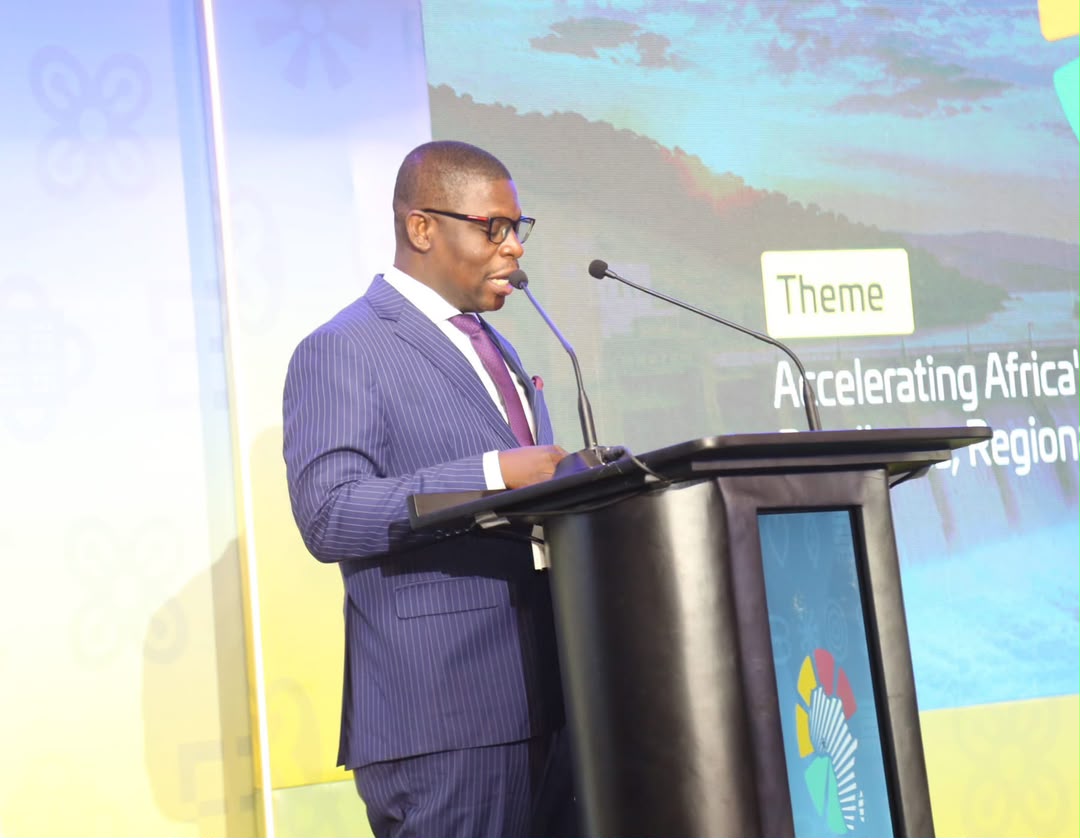
The latest signal came from Deputy Minister for Energy and Green Transition Richard Gyan-Mensah, who has backed calls for Ghana and other African countries to pursue nuclear investment more aggressively as part of the continent’s energy transition.
His intervention reflects a broader policy shift in which nuclear energy is being framed not simply as an alternative source of power, but as a potential pillar of future economic transformation.
The argument emerging from government is that Africa’s rapidly growing economies may struggle to meet rising electricity demand through intermittent renewable energy and fossil fuels alone, particularly as manufacturing, mining, digital infrastructure, transport electrification and urbanisation expand.
Nuclear power is increasingly being viewed as a strategic investment for countries seeking reliable baseload electricity, lower emissions and stronger long-term energy security.
Deputy Minister for Energy and Green Transition Richard Gyan-Mensah argued in previous comments
Why the nuclear conversation is changing
For years, Ghana’s nuclear discussion centred largely on technical feasibility and institutional preparation. The debate is now shifting toward financing, governance and implementation.
The change is being driven by a simple reality: electricity demand is expected to rise significantly as the country pursues industrialisation and seeks to support energy-intensive activities such as data centres, mineral processing, manufacturing and future transport electrification.
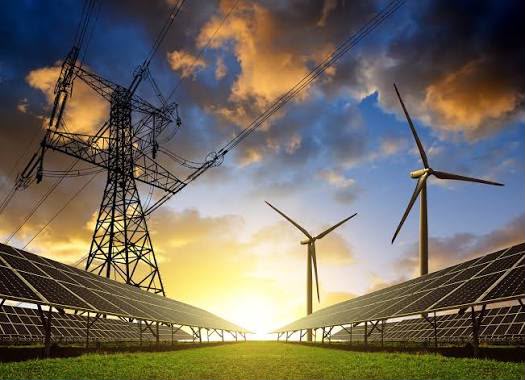
Unlike solar and wind, nuclear plants can operate continuously, making them attractive for systems that require stable power while integrating larger amounts of variable renewable energy.
This is particularly relevant for Ghana, whose generation mix remains dominated by hydropower and thermal plants fuelled by natural gas and liquid fuels, while utility-scale renewables still contribute a relatively small share of total electricity supply.
A deliberate diversification strategy
Government officials increasingly present nuclear energy as part of a diversification strategy rather than a replacement for existing technologies.
The objective appears to be the creation of a more balanced system in which hydro, gas, renewables and nuclear each play complementary roles.

Gas can provide flexibility, hydro offers relatively low-cost renewable power, solar and wind can expand clean-energy capacity, and nuclear could eventually supply the firm baseload electricity needed for continuous industrial operations.
That framing is important because it avoids the false choice between nuclear and renewables that often dominates public debate.
From feasibility to institutional preparation
Ghana has spent years working with international institutions to develop the regulatory and institutional structures required for a nuclear programme.
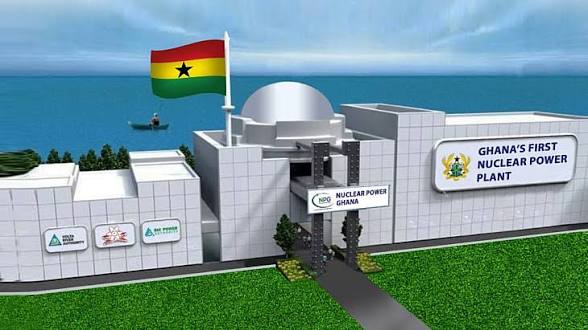
Discussions have intensified around the proposed establishment of a Ghana Nuclear Power Company, which is expected to become a central vehicle for developing the country’s first nuclear plant.
The issue has also gained an international dimension.
Russia’s Ambassador to Ghana, Andrei Ordash, recently stated that a memorandum of understanding between the Ghana Atomic Energy Commission and Rosatom had created a basis for possible cooperation, including technical training for Ghanaian personnel.
The emphasis on human-capacity development is significant because a nuclear programme requires thousands of engineers, operators, regulators, safety specialists and support personnel over several decades.
Global momentum strengthens the policy case
Ghana’s nuclear push is unfolding against a broader resurgence in global interest in atomic energy.
According to the World Nuclear Association, nuclear generation reached a record 2,667 terawatt-hours in 2024, while global capacity is projected to rise substantially by 2050 as countries seek reliable electricity alongside lower emissions.

Ghana has endorsed the international declaration calling for a tripling of global nuclear capacity, placing it among countries supporting a larger role for nuclear energy in future electricity systems.
For African policymakers, the attraction is increasingly strategic rather than ideological: reliable electricity remains fundamental to industrial competitiveness.
Africa’s wider nuclear reawakening
South Africa remains the continent’s only country operating a commercial nuclear power station, but Egypt is constructing a major nuclear facility at El Dabaa, while Ghana, Kenya, Nigeria, Rwanda and Morocco are all exploring nuclear options at different stages of planning and institutional preparation.
The common challenge is the same: economies that need much more electricity but also face pressure to reduce long-term carbon intensity.
Nuclear power offers one possible route because it can produce large volumes of electricity with relatively low operational greenhouse-gas emissions.
The financing question cannot be avoided
The strongest argument against nuclear in Ghana is not technological; it is financial.
Large conventional reactors require enormous upfront capital investment and can take many years to plan, finance and build. Cost overruns and delays have affected projects in several countries, making financing the central test of whether Ghana’s nuclear ambition can move from policy to construction.

Institutions such as the Institute of Economic Affairs have identified financing, governance, regulation, public confidence and institutional readiness as critical issues that must be resolved before implementation.
This is where the debate becomes more complex than simply choosing a technology.
A nuclear plant is not just a power project; it is a multi-decade national infrastructure commitment.
Grid readiness and the SMR question
Another issue is the ability of Ghana’s transmission system to absorb a large new generation source.
A conventional reactor can represent a very significant addition to system capacity, requiring substantial transmission planning and operational preparation.
This is one reason smaller modular reactors have attracted growing attention globally.
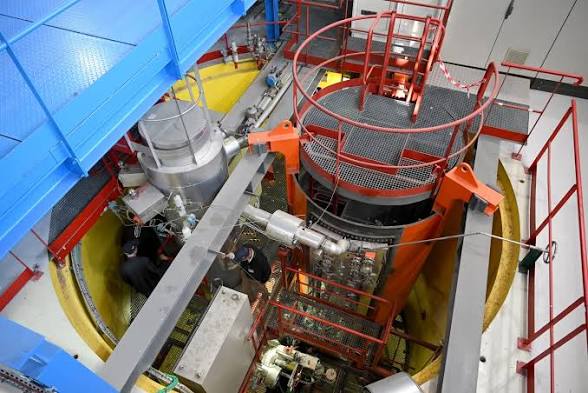
SMRs are promoted as potentially more flexible and scalable than traditional large reactors, although commercial deployment remains limited and many projects are still at early stages.
For Ghana, the technology may eventually offer a pathway that reduces some financing and grid-integration challenges, but it does not eliminate the need for strong regulation and institutional capacity.
Safety, waste and public trust
No nuclear programme can succeed without public confidence.
That requires robust independent regulation, emergency preparedness, transparent safety oversight and credible long-term arrangements for radioactive waste management.
The experience of other countries shows that public trust is often as important as engineering capability.
A successful programme therefore depends on the clear separation of political decision-making from technical and safety oversight.
The strategic judgment
The strongest argument for nuclear is that Ghana’s future electricity demand is unlikely to be met sustainably through a single energy source.
The strongest argument for caution is that a poorly financed or weakly governed nuclear programme could create long-term economic and institutional risks.
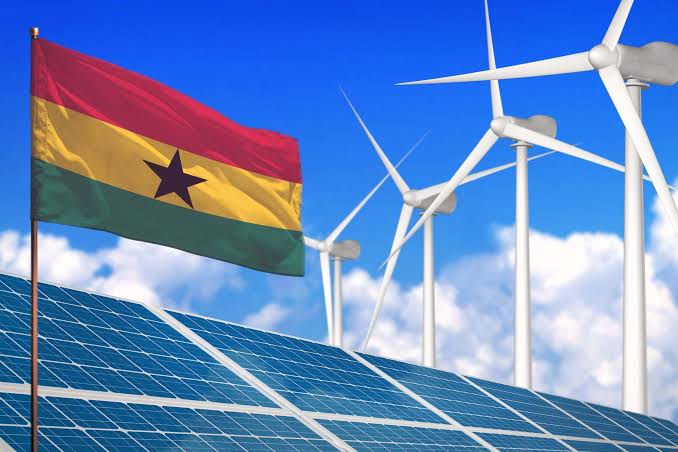
What is increasingly clear is that nuclear energy is no longer being treated as a symbolic aspiration. It is becoming part of the country’s strategic conversation about industrial competitiveness, energy security and long-term economic resilience.
The more interesting policy question is not whether Ghana should choose nuclear instead of renewables, but whether it can build the institutions, financing structures and technical capacity required to make nuclear one credible component of a diversified future energy system.
If those conditions can be met, nuclear power could eventually provide Ghana with an additional source of firm baseload electricity while strengthening the country’s ability to support industrial growth, integrate more renewable energy and reduce exposure to future fuel-price volatility.
READ ALSO: Netanyahu’s ICC Case Tests Future Of Global Justice