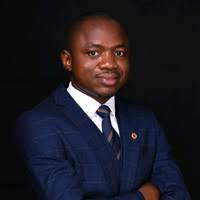
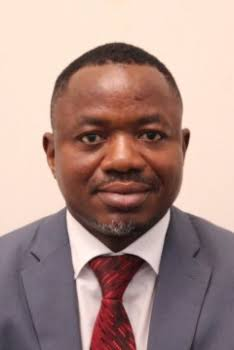
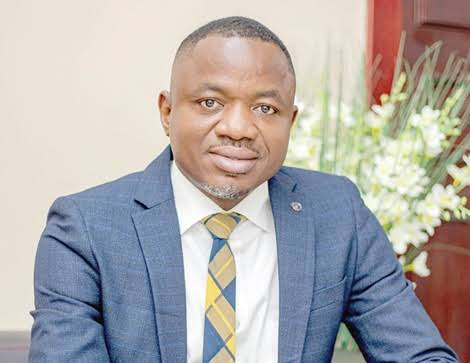
The Member of Parliament for Lambussie and Board Chairman of the Korle Bu Teaching Hospital (KBTH), Prof. Titus Beyuo, has attributed increased National Health Insurance Scheme (NHIS) enrolment to restored funding, telling Parliament that coverage has risen from 56.3 per cent to 70 per cent.
Speaking during debate on the 2027 Budget Statement and Economic Policy, he linked the increase to the government’s repeal of the Earmarked Funds Capping and Realignment Act, which he argued had allowed portions of NHIS allocations to be redirected.
“The effect of this is that confidence in the NHIS has been restored. As a result, enrolment has increased from 56.3 per cent to 70 per cent. Nearly seven out of 10 Ghanaians now eligible to be on the NHIS are on it,”
Member of Parliament for Lambussie and Board Chairman of the Korle Bu Teaching Hospital (KBTH), Prof. Titus Beyuo
Prof. Beyuo told the House that the scheme had experienced funding constraints under the previous administration, with portions of its allocations redirected through the capping and realignment arrangements.
He cited figures from 2017 to 2023 to illustrate the scale of the reallocations. According to him, the NHIS received its full allocation in 2017. However, 19 per cent of its funds were reallocated in 2018, while the proportion reached 53 per cent in 2023.
He maintained that the current administration had reversed the situation by scrapping the legislation, allowing the scheme to access its full allocation. He attributed the payment of GH¢2.1 billion in claims during the period under review to the improved funding position.
Claims payments and NHIS tariff adjustments
Beyond enrolment, Prof. Beyuo highlighted changes in claims processing and payment, indicating that providers now receive payments monthly. He explained that the regular payment cycle gives healthcare facilities greater certainty when planning their operations.
He also disclosed that the average time taken to process claims had fallen to 25 days. NHIS tariffs had also increased by 50 per cent, a change he presented as part of efforts to improve the scheme’s financing and support service delivery.
“In 2017, NHIS got all of the money that was allocated to it. In 2018, 19 per cent of NHIS money was reallocated. In 2023, as much as 53 per cent of money meant for NHIS was reallocated. We came and ensured that NHIS got its full funds by scrapping this Capping and Realignment Act. In the year under review, Mr Speaker, GHC2.1 billion was used to pay claims.”
Member of Parliament for Lambussie and Board Chairman of the Korle Bu Teaching Hospital (KBTH), Prof. Titus Beyuo
The MP also welcomed the GH¢10.2 billion allocation to the NHIS in the 2027 Budget, describing it as an important commitment to healthcare financing. He argued that the provision would support the scheme’s ability to meet its obligations to healthcare providers.
Health worker recruitment and financial clearance
Prof. Beyuo also defended the government’s health sector recruitment record, rejecting suggestions that the absence of an explicit reference to financial clearance for the next exercise in the 2027 Budget indicated a lack of commitment to employing additional personnel.
He argued that previous recruitment exercises had proceeded without specific references to financial clearance in budget statements. He pointed to the recruitment of 8,000 health workers earlier this year, which he stated had been undertaken with financial clearance.
The MP disclosed that preparations were underway for another recruitment exercise involving 8,000 personnel, presenting the planned intake as evidence of the government’s intention to expand the health workforce.
He contrasted this with the recruitment of 13,500 nurses under the previous government, arguing that no financial provision had been made for their employment. According to him, the current administration subsequently placed those nurses on the government payroll and paid them.
Other health professional’s recruitments
Prof. Beyuo further highlighted the employment of health professionals beyond nurses and doctors, noting that pharmacists, nutritionists and dietitians had also been recruited during the year.
“For the first time in almost five years, other cadres of healthcare workers, like pharmacists, like nutritionists, like dietitians, were all employed this year as part of the first 8,000,”
Member of Parliament for Lambussie and Board Chairman of the Korle Bu Teaching Hospital (KBTH), Prof. Titus Beyuo
He maintained that these professional groups had not been included in recruitment for nearly five years, making their employment part of a broader expansion of the health workforce.
His remarks placed NHIS financing and health worker recruitment at the centre of his defence of the 2027 Budget’s health sector provisions. He linked increased enrolment to restored funding and improved claims administration, while citing recruitment figures to argue that the government was addressing staffing needs across professional groups.
The figures and claims formed part of his contribution to Parliament’s consideration of the government’s proposed spending and policy priorities for 2027.
READ MORE: Dr. Nawaane Rejects Claims of Doctor Unemployment in Ghana