
Banking consultant Dr Richmond Atuahene has disclosed that Ghanaians will have to wait for the central bank’s 2026 financial report to discover how much was spent on the currency upgrade.
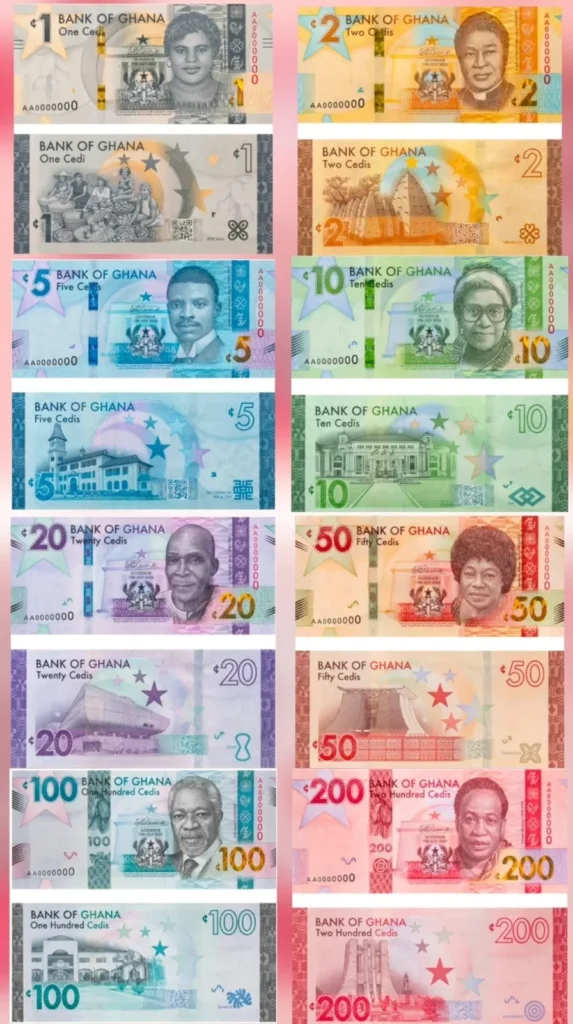
His comments have added another dimension to the growing public debate over the Heritage Series, which has attracted criticism over reported errors on some banknotes, the cost of production, stakeholder consultation and whether Parliament should have approved the exercise.
While questions continue to mount over the central bank’s decision to introduce the new currency series, Dr Atuahene insists that the expenditure should eventually become visible through the bank’s audited financial statements.
He argues that the public should assess the exercise within the appropriate financial reporting framework rather than confuse a currency upgrade with a redenomination.
2026 Financial Report Holds the Spending Details
According to Dr Atuahene, the cost of printing the Heritage Series should be reflected in the Bank of Ghana’s 2026 financial report, allowing the public to examine the expenditure after the accounts have been published and audited.
He maintains that the central bank must account for the money spent on the exercise in accordance with established financial reporting practices.
“There is one thing we should make clear: redenomination is a different thing from a currency upgrade.
“That is why I’m saying that if you get to the 2026 financial report, you will see the cost in it, and that has been in the practice.”
Dr Richmond Atuahene
The anticipated disclosure comes at a time when public attention has increasingly shifted from the appearance and design of the new banknotes to the financial implications of introducing them.
Although the exact expenditure has not been provided in the information surrounding the controversy, the publication of the audited accounts is expected to offer an opportunity to scrutinise the cost.
The issue is particularly important because currency production involves public financial resources, making transparency over expenditure essential to maintaining confidence in the central bank.
Why Parliament May Not Have Approved the Exercise
Beyond the financial questions, Dr Atuahene has challenged arguments suggesting that the Heritage Series required the same parliamentary approval process as Ghana’s 2007 currency redenomination.
Drawing on his experience as a member of the team that prepared for the 2007 exercise, he explained that redenomination involves a fundamentally different process from upgrading existing currency.
He recalled that the previous exercise required parliamentary approval because of the significant changes involved in the country’s monetary system.
“I was part of the team, so I knew the process through which those systems went. Everything had to go to parliament and it had to be approved.”
Dr Richmond Atuahene
His explanation suggests that the central bank’s authority to upgrade currency should not automatically be subjected to the same approval requirements governing redenomination.
Dr Atuahene further argued that currency upgrades should ordinarily be anticipated within the central bank’s operational budget, with the proposed expenditure submitted to its board for consideration.
Under this arrangement, the financial provision and subsequent reporting of the expenditure become important mechanisms for accountability.
Audited Accounts Become the Accountability Test
Dr Atuahene believes the public will have an opportunity to track the Heritage Series expenditure once the Bank of Ghana publishes its financial statements.
He explained that the process involves budgetary provision, publication and auditing, which should provide the basis for examining how much was spent.
“It is when the thing has been published, and the accounts are audited, and the budget has made provision for it, so you can track it there. And that is why they come to Parliament to tell you what they did that year.”
Dr Richmond Atuahene
This places considerable attention on the central bank’s forthcoming financial disclosures, particularly as public interest in the Heritage Series continues to grow.
The 2026 report could therefore become an important reference point for assessing the financial implications of the currency upgrade and determining whether the expenditure was properly captured in the institution’s accounts.
However, the publication of the expenditure alone may not end the debate. Questions about value for money, procurement processes and the justification for the upgrade could remain relevant even after the figures become available.
Banknote Errors Add to the Growing Controversy
Despite defending the distinction between redenomination and currency upgrades, Dr Atuahene has expressed serious concern about the controversy surrounding the Heritage Series.
His concerns centre particularly on reported errors involving personalities featured on the new banknotes, an issue that has attracted public criticism and intensified scrutiny of the currency’s production process.
He described the developments as worrying, suggesting that the controversy surrounding the presentation of personalities on the notes should not be dismissed. “But on the misplacement of people and all these things, hulubaloo surrounding it, it is quite worrying, very worrying,” he said.
READ ALSO: GSE Rebounds as Trading Turnover Rockets 839% in Midweek Session