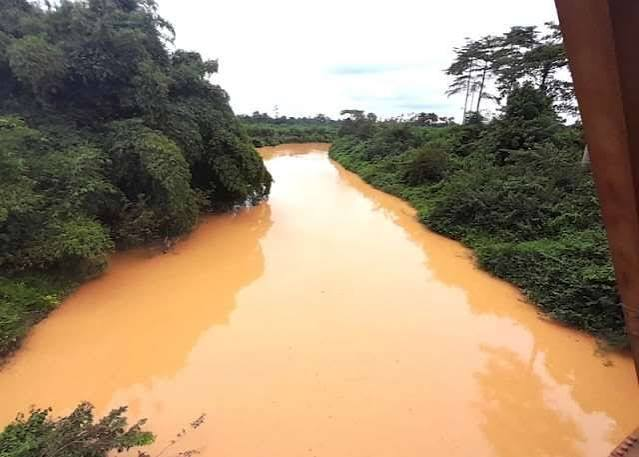
The Environmental Protection Authority (EPA) has unveiled a Water Restoration Management Framework to guide the dredging, rehabilitation and restoration of degraded water bodies, with implementation expected to begin in January 2027.
The Director of Strategy and Risk Management at the EPA, Sydney Kwaku Danso, disclosed this during a two-day stakeholder engagement in Ho starting today Thursday 26 Nov 2026, explaining that the framework will establish a coordinated process for restoring polluted rivers, rehabilitating damaged riverbanks, protecting dependent communities and preventing restoration activities from creating further environmental harm.
“The priorities are to save the water bodies, restore the land and ecosystems, protect the communities that depend heavily on the rivers and other water bodies, and reinstate our regulatory integrity.”
Director of Strategy and Risk Management at the EPA, Sydney Kwaku Danso
Mr Danso explained that the Authority developed the framework in response to growing proposals from private individuals and organisations seeking to dredge or restore polluted water bodies.
EPA Framework Seeks Coordinated Water Restoration
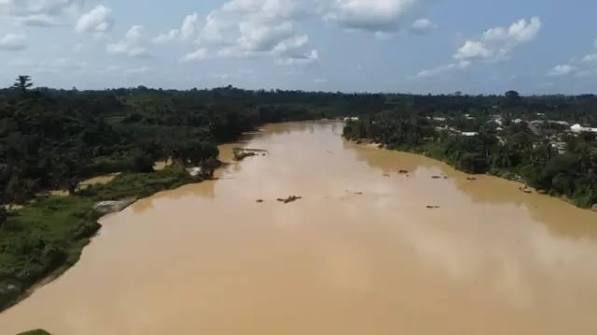
He warned that without a common regulatory guide, well-intentioned interventions could create further disorder and expose protected areas to renewed exploitation, particularly where land and river ecosystems had already suffered extensive damage from unregulated mining.
He said the framework was necessary because several parties had expressed interest in undertaking restoration works, making it important for the EPA to establish standards before activities began.
The Authority is concerned that poorly coordinated dredging or rehabilitation could compound existing damage instead of resolving it. The guide is expected to keep interventions within a common process and protect sensitive areas from being misused.
Mr Danso disclosed that the EPA would work with the Minerals Commission, Water Resources Commission, Council for Scientific and Industrial Research and Ghana Standards Authority to develop and implement the approach.
River Restoration Requires Rehabilitation Before Treatment
Addressing concerns about whether heavily polluted rivers could regain their natural appearance, Mr Danso maintained that the discoloured and turbid water could be corrected but cautioned that chemical treatment alone would not resolve the damage.
He recalled that the EPA had undertaken a proof of concept for the chemicalisation process following assurances by Honourable Jean Mensa in 2025 that efforts would be made to make Ghana’s water bodies clean and safe. The exercise had been completed, while other institutions had also been encouraged to develop alternative methods.

However, findings from the pilot revealed that several riverbanks and water pathways had been altered or displaced. Many rivers had also become heavily silted, with sediment accumulation affecting their condition and flow.
He explained that restoring the river channels and their surrounding ecosystems must precede chemical interventions, since damaged banks and disrupted pathways could undermine treatment efforts. The pilot therefore provided evidence that restoration must address the physical condition of rivers as well as the pollutants found in them.
Mr Danso explained that the findings informed recommendations to reshape riverbanks, repair buffer zones and restore the natural direction of water flow before introducing chemical treatment.
“We have given ourselves a timeline to begin implementation in January.”
Director of Strategy and Risk Management at the EPA, Sydney Kwaku Danso
Ho engagement to shape restoration priorities
Mr Danso explained that the two-day engagement was designed to introduce the framework and secure stakeholder input on the technical and operational measures required to restore degraded water bodies.
Thursday’s programme was dedicated to unveiling the framework and presenting it to the public, while Friday’s session was scheduled as a working meeting to examine its thematic areas.
He outlined the framework as a continuous cycle involving risk screening, assessment of restoration technologies, supervision of works and monitoring.
EPA targets cleaner water and safer communities
The anticipated outcomes include improved water quality, reduced turbidity, restored riverbanks and the reclamation of degraded areas. The framework will also consider areas extending up to 100 metres on both sides of water bodies, where appropriate.
Mr Danso further identified improved reliability of water supply for treatment as an important objective, explaining that cleaner source water could reduce the burden on treatment facilities.
He referenced support of GH¢8.4 billion from the Gold Board to the Ghana Water Company this year for the rehabilitation of some treatment plants, describing improved raw water quality as a potential way to lower treatment costs.
Beyond infrastructure and environmental recovery, he emphasised the public health implications of restoring polluted rivers. The EPA wants to ensure that water is safe for consumption, protect communities that rely on these resources and create conditions for aquatic life to return.
The Authority’s planned January implementation will therefore mark the next stage of efforts to carefully translate the framework’s priorities into practical work on degraded water bodies nationwide.
READ MORE: Prof. Adarkwa Calls for Moral Discipline in University Education