Kuwait has blamed Iran for a drone attack that killed two Italian nationals and injured two others at a vital site, triggering international condemnation and renewed concerns over security in the Gulf region.
Kuwait’s Defence Ministry said that its armed forces had responded to several hostile drones launched by Iran, adding that the incident resulted in the deaths of the two Italian nationals and injuries to a Kuwaiti and a Pakistani national.
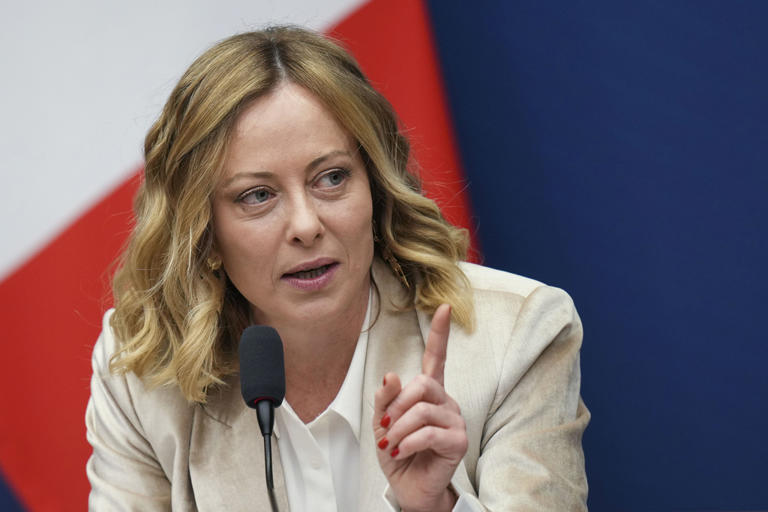
Italy’s Foreign Ministry later confirmed that the two people killed were employees of German defence group Rheinmetall. Italian Prime Minister Giorgia Meloni expressed sorrow over what she described as their “tragic deaths.”
Kuwait’s Ministry of Foreign Affairs strongly condemned what it called “heinous Iranian aggression against the country”, describing the attack as a violation of its sovereignty and international law.
In a statement, the ministry said that the incident constituted a “flagrant violation” of Kuwait’s sovereignty and represented a serious threat to regional stability.
It warned that continued attacks could undermine diplomatic efforts to reduce tensions and prevent further escalation in the region.
The ministry also reaffirmed Kuwait’s right to take necessary measures to protect its sovereignty, security, territory and vital facilities, citing its inherent right to self-defence under international law.
Kuwait expressed condolences to the Italian government and people following the deaths of the two nationals.
Kuwait’s Foreign Minister, Sheikh Jarrah Jaber Al-Ahmad Al-Sabah, also conveyed the country’s condolences to Italian Foreign Minister Antonio Tajani during a telephone conversation following the incident.
During the call, the Kuwaiti Minister expressed “sincere condolences and heartfelt sympathy to the friendly Republic of Italy” and condemned what he described as the “heinous Iranian aggression.”
Meloni expressed sorrow over the deaths, adding to the diplomatic response from Rome following the incident.
The deaths have also brought the security implications of the escalating regional tensions into focus, particularly for foreign nationals and personnel working at strategic facilities across the Gulf.
Iran Denies Involvement
Iran’s armed forces strongly denied responsibility for the drone attack, according to the state-run IRNA news agency.
Chief Spokesman Sardar Shekarchi said that Iranian forces had not conducted any military or offensive operations in the region.
He also suggested that the accusations could be intended to conceal activities by Israel and the United States, referring to what he described as their history of false-flag operations and regional adventurism.
“Given the history of hostile actions and the role of the Zionist regime [Israel] and American forces in using false flags and regional adventurism, these accusations are seen as a cover for continuing malicious activities and an attempt to increase insecurity in the region.”
Sardar Shekarchi
Tehran’s denial contrasts with Kuwait’s attribution of the attack to Iran, leaving the two governments with opposing accounts of responsibility.
International Condemnation Mounts
The attack prompted strong reactions from European and regional governments, with several warning that further escalation could threaten security and undermine diplomatic efforts.
European Commission President Ursula von der Leyen described the incident as another indication of the importance of Gulf security to Europe.
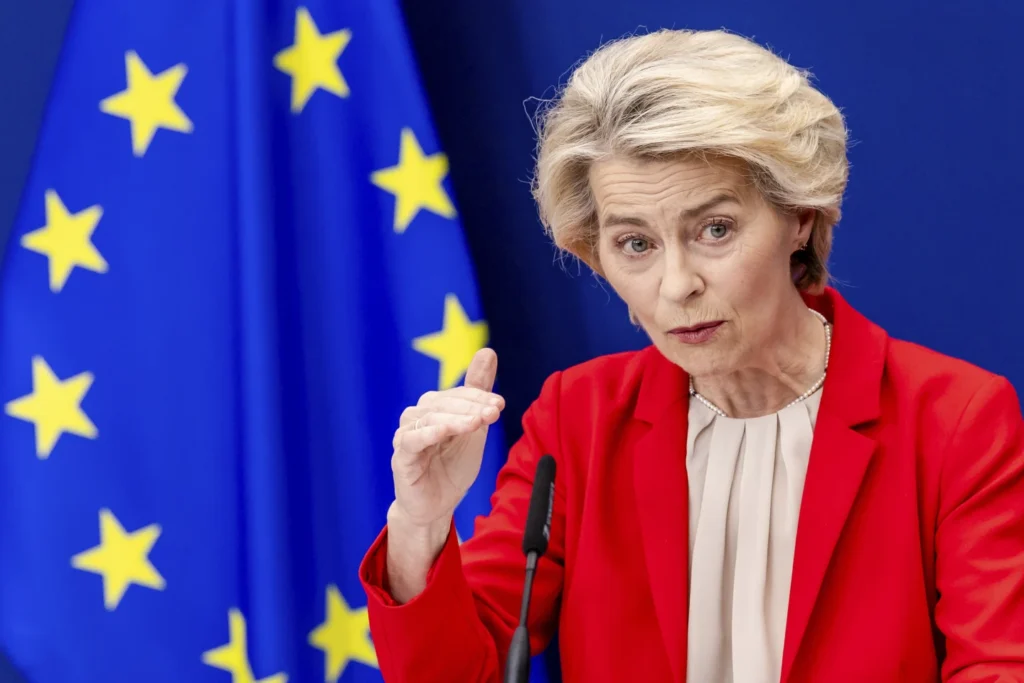
“This is yet another reminder that security in the Gulf is a matter of security for us all. We must step up pressure on Iran to put an end to these unacceptable attacks against its neighbours and our partners in the Gulf.”
Ursula von der Leyen
Qatar’s Foreign Ministry also condemned the attack, describing it as a “blatant breach of international law.”
It warned that the incident represented a dangerous escalation that could complicate efforts to contain regional tensions and undermine political and diplomatic initiatives.
The United Arab Emirates similarly described the attack as a “flagrant violation of the sovereignty of the State of Kuwait and a threat to its security and stability.”
Saudi Arabia said that Iran’s continued attacks were contributing to greater tension and instability, undermining diplomatic efforts across the region.
Israeli Foreign Minister, Gideon Saar also condemned what he described as Iranian aggression, warning of its wider implications for regional and international security. “Iran’s unchecked aggression threatens stability and security in the Middle East and beyond … It must end,” Saar said.
The reactions show growing concern among regional governments and international partners over the potential consequences of further attacks.
For Kuwait, the incident has raised immediate questions about protecting vital infrastructure and ensuring the safety of foreign personnel. While Iran has denied involvement, the attack has intensified diplomatic pressure and added to concerns about the possibility of a wider regional confrontation.
READ ALSO: CDD-Ghana: Corruption Steals Classrooms, Jobs and Opportunities From Ghanaian Youth