
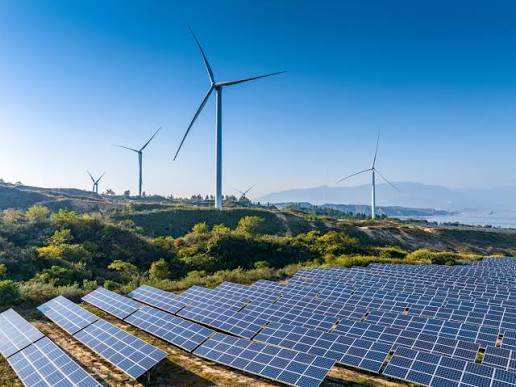
Government’s plan to remove import duties and import Value Added Tax (VAT) on solar panels and batteries could lower the cost of adopting renewable energy in Ghana, but the policy’s impact will depend on how quickly the exemptions are implemented and whether the savings reach households and businesses.
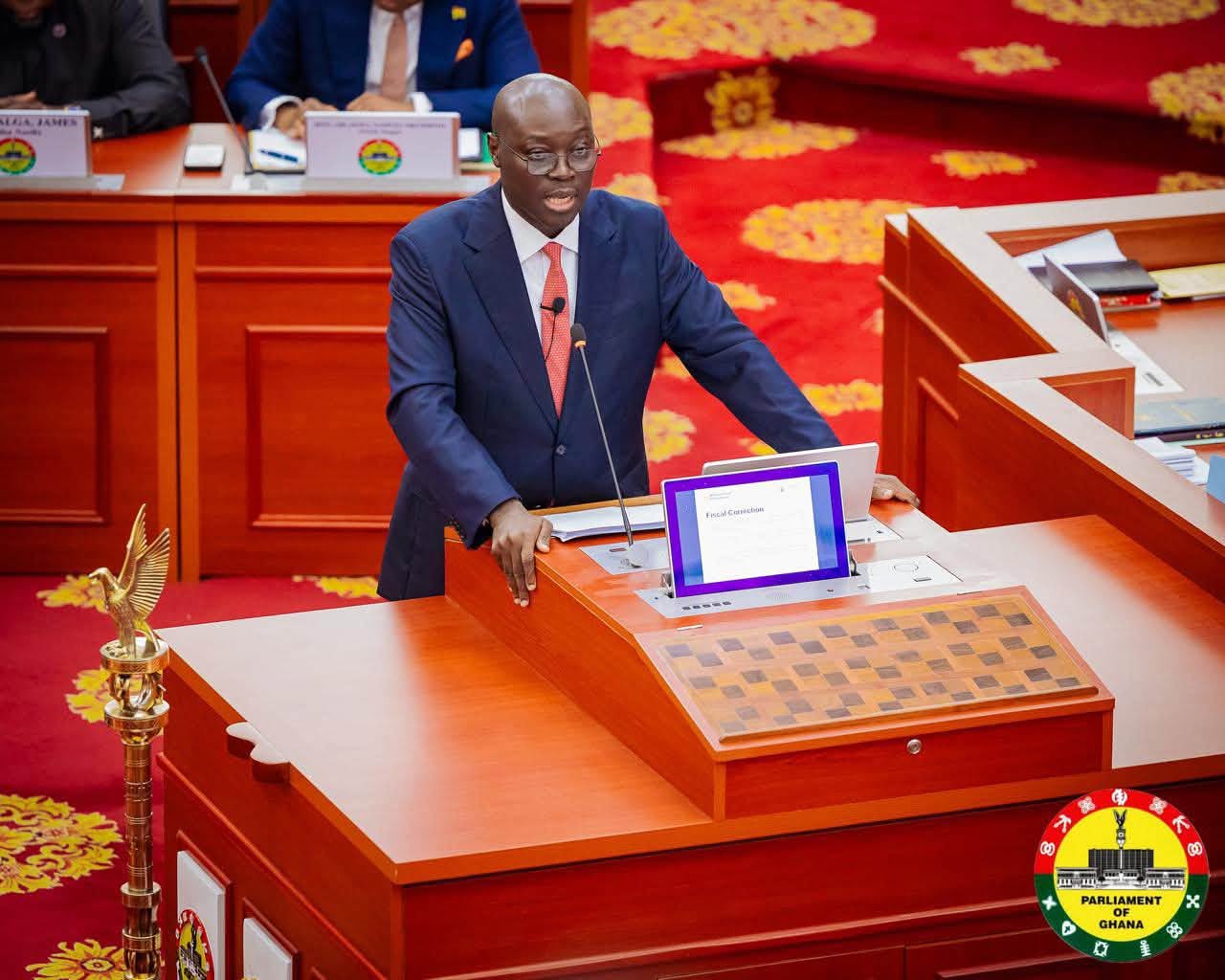
Finance Minister Dr Cassiel Ato Forson announced the measure on Thursday, November 26, describing it as part of Government’s efforts to make solar energy more affordable for households, farmers and businesses.
The announcement gives further attention to a policy already outlined in the 2027 Budget, which provides for exemptions on solar panels and batteries as an incentive for wider adoption of solar power.
The measure is intended to reduce the upfront cost of solar installations at a time when households and businesses are increasingly concerned about electricity expenditure and supply reliability.
In explaining the policy, the Finance Minister stated:
“The government of President Mahama will remove import duties and import VAT on solar panels and batteries. In simple words, going solar will cost you less.”
The announcement is potentially significant for Ghana’s renewable energy market. However, the effectiveness of the policy will depend on more than the removal of two categories of import taxes.
The cost of equipment, access to financing, installation quality, maintenance and the availability of reliable battery systems will all influence whether more consumers can make the transition.
Lower Upfront Costs Could Expand Solar Adoption
One of the biggest barriers to household solar adoption is the initial investment required to purchase panels, inverters, batteries and installation equipment.
Although solar systems can reduce electricity expenditure over time, the upfront cost can be prohibitive for households and small businesses operating with limited capital.
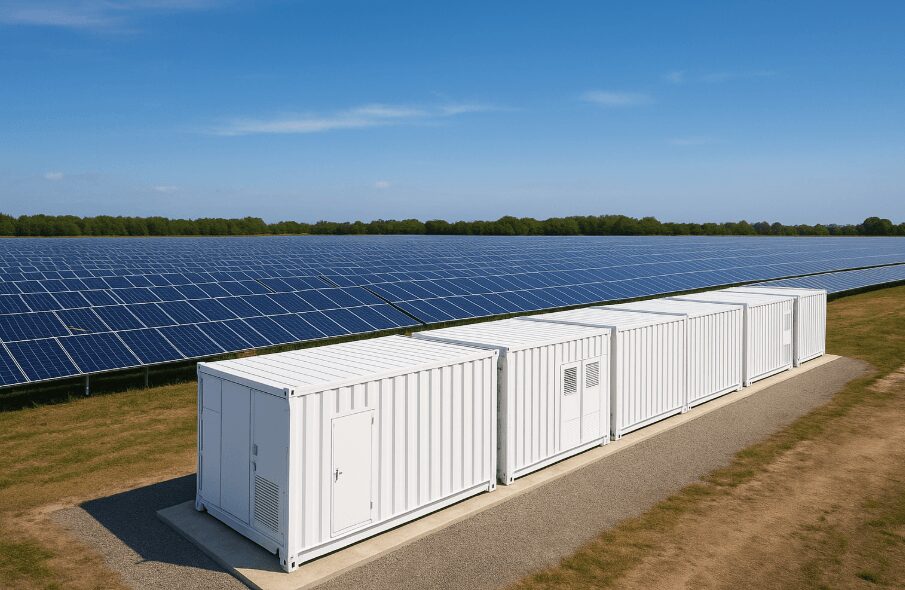
Removing import duties and import VAT could reduce the landed cost of eligible equipment, creating room for lower retail prices.
For small businesses, the potential benefits extend beyond lower electricity bills.
Shops that rely on refrigeration, lighting and electronic equipment could use solar systems to support daily operations.
Farmers could deploy solar-powered irrigation, while schools and healthcare facilities could use solar and battery storage to improve the reliability of essential services.
The Finance Minister highlighted these applications in his announcement, arguing that solar power could support productive activity across different sectors.
“That means less money spent on power, more money in your pocket, and power when you need it.”
The policy also has implications for the electric vehicle market, where solar generation could potentially support charging infrastructure and reduce dependence on electricity drawn entirely from the national grid.
However, the extent of the cost reduction will depend on the precise scope of the exemptions and how importers, distributors and retailers respond.
Tax Exemptions Alone Will Not Make Solar Affordable
The removal of import duties and VAT addresses one part of the cost structure, but it does not resolve every barrier to solar adoption.
Solar systems require several components, and the exemptions announced by Government specifically identify panels and batteries.
The treatment of inverters, charge controllers, mounting equipment, installation services and other accessories will need clarification.
If some essential components remain subject to significant import charges, the overall reduction in installation costs could be smaller than consumers expect.
The quality of imported equipment is another important consideration.
Lower prices should not encourage the entry of substandard panels and batteries that fail prematurely or perform below their advertised capacity.
The Energy Commission and other relevant institutions will therefore have a role in ensuring that increased demand is matched by appropriate technical standards, certification and consumer protection.
Battery storage is particularly important because it allows households and businesses to use solar-generated electricity beyond daylight hours.
But batteries also add substantially to installation costs and require careful selection, installation and maintenance.
The policy will therefore need to support access to reliable equipment rather than simply increase the volume of cheaper imports.
The Grid and Utility Implications
Wider solar adoption could also influence how Ghana manages electricity demand.
Household and commercial solar systems can reduce the amount of electricity consumers draw from the national grid during periods of generation. When combined with battery storage, they may also provide backup during interruptions.
However, the impact on the national electricity system will depend on how installations are configured and integrated.
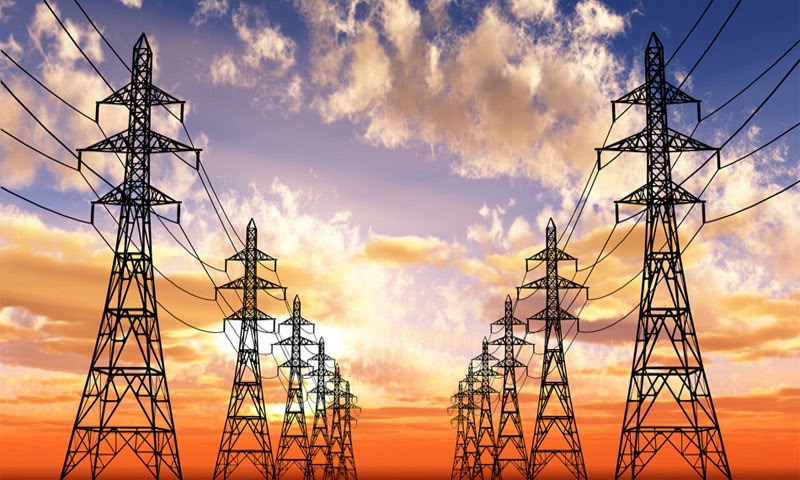
A growing number of distributed solar systems could change consumption patterns and reduce electricity sales for distribution utilities.
If utility revenues decline without corresponding improvements in efficiency and cost management, financial pressures could emerge.
This is particularly relevant in a power sector where financial sustainability remains a major policy concern.
Government must therefore ensure that solar expansion complements broader electricity-sector reforms rather than creating new financial and technical challenges.
The relationship between distributed generation, grid connection rules, metering and electricity tariffs will become increasingly important as more households and businesses invest in solar.
Implementation Will Determine the Policy’s Success
The announcement is an important signal of Government’s intention to make renewable energy more accessible.
But consumers will ultimately judge the policy by whether solar equipment becomes cheaper in the market, not simply by the announcement of tax exemptions.
The implementation framework should clarify when the exemptions take effect, which products qualify, how customs authorities will administer them and what safeguards will prevent the benefits from being absorbed through higher importer and retailer margins.
It should also establish how Government will monitor price reductions and ensure that eligible equipment reaches households, farmers and businesses.
Dr Forson urged Ghanaians to take advantage of the planned incentives, saying:
“We are making it easier to go solar. I urge every household, every farmer and every business: seize this opportunity.”
The challenge is to make that opportunity financially accessible to the people Government intends to reach.
For low-income households, even a reduced solar installation cost may remain beyond immediate reach without affordable financing, credit facilities or targeted support.
Farmers and small businesses may also require financing arrangements that allow them to repay the cost of equipment from the savings or additional income generated by solar-powered operations.
Ghana’s solar transition will therefore require a combination of tax relief, accessible financing, quality assurance and effective regulation.
The proposed exemptions could help remove an important cost barrier. But their real contribution will be measured by how many households and productive businesses can adopt reliable solar systems, how much electricity expenditure they save and whether the policy strengthens the wider electricity system.
Government has outlined the incentive. The next test is turning the tax announcement into measurable reductions in the cost of going solar.
READ ALSO: Ghana Shares Audit Reporting Practices With Gambian Delegation