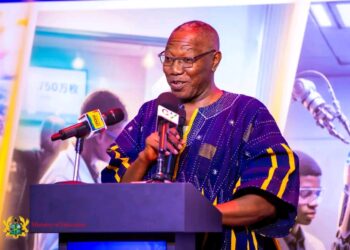
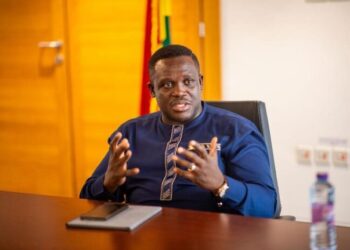
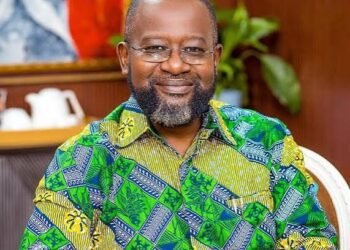
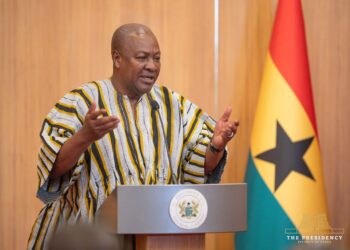
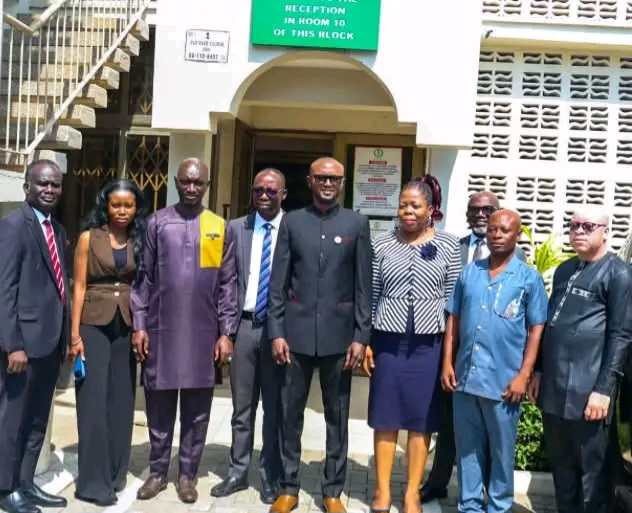
The Clerk of The Gambia’s National Assembly, Mr Kalipha M.M. Mbye, has visited the Ghana Audit Service to examine how the country’s Supreme Audit Institution prepares and submits audit reports to Parliament, as part of a broader study visit to Ghana’s legislature.
The engagement with the Auditor-General of Ghana, Dr Pamela Graham, focused on the constitutional mandate of the Audit Service, its institutional structure, the reports it produces and the procedures governing their presentation before Parliament.
The visit provided the Gambian delegation with an opportunity to understand how Ghana connects independent public-sector auditing with parliamentary oversight, particularly the processes through which audit findings are formally communicated to lawmakers for scrutiny and action.
Discussions also explored the legal framework underpinning the reporting process, offering insights into the relationship between the Auditor-General, the Audit Service and Parliament in promoting transparency and accountability in the management of public resources.
Ghana’s constitutional framework defines the Auditor-General’s responsibilities
The Auditor-General’s role in Ghana is established under Article 187 of the 1992 Constitution, which mandates the office to audit and report on the public accounts of the country and other public institutions.
These include the accounts of central and local government administrations, the courts, public universities, public corporations and other organisations established by an Act of Parliament.

Article 187(5) requires the Auditor-General to submit reports to Parliament within six months after the end of the financial year to which the accounts relate. The reports must draw attention to irregularities identified during audits and other matters considered important enough to be brought before lawmakers.
The constitutional provision further requires Parliament to debate the Auditor-General’s reports and, where necessary, appoint committees to examine matters arising from them. This establishes a formal link between independent auditing and legislative oversight.
Audit reports provide Parliament with evidence for scrutiny
The Ghana Audit Service operates as the public institution through which the Auditor-General performs the constitutional mandate. Its responsibilities extend beyond examining financial statements to identifying irregularities, assessing the use of public resources and making recommendations to improve financial management.
Under the Audit Service Act, 2000 (Act 584), the Auditor-General is required to report on matters including unauthorised expenditure, unaccounted public funds, weaknesses in internal controls and the inefficient use of state resources.
The Act also provides for special audits and reviews where these are considered necessary in the public interest. Such reports are submitted to Parliament, while the Auditor-General is required to publish reports on public accounts after they have been presented for parliamentary consideration.
The reporting process therefore provides lawmakers with documented findings that can support investigations, recommendations and demands for corrective action.
Public Accounts Committee strengthens parliamentary accountability
A key part of Ghana’s audit accountability framework is the Public Accounts Committee (PAC) of Parliament, which examines reports submitted by the Auditor-General and questions public officials on financial irregularities and weaknesses identified in their institutions.
The committee’s work helps translate audit findings into parliamentary scrutiny by providing a platform for officials to explain how public funds were managed and what measures are being taken to address identified problems.
The Public Financial Management Act, 2016 (Act 921), also reinforces the importance of implementing audit recommendations. It requires principal spending officers to submit annual reports on the status of recommendations made by the Auditor-General and Parliament.
These provisions highlight that the effectiveness of public auditing depends not only on identifying financial irregularities but also on ensuring that institutions respond to findings and implement corrective measures.
Gambian delegation compares institutional practices and procedures
The discussions concluded with an open exchange during which the Gambian officials compared Ghana’s arrangements with existing practices in their own parliamentary system.
The Gambia also operates a Supreme Audit Institution through its National Audit Office, established under the country’s 1997 Constitution and granted autonomous status under the National Audit Office Act, 2015. Its mandate includes auditing and reporting on the use of public resources by government institutions and other public bodies.
The Auditor-General’s reports are submitted to the National Assembly for consideration, providing a constitutional basis for legislative oversight of public expenditure.
The exchange between the two institutions offered an opportunity to examine similarities and differences in their approaches to audit reporting, parliamentary scrutiny and public financial accountability.
By studying Ghana’s procedures, the Gambian delegation could identify institutional practices and lessons relevant to its own parliamentary oversight responsibilities. The engagement also underscored the value of cooperation among African legislatures and audit institutions in strengthening public-sector governance.
Ultimately, the effectiveness of an audit system rests on the quality of its findings, the independence of the auditing institution and the willingness of public authorities to act on recommendations. The visit placed these interconnected responsibilities at the centre of the exchange between the two countries.
READ ALSO: New Aircraft to End Constraints Posed by Aging Fleet – President Mahama