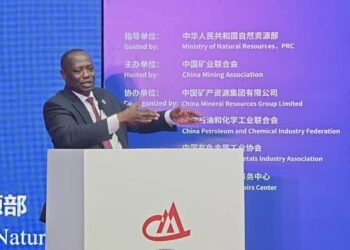
President John Dramani Mahama has reconstituted the Governing Board of the Ghana National Petroleum Corporation (GNPC), reassigned its Chief Executive Officer, Kwame Ntow Amoah, and appointed a new acting head, initiating another leadership transition at an institution central to Ghana’s upstream petroleum ambitions.
The changes, announced on Thursday, November 26, see Solomon Quaynor appointed Chairman of the GNPC Governing Board, while Mr Amoah has been reassigned to the Ministry of Energy and Green Transition as a Technical Advisor for the remainder of his contract.
Hamis Ussif, the corporation’s Deputy Chief Executive Officer responsible for Finance, Commercial and Administration, has been appointed Acting Chief Executive Officer pending the selection of a substantive head.
The reconstitution also brings five other members onto the board: Hajia Zuwera Mohammed Ibrahimah, Mawutor Agbavitor, Amina Adam, Andani Yakubu Abdulai, popularly known as Yoo-Naa, and Kwame Jantuah.
The changes are significant because GNPC is not simply another state-owned institution. It is Ghana’s national oil company, with responsibilities connected to petroleum exploration, commercial participation in upstream projects, resource development and the country’s long-term petroleum interests.
The immediate challenge for the new leadership will be to ensure that the transition does not interrupt the corporation’s strategic and operational responsibilities.
A Leadership Transition at a Critical Time
Ghana’s upstream petroleum industry is confronting a difficult period.
Oil production has faced sustained pressure from field decline, while Government and industry participants are working to attract investment, develop new wells and improve the performance of existing producing assets.
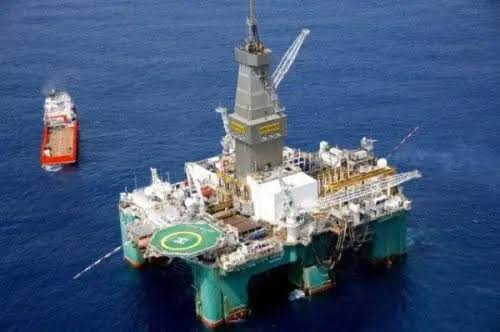
The Jubilee, TEN and Sankofa fields remain central to the country’s petroleum outlook, making GNPC’s role in negotiations, investment participation and resource development particularly important.
The corporation also has to balance its commercial responsibilities with the broader national interest in maximising petroleum revenues and securing long-term value from Ghana’s hydrocarbon resources.
Leadership changes at such an institution therefore carry implications beyond administrative appointments.
The new board will be expected to provide strategic direction, exercise oversight and ensure that management decisions support the corporation’s mandate.
The Presidency confirmed the transition in its announcement:
“The Minister of Energy and Green Transition has been directed to liaise with the newly constituted GNPC Board to facilitate an orderly handover and continuity of the Corporation’s operations.”
The reference to continuity is particularly important. An orderly handover must ensure that ongoing negotiations, project decisions, financial commitments and institutional programmes are not disrupted by changes in executive leadership.
The Acting CEO’s Immediate Responsibility
Mr Ussif’s appointment places him in charge of the corporation while a substantive Chief Executive Officer is awaited.
His previous responsibility for Finance, Commercial and Administration gives him familiarity with the institution’s internal financial and administrative operations.
However, the acting position also carries a wider strategic responsibility.
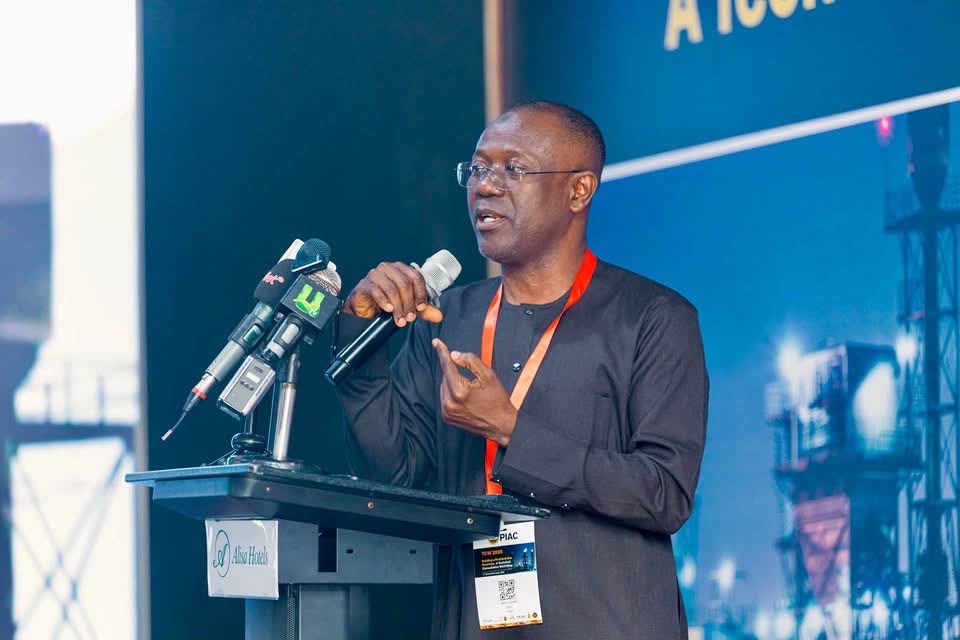
GNPC must continue to manage its commercial interests in petroleum projects while responding to the challenges affecting Ghana’s production outlook.
This includes the need to strengthen investment planning, improve project execution and ensure that the corporation’s participation in upstream developments delivers measurable value.
The board will also have to assess how the national oil company can support efforts to reverse production decline without exposing the state to poorly structured financial commitments.
Ghana’s petroleum sector requires investment in exploration, appraisal, development and production infrastructure.
These activities involve substantial capital and long timelines, making institutional stability and predictable decision-making essential.
The leadership transition must therefore be accompanied by clarity about strategic priorities and the performance expectations against which the new management will be assessed.
Governance Must Translate Into Commercial Performance
The reconstitution of the board also raises a broader question about the relationship between corporate governance and Ghana’s petroleum ambitions.
A board’s effectiveness cannot be measured simply by the appointment of its members. It must be assessed through the quality of oversight, the strength of management accountability and the commercial outcomes achieved by the institution.
For GNPC, this includes its ability to protect the state’s interests in petroleum agreements, evaluate investment opportunities and ensure that projects deliver value to the country.

It also requires stronger transparency around financial exposure, project performance and the corporation’s contribution to national production objectives.
Ghana’s oil production challenges have made these issues more pressing. A national oil company operating in a mature petroleum environment must be able to identify opportunities for additional production while preparing for the longer-term transition in global energy markets.
The new board will therefore need to demonstrate how its oversight will support both immediate production recovery and the sustainable management of petroleum resources.
The Presidency’s announcement thanked Mr Amoah for his service and contributions to GNPC and Ghana’s petroleum sector.
It did not provide a detailed explanation for the reassignment, and the leadership change should not be interpreted as evidence of misconduct or institutional failure.
What the New Board Must Deliver
The transition provides an opportunity to clarify GNPC’s priorities at a time when Ghana is seeking to strengthen its upstream investment outlook.
Among the questions requiring attention are how the corporation intends to support new exploration, the financial implications of its existing project commitments, and the measures it will pursue to improve production from existing fields.
The board will also have to ensure that the corporation’s commercial decisions remain consistent with national petroleum policy and the country’s long-term resource interests.
The Ministry of Energy and Green Transition will play an important role in facilitating the handover, but the corporation’s management must retain the operational capacity needed to execute its mandate.
For Ghana, the significance of the latest changes will ultimately be measured not by the announcement of new appointments but by what the reconstituted leadership achieves.
The country’s upstream sector needs a national oil company capable of supporting investment, strengthening commercial discipline and protecting public value from petroleum resources.
The new board and acting management have inherited that responsibility. Their first test will be ensuring continuity. Their larger challenge will be demonstrating that governance changes can translate into stronger institutional and commercial performance.
READ ALSO: Prudential Bank Challenges Ghanaian SMEs to Conquer China’s Lucrative Market