The Ghana Gold Board (GoldBod) has framed its latest round of international investor engagements as a deliberate push to transform the country from a raw bullion exporter into a premier global destination for mineral processing and downstream capital.
Following high-level bilateral talks in Accra with a delegation of Indian business leaders, women entrepreneurs, and institutional financiers, the state regulator emphasized that foreign alliances are central to unlocking domestic industrial capacity, formalizing supply chains, and securing long-term economic returns from the nation’s extractive wealth.
“Through such partnerships, GoldBod seeks to position Ghana as a major destination for investment in the gold value chain while ensuring that the country’s mineral wealth generates greater economic opportunities, creates jobs and delivers tangible benefits to local communities.”
Ghana Gold Board (GoldBod)
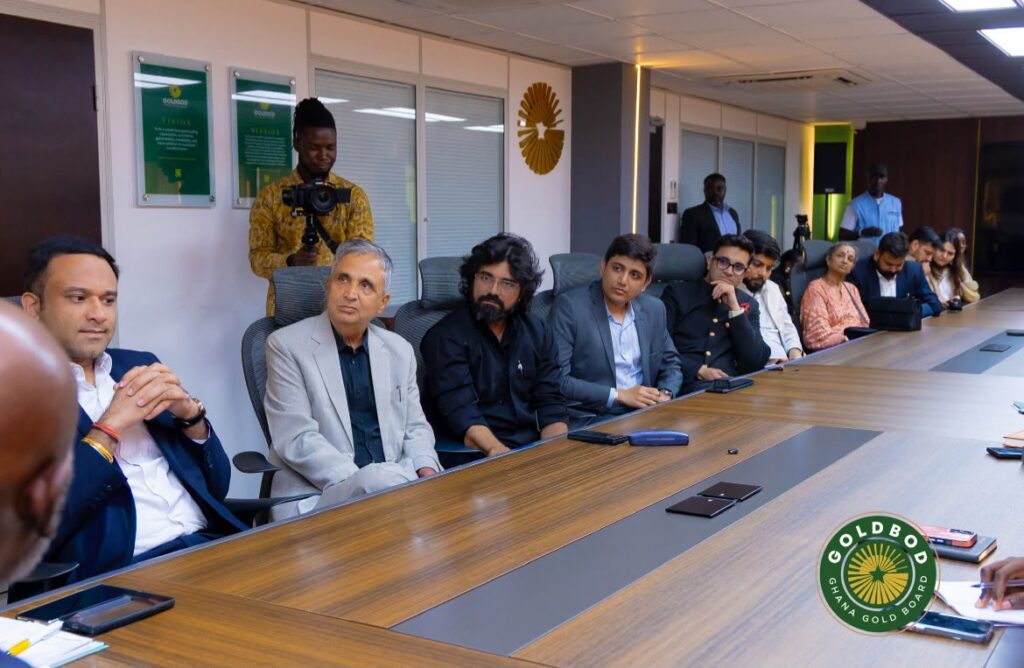
Led by the Minister for Investment and Tourism at the High Commission of the Republic of Ghana in India, Hon. Akwasi Gyan Tutu, the visiting Indian delegation convened with GoldBod officials to map out joint ventures across gold procurement, local jewellery fabrication, and responsible sourcing frameworks.
The diplomatic and commercial mission builds directly on recent bilateral outreach between Accra and New Delhi, aiming to channel India’s globally dominant jewellery manufacturing expertise and capital liquidity into Ghana’s upstream and midstream bullion ecosystem.
Closing the Value-Addition Deficit
For decades, Africa’s top gold producer has forfeited billions of dollars in downstream revenue by shipping unrefined doré bars abroad for assaying, refining, and industrial fabrication.
Bank of Ghana external-sector data shows that between January and October 2026 alone, gold generated US$20.92 billion accounting for nearly 69 percent of the country’s total US$30.42 billion in export receipts.
Despite these record inflows, the overwhelming majority of that output exits the ports in raw or semi-processed form, leaving domestic jewelers reliant on imported finished pieces while foreign refining hubs capture the highest margins.
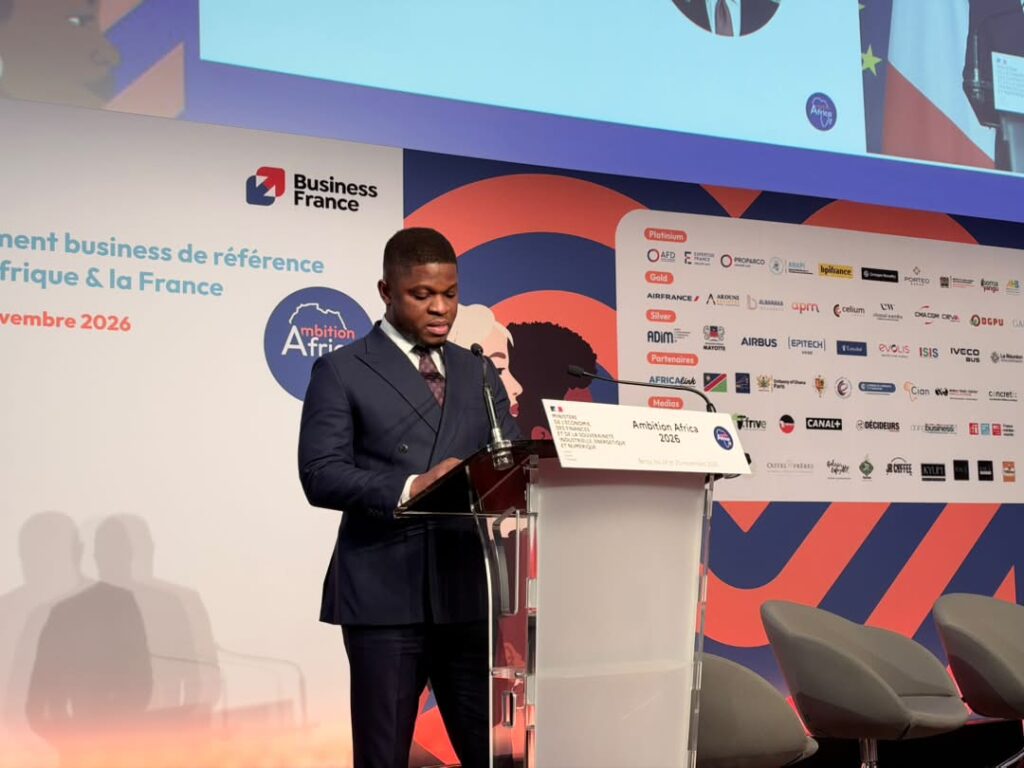
Since assuming sole statutory authority over the purchase, grading, assaying, and export of artisanal and small-scale mining (ASM) output, GoldBod has moved aggressively to plug revenue leakages, exporting 88 tonnes of small-scale gold valued at roughly US$12 billion in 2026.
Yet officials maintain that volume aggregation alone cannot insulate the cedi or sustain industrial employment.
“Ghana’s long-term ambition must go beyond the export of raw gold to building a stronger domestic gold industry anchored in refining, jewellery manufacturing, technology transfer and industrial development,” the Board stressed during the session, signaling that future licensing and off-take arrangements will increasingly favor partners willing to co-invest in local fabrication plants.
Digital Traceability and Responsible Sourcing
A cornerstone of the Accra deliberations centered on the rollout of a blockchain-powered gold traceability infrastructure scheduled for launch in the first quarter of 2027.
Global bullion markets, particularly major refining centers in India, Switzerland, and the United Arab Emirates, have tightened due diligence mandates to screen out conflict minerals and gold tainted by illegal mining, known locally as galamsey.
Without verifiable provenance data, Ghanaian small-scale gold risks facing steep price discounts or outright exclusion from tier-one international supply chains.
Under the proposed architecture, every gram of gold aggregated by licensed buyers will be digitally logged from pithead to export terminal, creating an immutable ledger covering origin, assay purity, tax compliance, and environmental clearance.

Board executives noted that the platform is designed to “strengthen transparency and accountability in Ghana’s gold supply chain by improving the tracking of gold from its source through the various stages of trading and export.”
By integrating Indian technical expertise into this compliance ecosystem, GoldBod aims to give international off-takers auditable assurance that Ghanaian bullion meets stringent environmental, social, and governance (ESG) benchmarks.
Environmental Reclamation and Social Impact
Beyond commercial off-take and factory floors, the bilateral discussions addressed the ecological footprint of decades of unregulated surface mining.
Both parties reviewed technical and financial frameworks for land reclamation at Sewia Hills, targeting degraded mining concessions for soil restoration and reforestation.
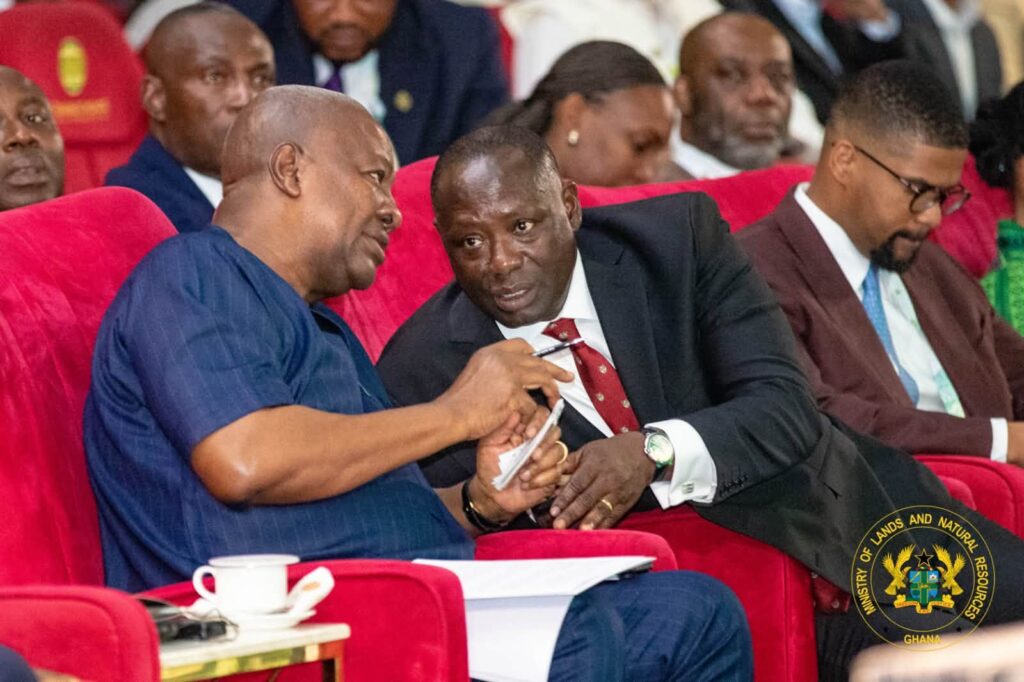
The initiative aligns with GoldBod’s broader environmental rehabilitation drive across forest reserves and mining belts, where state agencies have increasingly tied commercial mineral access to measurable ecological remediation.
The cooperation blueprint also incorporates direct social infrastructure investments across mining-affected districts, specifically targeting primary healthcare delivery, educational facilities, and potable water systems.
GoldBod reaffirmed its readiness to collaborate with Indian entrepreneurs and technical specialists to “develop local capacity, promote responsible sourcing and expand opportunities for value addition within the country,” positioning the partnership as a comprehensive model where foreign capital underwrites both industrial competitiveness and community resilience.
READ ALSO: World Bank Launches US$245m Bold Ghana Investment Push to Create Jobs